Zinc and Testosterone: The Essential Mineral UK Men Are Missing
Here’s a stat that should give every UK man pause. When healthy men were deliberately made zinc-deficient in a controlled study, their testosterone levels dropped by 75% in just six months. Not gradually, not marginally — three quarters of their testosterone, gone, through a single nutritional deficiency.
And here’s the uncomfortable follow-up: around 31% of UK men aren’t getting enough zinc from their diet. That’s nearly one in three men quietly running below the threshold that supports healthy testosterone production — often without any idea that a mineral they’re not getting enough of is part of the reason they feel the way they do.
This article explains exactly how zinc influences testosterone, what the research actually shows, who’s most at risk of deficiency in the UK, and how to correct it — without wasting money on supplements you don’t need.
What Zinc Actually Does for Testosterone
Zinc isn’t one of those nutrients with a loose, indirect association with testosterone. The relationship is direct, mechanistic, and well-documented across decades of research.
Zinc is an essential cofactor in the enzymatic reactions that produce testosterone in the Leydig cells of the testicles. Without adequate zinc, those reactions simply can’t run efficiently — the biological machinery for testosterone synthesis is impaired at the cellular level. Research shows zinc deficiency affects 17β-hydroxysteroid dehydrogenase, a vital enzyme that converts cholesterol into testosterone. Zinc also works as a cofactor for over 300 enzymes involved in cell metabolism that support Leydig cell health.
That’s not a peripheral role. That’s zinc sitting at the heart of the production process.
But zinc doesn’t only support testosterone synthesis. It also helps regulate the pituitary gland’s release of luteinizing hormone (LH) — the hormonal signal that tells the testicles to produce testosterone in the first place. Zinc deficiency disrupts LH signalling, which means the problem hits from two directions simultaneously: reduced production capacity and reduced hormonal instruction to produce.
There’s a third mechanism worth knowing about. Zinc inhibits aromatase — the enzyme that converts testosterone into oestrogen. In men with excess body fat, aromatase activity is already elevated. Zinc deficiency removes one of the body’s natural brakes on this conversion, accelerating the testosterone-to-oestrogen shift that drives hormonal imbalance.
What the Research Actually Shows
A 2023 systematic review published in the Journal of Trace Elements in Medicine and Biology analysed 38 studies — 8 clinical and 30 animal studies — and reached a clear conclusion: zinc deficiency reduces testosterone levels and zinc supplementation improves testosterone levels.
The most frequently cited human study dates to 1996, when researcher Prasad et al. examined elderly men with marginal zinc deficiency. When supplemented with zinc for six months, testosterone levels nearly doubled — increasing from 8.3 nmol/L to 16.0 nmol/L.
That’s a profound shift, moving men from the deficiency range to the lower end of the normal range through zinc alone.
A 2006 study looked at a more physically active population. Elite wrestlers who supplemented with zinc sulfate for four weeks showed significantly higher resting and post-exercise testosterone levels compared to baseline. Given that active men lose zinc through sweat, this finding has direct relevance for UK men who train regularly.
Here’s the critical nuance that most testosterone content gets wrong: zinc deficiency genuinely suppresses testosterone, and correcting a true deficiency can restore T to its normal baseline — but supplementing zinc when you’re already replete does essentially nothing to raise testosterone further.
This distinction matters enormously. Zinc isn’t a testosterone booster in the conventional marketing sense. It’s a deficiency corrector. If your zinc levels are already adequate, buying expensive zinc supplements is unlikely to move your testosterone at all.
But if you’re among the significant proportion of UK men who are genuinely deficient — and many are — correcting that deficiency is one of the most targeted, evidence-backed interventions available.
Why So Many UK Men Are Zinc Deficient
Zinc deficiency isn’t a dramatic clinical condition that announces itself with obvious symptoms. It’s a quiet, gradual shortfall — the kind that accumulates over months and years of eating a diet that simply doesn’t prioritise the foods richest in this mineral.
The UK diet is heavily weighted toward ultra-processed convenience foods, refined carbohydrates, and fast food — all of which are essentially zinc-free. The foods richest in zinc are oysters, red meat, shellfish, pumpkin seeds, and legumes. These are significantly underrepresented in the average British man’s weekly diet.
| Risk group | Risk level | Why they’re at risk | Symptoms to watch for | What to do |
|---|---|---|---|---|
| Men eating a typical UK diet (high UPF, low shellfish/meat) | High | Ultra-processed foods contain virtually no zinc; UK convenience diets are consistently zinc-poor | Low energy, reduced libido, slow wound healing, recurring colds | Add oysters monthly, increase beef/lamb, snack on pumpkin seeds daily |
| Men who train regularly (gym, sport, running) | High | Zinc is lost through sweat — a single intense session depletes levels noticeably; losses compound over time without dietary correction | Declining gym performance, slow recovery, reduced strength gains despite consistent training | Increase zinc-rich foods on training days; consider a 15–25mg zinc bisglycinate supplement |
| Men on plant-based or low-meat diets | High | Plant zinc sources contain phytates which reduce absorption by up to 50% — vegan and vegetarian men need significantly higher intake to absorb the same amount | Hair thinning, reduced immune response, low libido, fatigue | Soak legumes before cooking; eat fermented foods; supplement at 15–25mg zinc bisglycinate or citrate |
| Regular alcohol drinkers | Moderate | Alcohol reduces zinc absorption in the gut and increases urinary zinc excretion — a consistent cumulative drain even within NHS guidelines | Combination of low T symptoms alongside poor sleep and reduced recovery | Reduce alcohol intake; compensate with zinc-rich foods on drinking days; consider supplementing |
| Men over 50 | Moderate | Zinc absorption declines with age; older men often eat less overall — reducing total nutrient intake; 20% of UK men over 50 have low testosterone | Fatigue, reduced muscle mass, low mood, poor wound healing, increased infections | Prioritise zinc-dense foods; consider 15mg daily zinc supplement; request zinc and testosterone blood test via NHS GP |
| Men with type 2 diabetes or insulin resistance | Moderate | Impaired insulin function affects zinc metabolism; increased urinary zinc loss is common in men with diabetes | Overlapping symptoms with diabetes — fatigue, poor wound healing, reduced libido | Discuss zinc testing with GP alongside blood glucose management; prioritise dietary sources |
| Men taking certain medications (ACE inhibitors, diuretics, PPIs) | Moderate | Several common UK-prescribed medications increase zinc excretion or reduce absorption — including some blood pressure and acid reflux medications | Any combination of zinc deficiency symptoms alongside existing medical condition | Speak to your GP about zinc status if you’re on long-term medication that affects absorption |
Note: zinc deficiency is rarely dramatic — it typically presents as a cluster of subtle symptoms rather than one obvious sign. If several risk factors apply to you, getting your zinc and testosterone levels tested via your NHS GP or a private test is always the most reliable next step.
There are several specific groups at elevated risk of zinc deficiency in the UK:
Men who train regularly lose meaningful amounts of zinc through sweat. A single intense training session can deplete zinc levels noticeably, and if dietary intake isn’t compensating for these losses, a deficiency can develop even in otherwise healthy men who eat reasonably well.
This is particularly relevant for UK men who train hard but rely on protein shakes and convenience foods rather than zinc-rich whole foods.
Men eating a plant-based or low-meat diet face a specific challenge. Plant sources of zinc — including legumes, whole grains, and nuts — contain phytates, compounds that bind to zinc and significantly reduce its absorption.
A man eating a vegan or vegetarian diet needs considerably higher dietary zinc to absorb the same amount as someone eating meat and shellfish.
Zinc bioavailability from plant foods is roughly 50% lower than from animal sources.
Older UK men are at higher risk for two reasons: zinc absorption declines with age, and older men tend to eat less food overall, reducing total nutrient intake.
20% of UK men over 50 have low testosterone, yet only 1% get proper diagnosis and treatment — and undiagnosed zinc deficiency may be a contributing factor in more of these cases than is currently recognised.
Men who drink alcohol regularly should also pay attention. Alcohol both reduces zinc absorption in the gut and increases zinc excretion through the urine.
For UK men who drink consistently — even within NHS-recommended guidelines — this represents a meaningful cumulative drain on zinc status over time.
Recognising Zinc Deficiency: What to Watch For
Zinc deficiency rarely presents with a single obvious symptom. It tends to show up as a cluster of issues that are easy to dismiss individually but tell a clearer story together.
Symptoms associated with zinc deficiency include reduced libido, poor wound healing, recurring infections or a weakened immune response, hair thinning, reduced sense of taste or smell, and persistent fatigue.
In the context of testosterone, the most relevant presenting symptom is typically a combination of low energy, reduced sex drive, and declining gym performance — the classic low-testosterone symptom cluster.
The challenge is that these symptoms overlap significantly with other causes of low testosterone. Zinc deficiency alone doesn’t always lower testosterone enough to push men below the NHS clinical threshold.
But it can absolutely push borderline men further into symptomatic territory, or make an already-low testosterone situation meaningfully worse.
If you’re experiencing symptoms of low testosterone and your diet is low in zinc-rich foods, it’s worth addressing zinc as part of your overall approach — not instead of seeing your GP, but alongside it.
The Best Dietary Sources of Zinc for UK Men
Food-first is always the right starting point. The zinc in whole food sources comes packaged with other nutrients that support absorption, and consistent dietary intake is more sustainable than relying entirely on supplements.
| Food | Zinc per serving | Bioavailability | UK availability | Practical tip |
|---|---|---|---|---|
| Oysters (6 medium) | ~32mg | High | Most supermarkets, fishmongers, coastal markets | A few times per month is enough — fresh with lemon or smoked from jars. Single best zinc food available |
| Beef mince (100g cooked) | ~5.5mg | High | Every UK supermarket — affordable and widely available | Grass-fed where budget allows; bolognese, burgers, and cottage pie are easy weekly vehicles |
| Lamb (100g cooked) | ~4.5mg | High | All supermarkets — a traditional British staple | Lamb chops, mince, or shoulder are all excellent — a very underrated zinc source in UK diets |
| Crab (100g tinned) | ~5mg | High | Most supermarkets tinned — affordable and convenient | Tinned crab is one of the most cost-effective zinc sources available — mix into salads or on toast |
| Prawns (100g cooked) | ~1.5mg | High | All supermarkets fresh and frozen | Good zinc source in a lower-calorie package — frozen king prawns are excellent value |
| Pumpkin seeds (30g) | ~2.2mg | Medium | All supermarkets, Holland & Barrett, Amazon | Best plant-based daily zinc habit — add to porridge, yoghurt, or salads; also provides magnesium |
| Chickpeas (100g cooked) | ~1.5mg | Low–Medium* | All supermarkets tinned or dried | Soak dried chickpeas before cooking to reduce phytate content and improve zinc absorption |
| Cashew nuts (30g) | ~1.6mg | Medium | All supermarkets — affordable in bulk bags | Good snack option alongside pumpkin seeds — roasted unsalted are the healthiest choice |
| Cheddar cheese (30g) | ~1mg | Medium | Every UK supermarket — staple British food | A minor but consistent contributor to zinc intake — already part of most UK men’s diets |
| Whole eggs (2 large) | ~1.3mg | Medium | Every UK supermarket — excellent value | Modest zinc but contributes alongside vitamin D, healthy fats, and protein — an all-round hormonal food |
*Phytate content in plant foods reduces zinc bioavailability by up to 50% compared to animal sources. UK recommended daily intake for adult men: 9.5mg. Values are approximate and vary by cut, cooking method, and source.
Oysters are in a category of their own. They are rank high when it comes to testosterone boosting foods. A standard serving of six oysters provides around 32mg of zinc — more than three times the UK recommended daily intake of 9.5mg for adult men. You don’t need to eat them daily, but incorporating oysters a few times a month makes a meaningful contribution.
Beef and lamb are the most practical everyday sources for most UK men. A 100g serving of beef provides around 4–6mg of zinc depending on the cut, and it’s in a highly bioavailable form. Grass-fed varieties offer a marginally better micronutrient profile. Lamb — a traditional British staple — is comparable.
Shellfish more broadly — prawns, crab, mussels — are excellent zinc sources and widely available in UK supermarkets and fishmongers. Tinned crab in particular is an affordable, convenient option.
Pumpkin seeds are the standout plant-based source. A 30g daily serving provides around 2.2mg of zinc alongside magnesium and healthy fats — making them an easy, affordable daily habit. They work as a snack, a topping for porridge, or mixed into yoghurt.
Chickpeas, lentils, and beans contain zinc but with the phytate caveat mentioned above. Soaking legumes before cooking reduces phytate content and improves zinc bioavailability — a simple step worth building into food preparation habits.
Should You Supplement Zinc?
If your diet is genuinely low in zinc-rich foods, supplementation makes sense as a corrective measure. If your diet is already zinc-adequate, additional supplementation is unlikely to benefit your testosterone.
Zinc Intake Calculator
Tick the foods you eat regularly each week to estimate your daily zinc intake and what it means for your testosterone levels.
Animal sources
Plant & other sources
Est. daily zinc
0.0mg
UK RDA (men)
9.5mg
% of daily target
0%
Your estimated zinc status
Select foods above
Tick the foods you eat regularly each week to see your estimated zinc intake and what it means for your testosterone levels.
This calculator provides an estimate only based on typical serving sizes and average zinc content. Individual absorption varies. This is not medical advice — speak to your GP if you suspect a clinical zinc deficiency.
For UK men who do supplement, there are a few practical guidelines worth following:
The right form matters. Zinc bisglycinate and zinc citrate are significantly better absorbed than zinc oxide, which is the cheapest and most commonly used form in budget supplements. Always check the form on the label — not just the dose.
The dose matters too. The UK recommended intake for adult men is 9.5mg per day. Most clinically effective studies have used doses in the 15–30mg range. Doses above 40mg per day shouldn't be taken without medical guidance — excess zinc competes with copper absorption and can cause a secondary copper deficiency over time.
Timing matters slightly. Zinc is best absorbed on an empty stomach, but it can cause nausea in some people when taken without food. If that's an issue, taking it with a small amount of food is fine — just avoid taking it alongside calcium-rich foods or iron supplements, which can reduce absorption.
Getting tested before supplementing is always the best approach. A blood test for serum zinc can be requested through your GP, though it's worth noting that serum zinc doesn't perfectly reflect total body zinc status. If testing isn't accessible, assessing your dietary intake honestly is a reasonable proxy.
A Note on Natural Support: Testosil
Sponsored/affiliate content — does not constitute medical advice.
For men looking to address zinc deficiency as part of a broader natural testosterone approach, Testosil includes zinc in a clinically relevant dose alongside magnesium, vitamin D, and KSM-66 ashwagandha — the other micronutrients most commonly driving hormonal gaps in UK men.
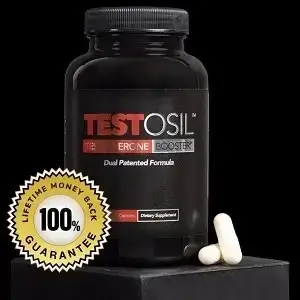
The combination matters. Zinc addresses production and aromatase inhibition. Magnesium supports free testosterone by competing with SHBG. Vitamin D works at receptor level. KSM-66 reduces cortisol — the competing hormone that suppresses testosterone regardless of micronutrient status.
For men dealing with both nutritional deficiencies and chronic stress, this multi-mechanism approach makes more sense than fixing one thing in isolation. That said, a zinc-rich diet alongside a supplement will always outperform a supplement alone.
Click here to find out more on Testosil, the best natural testosterone booster.
Disclosure: This section may contain affiliate links. We may earn a small commission at no extra cost to you.
Final Thoughts
Zinc isn't a magic bullet. But for UK men eating a typical diet heavy on processed food and light on shellfish, red meat, and seeds, it may be quietly suppressing testosterone in the background of whatever else is going on.
The evidence is clear: deficiency suppresses testosterone, and correcting deficiency restores it. The solution doesn't need to be complicated — more oysters, more beef, more pumpkin seeds, and a well-formulated supplement if dietary intake genuinely falls short.
If you're experiencing symptoms of low testosterone, always speak to your GP and get a blood test. But while you're waiting for that appointment — or while you're trying to move the needle naturally — zinc is one of the most evidence-backed dietary interventions available. Start there.

Tanveer Quraishi, author of Steroids 101 has extensive experience in the field of bodybuilding and has been writing online on various muscle-building and other health topics for many years now. He is not just interested in bodybuilding but is a great football player too. When he is not writing for his site or training at the gym, he loves to spend his time with this wife and kids.