How to Increase Testosterone Naturally in the UK: The Complete Evidence-Based Guide (2026)
Let’s be honest. The internet is full of testosterone advice that’s either watered-down common sense or outright nonsense dressed up in scientific language. “Eat more broccoli.” “Try ashwagandha.” “Cold showers.” Most of it skips the why, ignores the evidence, and rarely accounts for the very specific hormonal challenges facing men in the UK — the limited sunlight, the high rates of vitamin D deficiency, the processed food culture, the epidemic of poor sleep.

This guide is different. It’s built entirely on peer-reviewed research, UK-specific data, and clinical evidence — not marketing copy. Whether your levels are clinically low or you’re simply trying to optimise your hormonal health, everything in this article has a genuine scientific basis. And we’ll be straight with you when the evidence is mixed or inconclusive, too. No hype. Just what actually works.
A quick note before we start: if you suspect you have clinically low testosterone — persistent fatigue, low libido, mood changes, reduced muscle mass — please see your GP and get a blood test. Natural strategies can make a meaningful difference, but they’re not a substitute for proper diagnosis and medical treatment where it’s needed. With that said, let’s get into it.
Understanding Testosterone: What It Actually Does and Why It Declines
Before you can meaningfully raise your testosterone, it helps to understand what you’re working with.
Testosterone is a steroid hormone produced primarily in the testicles, with small amounts also made by the adrenal glands. It plays a role in muscle mass and strength, bone density, fat distribution, red blood cell production, mood and cognitive function, libido and sexual health, and energy levels. It’s not just a sex hormone. It’s a metabolic signal that influences almost every system in the male body.
When testosterone is adequate, men tend to feel driven, physically capable, mentally sharp, and resilient to stress. When testosterone is low, the body shifts into a conservation mode — muscle is harder to maintain, fat is easier to gain, recovery slows, motivation drops, and libido declines.
Testosterone levels peak in early adulthood and then decline at roughly 1% per year from the mid-30s onwards. That’s natural and expected. What isn’t natural or inevitable is the accelerating decline that many younger UK men are now experiencing — driven by poor diet, inactivity, disrupted sleep, chronic stress, and environmental factors that weren’t part of human life even a generation ago.
The good news: many natural factors can affect your testosterone, from what you eat and drink to your activity levels, and making simple changes to your daily routine may help bring your levels back to normal.
Understanding why levels drop is the foundation for fixing them effectively. Let’s work through every major lever you can pull.
| Strategy | Primary mechanism | Key research | Evidence rating | Important caveat |
|---|---|---|---|---|
| Resistance training | Stimulates anabolic hormone release; reduces visceral fat and aromatase activity | Multiple RCTs and meta-analyses consistently confirm short and long-term T increases | Strong | Effect strongest in sedentary or overweight men; already-active men see smaller gains |
| Sleep optimisation | Most T produced during REM and slow-wave sleep; poor sleep elevates cortisol overnight | Leproult & Van Cauter (2011): 1 week of 5hr sleep cut T by up to 15% | Strong | Sleep quality matters as much as duration — treating OSA often required for full benefit |
| Weight loss (visceral fat) | Reduces aromatase activity; improves insulin sensitivity and LH signalling | 5% weight loss = ~2 nmol/L T increase; 5–10 BMI point reduction linked to major T gains | Strong | Speed of loss matters — crash dieting temporarily raises cortisol and suppresses T |
| Vitamin D supplementation | Vitamin D receptors present in testicular tissue; directly involved in T synthesis | 2020 review: vitamin D supplementation increased T and improved erectile function | Good | Some 2023 studies show conflicting results; benefit clearest in deficient men (most UK men) |
| Zinc supplementation | Essential cofactor for testosterone synthesis and Leydig cell function | Multiple studies confirm T improvement in zinc-deficient men | Good | Benefit mainly in deficient men — excess zinc supplementation causes toxicity |
| Magnesium supplementation | Competes with SHBG to free bound testosterone; supports sleep quality | Studies show magnesium intake positively correlates with free T in men | Good | Dietary magnesium more consistent than supplemental; forms matter (glycinate > oxide) |
| Stress / cortisol reduction | Elevated cortisol directly suppresses HPG axis and T production | Consistent association between chronic stress markers and lower T in observational studies | Good | Hard to isolate in RCTs; effect size depends heavily on baseline stress levels |
| Ashwagandha (KSM-66) | Adaptogen — reduces cortisol; indirectly supports testosterone production | Several RCTs show meaningful T and LH improvements, particularly in stressed men | Moderate | Most studies in men with stress or subfertility; less clear for men with normal baseline T |
| Fenugreek extract | Inhibits aromatase and 5-alpha reductase; may preserve free testosterone | Several studies show modest improvements in free T and libido | Moderate | Study quality varies; some industry-funded trials; effect size tends to be modest |
| D-Aspartic Acid (DAA) | Stimulates LH release, which signals testicles to produce testosterone | Mixed results — effective in men with low T; minimal effect in those with normal levels | Mixed | Some studies show T increases of up to 42%; others show no effect or temporary benefit only |
| Boron | Reduces SHBG, increasing free testosterone availability | Small studies show reduced SHBG and increased free T within days of supplementation | Moderate | Research base is small; larger RCTs needed to confirm findings |
| Reducing endocrine disruptors | EDCs interfere with hormonal signalling at a cellular level; reduce T production | Epidemiological evidence links EDC exposure to lower T at population level | Emerging | Hard to measure individual impact; population-level data strong but personal benefit unclear |
| Cutting alcohol | Alcohol suppresses Leydig cells, raises aromatase activity, disrupts sleep | Consistent evidence from multiple study types; chronic heavy use causes near-permanent damage | Strong | Even moderate regular drinking has a measurable hormonal impact over time |
Evidence ratings: Strong = multiple RCTs and meta-analyses confirm effect. Good = consistent evidence with some limitations. Moderate = credible evidence but mixed or limited studies. Mixed = conflicting results across research. Emerging = plausible mechanism but insufficient large-scale RCT evidence. This table is for informational purposes only and does not constitute medical advice.
1. Resistance Training: The Single Most Powerful Natural Testosterone Tool
If you do nothing else from this guide, do this.
Resistance training, such as weightlifting, has been shown to boost testosterone levels in the short term. But the benefits go well beyond short-term spikes. Consistent resistance training over months and years raises baseline testosterone, improves body composition, reduces visceral fat, and improves insulin sensitivity — all of which create a hormonal environment that supports healthy testosterone production long-term.
“Strength training is one of the most effective ways to increase testosterone production,” says Nick Parkes, UK Weightlifting and Calisthenics Lead at Virgin Active. “When you lift heavy weights, your body experiences a temporary stress response which releases anabolic hormones, including testosterone. Over time, this leads to not just stronger muscles but also a boost in baseline testosterone levels.”
Based on published research including UK data showing highest T levels in men exercising 6–10 hrs/week. The overtrained zone reflects cortisol elevation from excessive training without adequate recovery. Values are illustrative averages.
What the research says about specific training styles:
Compound movements like squats, overhead presses, and deadlifts use a lot of energy and effort — all of which increase the production of testosterone. These multi-joint movements that recruit large muscle groups produce the strongest hormonal response of any exercise type. Isolation exercises like bicep curls simply don’t move the needle the same way.
High-intensity strength training workouts, especially those that push you close to your maximum effort, have been shown to elevate testosterone levels more than low-intensity or endurance-based exercises. That said, high-intensity interval training (HIIT) can be very effective as well, although all types of exercise should work to some extent.
Aerobic cardio exercise does not have the same powerful hormone response as heavy weightlifting. Running and cycling are excellent for cardiovascular health and should absolutely remain part of your routine — but if testosterone is the goal, resistance training needs to be the foundation.
Practical recommendations:
- Lift 3–4 times per week, prioritising compound movements (squats, deadlifts, bench press, rows, overhead press)
- Aim for moderate-to-heavy loads: 70–85% of your one-rep max in the 6–12 rep range
- Keep sessions to 45–75 minutes — very long sessions can temporarily spike cortisol
- Progressive overload is key: keep getting stronger over time
- Rest adequately between sessions — muscle repair is when testosterone does much of its work
2. Optimising Your Diet for Testosterone: What to Eat and What to Avoid
Food is the raw material for hormone production. Without the right building blocks, your body simply can’t make testosterone in optimal quantities — regardless of how hard you train or how well you sleep.
Healthy Fats Are Non-Negotiable
Testosterone is synthesised from cholesterol. That means dietary fat is not your enemy — it’s a prerequisite. Dietary fats — especially saturated and monounsaturated fats — appear to support higher testosterone levels compared to low-fat diets.
Olive oil, nuts, and fatty fish provide healthy fats for hormone production. Egg yolks, often demonised for their cholesterol content, are actually a powerful testosterone-supporting food. Yolks are rich in cholesterol, vitamin D, and healthy fats — all crucial building blocks for hormone synthesis. Modern research shows that dietary cholesterol is not the villain it was once thought to be.
Going very low-fat is actively counterproductive for testosterone. If your cholesterol is already healthy, going ultra-low-fat might actually backfire on your hormone levels.
Protein: Important but Don’t Overdo It
Adequate protein supports luteinizing hormone signalling and muscle maintenance. Aim for around 1.6–2.2g of protein per kilogram of body weight daily. Focus on quality sources: eggs, red meat, poultry, fish, dairy, and legumes.
One caveat: very high protein intake combined with very low carbohydrate intake (strict keto) has shown mixed results for testosterone in the research. Some men do very well on lower-carb approaches; others see a suppression of the hormonal response to training. Individual response varies, so pay attention to how you feel.
Foods That Boost vs Kill Testosterone
| Food / drink | Key nutrient(s) | How it affects testosterone | Effect |
|---|---|---|---|
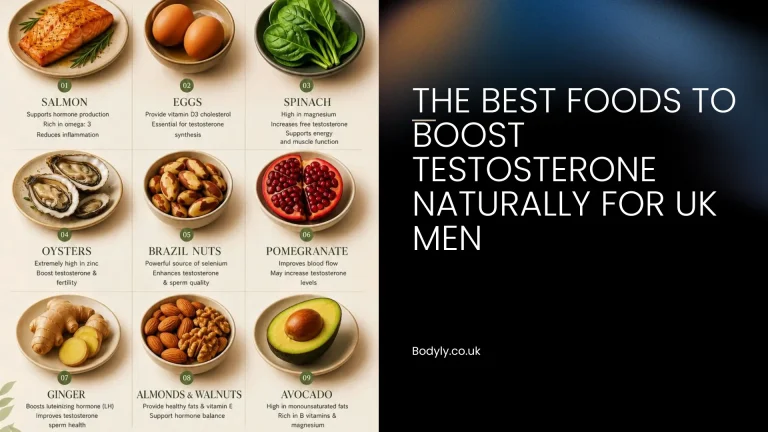
| Oysters | Zinc | Highest natural source of zinc — essential for testosterone synthesis and Leydig cell function | Boosts T |
| Eggs (whole) | Cholesterol, Vitamin D, healthy fats | Provides raw material for testosterone synthesis — cholesterol is the direct precursor to all steroid hormones | Boosts T |
| Salmon / mackerel / sardines | Vitamin D, omega-3, healthy fats | Top UK-available sources of vitamin D — critical given limited sunlight Oct–April; omega-3 reduces inflammation that suppresses T | Boosts T |
| Spinach / kale / Swiss chard | Magnesium | Magnesium competes with SHBG, freeing up bound testosterone and increasing free T levels in the bloodstream | Boosts T |
| Beef (grass-fed) | Zinc, protein, saturated fat | Provides zinc and healthy fats needed for hormone production; adequate saturated fat is linked to higher T in research | Boosts T |
| Pumpkin seeds | Zinc, magnesium, healthy fats | One of the best plant-based sources of both zinc and magnesium — excellent daily snack for hormone support | Boosts T |
| Broccoli / cauliflower / Brussels sprouts | Indole-3-carbinol, DIM | Helps the body metabolise and clear excess oestrogen, improving the testosterone-to-oestrogen ratio | Boosts T |
| Extra virgin olive oil | Monounsaturated fats, polyphenols | Studies show olive oil consumption associated with higher testosterone; polyphenols reduce oxidative stress on testicular tissue | Boosts T |
| Pomegranate | Antioxidants, polyphenols | One study showed daily pomegranate juice increased salivary testosterone by 24%; protects testicular tissue from oxidative damage | Boosts T |
| Brazil nuts | Selenium, healthy fats | Selenium supports testosterone production and sperm quality; 2–3 Brazil nuts daily provides the optimal selenium dose | Boosts T |
| Ultra-processed foods | Trans fats, refined carbs, additives | Drives insulin resistance, obesity, and inflammation — all of which suppress testosterone production and accelerate aromatase activity | Kills T |
| Refined sugar / white carbs | High glycaemic index | Insulin spikes directly lower testosterone — studies show measurable T drop within 75 minutes of high-sugar consumption | Kills T |
| Alcohol (regular / heavy) | Ethanol | Directly suppresses Leydig cell function; raises oestrogen via aromatase activation in the liver; disrupts sleep architecture | Kills T |
| Vegetable / seed oils | Omega-6 polyunsaturated fats | High omega-6 intake promotes inflammation and has been linked to lower testosterone in multiple observational studies | Kills T |
| Soy (excessive amounts) | Phytoestrogens (isoflavones) | In very large quantities, phytoestrogens may interfere with testosterone balance — moderate soy in a varied diet is unlikely to be an issue | Caution |
Note: no single food will dramatically alter testosterone levels in isolation. The overall dietary pattern matters most. These foods support or undermine the hormonal environment as part of a broader diet.
Key Foods for Testosterone in the UK
Here are the foods that pack the most hormone-friendly nutrients:
Zinc-rich foods: Oysters (the highest natural source of zinc), beef, shellfish, pumpkin seeds, and chickpeas. Zinc is essential for testosterone production — and zinc deficiency is strongly linked to reduced testosterone levels.
Magnesium-rich foods: Spinach, almonds, dark chocolate, whole grains (oats, brown rice), and avocados. Magnesium plays a direct role in testosterone production by influencing the bioavailability of free testosterone in the bloodstream.
Vitamin D-rich foods: Fatty fish (salmon, mackerel, sardines), egg yolks, and fortified dairy. In the UK, we can synthesise vitamin D from the sun only between May and August — for the rest of the year, dietary and supplemental sources become critical.
Cruciferous vegetables: Broccoli, cauliflower, Brussels sprouts, and kale contain compounds called indole-3-carbinol and DIM (diindolylmethane), which help the body metabolise excess oestrogen. These vegetables support antioxidant balance and hormone metabolism, helping keep the testosterone-to-oestrogen ratio in a healthier range.
Pomegranate and berries: Rich in antioxidants that protect testicular tissue from oxidative stress. Oxidative damage to testicular tissue directly reduces steroidogenic capacity — the body’s ability to manufacture testosterone.
What to Actively Avoid
Diets high in processed foods, trans fats, refined sugar, and excessive alcohol weaken testosterone production by causing inflammation, obesity, and insulin resistance.
Ultra-processed foods are particularly damaging. They drive insulin resistance, promote visceral fat accumulation, and are typically stripped of the zinc, magnesium, and vitamin D your body needs for hormone production. The average UK diet gets a significant proportion of calories from UPFs — reducing this is one of the highest-leverage dietary changes you can make.
Refined sugars and white carbohydrates spike insulin and have been shown to directly lower testosterone levels after consumption. This doesn’t mean avoiding carbohydrates entirely — whole food carbs like oats, sweet potatoes, and fruit are fine — but ultra-refined carbs are worth minimising.
Alcohol is a significant testosterone suppressor. It directly inhibits testosterone production in the Leydig cells of the testicles, elevates oestrogen levels in men, and disrupts the sleep architecture needed for overnight hormone synthesis. Even moderate, regular drinking has a measurable impact over time. Staying within UK guidelines of 14 units per week is the minimum — the less, the better for hormonal health.
Excessive soy in very large amounts contains phytoestrogens that may interfere with testosterone balance, though moderate consumption in a varied diet is unlikely to be an issue for most men.
3. Sleep: The Most Underrated Testosterone Strategy of All
Most men focus on training and diet when thinking about testosterone. Far fewer treat sleep with the same seriousness — and that’s a significant mistake.
The majority of daily testosterone production happens during sleep, specifically during REM and slow-wave sleep cycles. Testosterone levels peak in the early morning — which is precisely why NHS testosterone blood tests are always scheduled before midday.
The numbers are striking. Research has shown that just one week of sleeping five hours per night can lower daytime testosterone levels by up to 15%. That’s a clinically meaningful reduction — enough to push borderline levels into deficiency territory. And this isn’t a niche problem: a major UK survey of 15,000 people found that nearly 60% of adults are regularly sleeping six hours or less.
Waking early and during the second part of the night can reduce morning circulating testosterone levels. Even if you’re technically getting seven hours, disrupted sleep that interrupts the later REM cycles significantly blunts the hormonal benefits.
The cortisol connection:
Cortisol and testosterone operate in direct competition. Poor sleep keeps cortisol elevated overnight — precisely when it should be at its lowest — which actively suppresses testosterone production. This creates a double hit: less time for synthesis and a hormonal blocker running in parallel.
Poor sleep not only affects hormones, but can also cause you to crave sugar, eat unhealthier foods, and leave you more fatigued and without motivation — creating a cascade of secondary effects that further undermine hormonal health.
UK-specific sleep challenges:
The UK’s shift-work culture, long commutes, high-stress professional environment, and the endemic use of smartphones and screens at night all conspire against sleep quality. One of the most common causes of poor sleep is blue light, which emits from electronics such as TVs and smartphones. Making sure you have ways to relax and calm down before bed that don’t involve blue light can mean a better night’s sleep and improved testosterone production.
Sleep apnoea: Worth special mention. Evidence suggests a strong link between low testosterone and obstructive sleep apnoea (OSA). Sleep apnoea can be detrimental to getting restful, undisturbed sleep, which is very important for healthy testosterone production. OSA is significantly underdiagnosed in the UK. If you snore heavily, wake unrefreshed, or are frequently exhausted despite adequate sleep time, raise this with your GP. Treating OSA can have a substantial positive effect on testosterone levels.
Practical sleep strategies:
- Aim for 7–9 hours consistently — the NHS-recommended range for adults
- Keep a fixed bedtime and wake time, including weekends
- Avoid alcohol within 3 hours of bed — it disrupts REM sleep even if it helps you fall asleep
- Keep your room cool (16–18°C) and as dark as possible
- Avoid screens for 30–60 minutes before bed (NHS recommendation)
- Consider 200–400mg magnesium glycinate or citrate before bed — it supports both sleep quality and testosterone synthesis
4. Stress and Cortisol Management: Breaking the Hormonal Conflict
Chronic stress is one of the most consistent and powerful suppressors of testosterone — yet it’s also one of the least discussed in most natural testosterone guides.
Stress and high cortisol can also increase food intake, weight gain, and the storage of harmful body fat around your organs. These changes may negatively affect testosterone levels. The mechanism is direct: cortisol and testosterone are biosynthetically linked — elevated cortisol essentially tells the body to prioritise the stress response over reproductive and anabolic functions. It’s an evolutionary trade-off that made sense when stressors were acute and physical. It’s disastrous when the stressor is a permanently overloaded email inbox and financial anxiety.
For UK men navigating high-pressure careers, economic uncertainty, and the persistent mental health challenges that followed the pandemic years, cortisol levels are often chronically elevated. Over months and years, this sustained cortisol load takes a measurable toll on testosterone.
Evidence-based stress management strategies:
Exercise is the most evidence-backed cortisol reducer available — another reason resistance training is so valuable. It burns off the physiological stress response and, over time, reduces baseline cortisol reactivity.
Mindfulness and meditation have a meaningful body of evidence behind them for cortisol reduction. You don’t need to meditate for an hour — even 10–15 minutes of consistent daily practice has been shown to reduce cortisol over time.
Social connection is underrated as a hormonal intervention. Strong social bonds and a sense of belonging are associated with lower cortisol and, indirectly, healthier testosterone levels.
Time outdoors — particularly in natural settings — has been shown to reduce cortisol independently of exercise. For UK men, even a lunchtime walk in a park rather than eating at a desk can make a difference.
Digital boundaries matter. Constant notification checking and after-hours work emails maintain a chronic low-level stress response that keeps cortisol suppressed. Hard stops on work communications after a set time aren’t just good for wellbeing — they’re a legitimate hormonal strategy.
Staying active, getting plenty of sleep each night, and practising some stress-relieving techniques may all be beneficial for both optimal health and hormone levels.
5. Weight Management: Breaking the Fat-Testosterone Cycle
This is the area where lifestyle change delivers some of the most dramatic natural improvements in testosterone — and it works bidirectionally.
Excess body fat — particularly visceral abdominal fat — contains high levels of aromatase, an enzyme that converts testosterone into oestrogen. The more visceral fat you carry, the more testosterone gets converted, and the lower your levels fall. This triggers further fat accumulation, which further suppresses testosterone. It’s a self-reinforcing cycle that can be very difficult to break without understanding the hormonal mechanism behind it.
You need not lose huge amounts of weight to see a bump in testosterone levels: a 5% loss in weight can increase total testosterone by 2 nmol/L. That’s a clinically significant improvement from a relatively modest weight loss — and it improves further with continued progress.
For UK men, the scale of the problem is significant. Rates of overweight and obesity in England are among the highest in Europe, and the hormonal consequences of this at a population level are profound. Many men who feel the symptoms of low testosterone are, in fact, experiencing the hormonal consequence of excess visceral fat rather than a primary hormonal problem.
The practical approach:
Calorie deficit through a combination of whole food dietary changes and increased physical activity is the most evidence-supported approach. Crash dieting is counterproductive — severe caloric restriction temporarily suppresses testosterone and increases cortisol. Slow, steady fat loss of 0.5–1kg per week, achieved through sustainable changes, is the target.
Resistance training is particularly powerful here because it simultaneously burns fat and builds muscle — creating two testosterone-supporting effects at once. The more lean muscle mass you carry, the higher your resting metabolism and the better your insulin sensitivity, both of which support healthy testosterone levels long-term.
6. Vitamin D: The UK’s Most Critical Testosterone Nutrient
If there’s one supplement that almost every UK man should seriously consider for testosterone, it’s vitamin D. And the reason is specific to living in the UK.
Based on published UK population vitamin D data. Sufficient = ≥50 nmol/L. Insufficient = 25–49 nmol/L. Deficient = <25 nmol/L. The NHS recommends vitamin D supplementation for all UK adults from October through to March at minimum.
In the UK, we can synthesise vitamin D from the sun only between May and August. In autumn and winter months, this needs to be supplemented with vitamin D tablets, usually between 400–1,000 IU. The reality is that many UK men are running on significantly depleted vitamin D levels for six or more months of the year — and this has direct hormonal consequences.
Low vitamin D levels may be linked to lower testosterone levels. A 2020 review found that taking a vitamin D supplement increased testosterone levels and improved erectile dysfunction. Vitamin D receptors are found throughout the body, including in testicular tissue — which means it’s directly involved in testosterone synthesis, not just general health.
Your body needs sunlight to produce vitamin D naturally. In the northern hemisphere, it can be hard to get enough sunlight to get the right level of vitamin D. The UK government recommends that adults take a vitamin D supplement in autumn and winter.
Practical vitamin D guidance for UK men:
- Get tested via your GP or a private test — knowing your baseline matters
- Most UK men benefit from 1,000–2,000 IU of vitamin D3 daily, though those with confirmed deficiency may need higher doses under medical supervision
- Take vitamin D3 (not D2) alongside vitamin K2 and with a fatty meal for optimal absorption
- Between May and August, aim for 15–30 minutes of midday sunlight on arms and legs without sunscreen — this is when UK sunlight is strong enough to trigger synthesis
- Dietary sources include fatty fish (salmon, mackerel, sardines), egg yolks, and fortified dairy products
7. Zinc and Magnesium: The Two Minerals Most UK Men Are Deficient In
After vitamin D, zinc and magnesium are the two micronutrients most consistently linked to testosterone in the research — and both are commonly deficient in UK men’s diets.
Zinc
Zinc is an essential mineral for testosterone synthesis, and zinc deficiency is strongly linked to reduced testosterone levels. Supplementing with zinc can help restore balance, especially for athletes or those with dietary restrictions.
Studies have shown that taking zinc may improve the amount of testosterone your body produces if you are zinc deficient. The key phrase there is “zinc deficient” — if your levels are already adequate, supplementing further is unlikely to raise testosterone meaningfully. But given how many UK men eat a diet heavy in processed foods and low in oysters, red meat, and pumpkin seeds, deficiency is more common than most assume.
Best dietary sources: oysters (by far the highest), shellfish, beef, pumpkin seeds, chickpeas, and cashews. Supplement dose if needed: 15–30mg zinc daily, ideally as zinc bisglycinate or citrate for better absorption. Avoid taking zinc on an empty stomach.
Magnesium
Magnesium plays a role in hundreds of enzymatic reactions in the body, including those involved in testosterone production. It also supports muscle recovery and energy metabolism.
Magnesium plays a direct role in testosterone production by influencing the bioavailability of free testosterone in the bloodstream. Specifically, magnesium competes with sex hormone-binding globulin (SHBG), which binds testosterone and makes it unavailable for use. Higher magnesium levels mean more free testosterone — the portion that actually does the work in your body.
Best dietary sources: spinach, almonds, dark chocolate, avocados, whole grains, and black beans. Supplement dose if needed: 200–400mg magnesium glycinate or citrate before bed — this form also supports sleep quality, giving it a dual benefit.
8. Other Evidence-Backed Supplements Worth Knowing About
Beyond vitamin D, zinc, and magnesium — the three with the strongest evidence base — a handful of other supplements have credible research behind them.
Ashwagandha (KSM-66)
This is probably the most researched natural ingredient for testosterone support in recent years. Ashwagandha may help reduce stress and cortisol levels, indirectly supporting testosterone production and overall wellness.
The primary mechanism is cortisol reduction — ashwagandha is an adaptogen that helps regulate the stress response. By lowering chronic cortisol, it removes one of the main hormonal blockers of testosterone production. Several randomised controlled trials have shown meaningful improvements in testosterone, particularly in men under chronic stress. KSM-66 is the most bioavailable and well-studied form.
Typical dose: 300–600mg of KSM-66 ashwagandha extract daily.
D-Aspartic Acid (DAA)
D-aspartic acid is an amino acid believed to stimulate the release of hormones involved in testosterone production. It works by stimulating the release of luteinizing hormone (LH), which signals the testicles to produce testosterone. Results in the research are mixed — it appears most effective in men with lower baseline testosterone and less so in men with already-healthy levels.
Fenugreek
Fenugreek is a plant extract that may help support healthy testosterone levels and improve libido. Several studies have shown modest but meaningful improvements in free testosterone, partly by inhibiting the enzymes that convert testosterone to oestrogen and DHT. The evidence is credible enough to be worth considering as part of a comprehensive supplement stack.
Boron
This trace mineral can influence the metabolism of testosterone and is sometimes included in advanced supplement blends to boost bioavailable testosterone. Research suggests boron reduces SHBG levels, freeing up more testosterone for the body to use. Typical dose is 3–6mg daily.
A Note on Supplement Honesty
Only a few supplements have been shown to benefit testosterone production. Among those, the evidence mostly supports vitamin D and zinc, followed by magnesium.
The supplement market is full of products making extravagant claims. Always look for supplements with transparent ingredient labelling, clinically studied forms of each ingredient (e.g. KSM-66 for ashwagandha, not just “ashwagandha extract”), and doses that match what was used in the research. And remember: the best outcomes are achieved by combining evidence-based supplementation with healthy lifestyle habits, regular exercise, and a balanced diet.
9. Reducing Exposure to Endocrine-Disrupting Chemicals
This section doesn’t get discussed enough — but the evidence is increasingly compelling.
Endocrine-disrupting chemicals (EDCs) are synthetic compounds found in plastics, food packaging, personal care products, pesticides, and household items. They interfere with the body’s hormonal system at a fundamental level, and long-term exposure is thought to be one contributing factor to the generational decline in average testosterone levels observed across Western populations.
The most relevant EDCs for testosterone include BPA (bisphenol A, found in many plastics), phthalates (found in food packaging, cosmetics, and fragrances), and atrazine (a herbicide used in agriculture).
Practical steps to reduce exposure:
- Avoid heating food in plastic containers — heat accelerates chemical leaching
- Switch to glass, ceramic, or stainless steel food and drink containers where possible
- Choose fragrance-free personal care products where practical
- Eat organic produce for the highest-pesticide crops where budget allows (strawberries, apples, spinach, and peppers tend to have the highest pesticide residues)
- Filter your tap water — UK tap water is generally excellent, but filtering further reduces trace chemical exposure
- Avoid non-stick cookware that is scratched or damaged (PFAS chemicals)
Complete elimination is impossible in modern life. But reducing your overall EDC burden is a legitimate and underappreciated component of a comprehensive natural testosterone strategy.
10. Limiting Alcohol and Avoiding Recreational Drugs
We covered alcohol briefly in the diet section, but it deserves its own discussion given how culturally embedded drinking is in UK life.
Alcohol directly suppresses testosterone production by impairing the function of Leydig cells in the testicles — the cells responsible for testosterone synthesis. It also raises oestrogen levels by activating aromatase activity in the liver, elevates cortisol, and significantly disrupts the sleep architecture required for overnight testosterone production. Heavy, chronic drinking can have a semi-permanent impact on testicular function that doesn’t fully reverse even with abstinence.
Even within UK drinking norms — regular Friday and Saturday nights out, or a few beers after work during the week — the cumulative hormonal impact is meaningful. This isn’t about becoming teetotal, but being honest about the cost.
Cannabis: Regular cannabis use has been associated in multiple studies with lower testosterone and reduced sperm quality. The research isn’t definitive, but the weight of evidence suggests frequent use is not compatible with optimal testosterone levels.
Anabolic steroids: A word of caution. Using anabolic steroids — even once, even briefly — can cause long-lasting suppression of the hypothalamic-pituitary-gonadal (HPG) axis, the hormonal feedback loop that controls natural testosterone production. Some men experience suppression that persists for years after stopping. This is a serious and underappreciated risk that deserves prominent mention in any comprehensive testosterone guide.
11. Social Behaviour, Sunlight, and Lifestyle Factors Often Overlooked
Testosterone is responsive to more than just the big four pillars of diet, exercise, sleep, and stress. A few additional lifestyle factors have meaningful evidence behind them.
Sunlight exposure: Beyond vitamin D synthesis, sunlight exposure has been independently linked to higher testosterone through its effect on nitric oxide production and circadian rhythm regulation. Getting outside regularly — particularly in the morning — supports the natural hormonal clock.
Competitive behaviour and goal setting: Research consistently shows that testosterone rises in response to competition, achievement, and the pursuit of meaningful goals. Men who engage in purposeful activity — sport, creative endeavour, career progression — tend to have higher testosterone than those living a passive, sedentary existence. This is almost certainly bidirectional — higher T drives goal-seeking behaviour, and goal-seeking behaviour supports T — but it’s worth factoring in.
Social connection and relationships: Isolation and loneliness are associated with elevated cortisol and lower testosterone. Strong social bonds, particularly those involving physical presence rather than purely digital connection, appear to support the hormonal environment associated with healthy testosterone.
Sexual activity: There is evidence that regular sexual activity helps maintain testosterone levels, partly through direct stimulation and partly through the broader hormonal environment that healthy intimate relationships create.
12. When Natural Strategies Aren’t Enough: Knowing When to See Your GP
This guide is comprehensive, and the natural strategies within it are genuinely evidence-backed. But it’s important to be clear about their limits.
Natural lifestyle optimisation can meaningfully raise testosterone — particularly in men whose levels have dropped due to poor lifestyle habits, weight gain, sleep deprivation, or nutritional deficiencies. For these men, the improvements from a comprehensive lifestyle overhaul can be substantial.
However, for men with clinically confirmed testosterone deficiency — particularly those with levels below 8 nmol/L alongside symptomatic hypogonadism — lifestyle changes alone are unlikely to be sufficient. The NHS offers testosterone replacement therapy (TRT) for men who meet the clinical criteria, and for these men, delaying proper treatment in favour of natural strategies alone is not in their best interests.
Signs that warrant a GP appointment regardless of lifestyle:
- Persistent fatigue, low mood, or brain fog that doesn’t respond to lifestyle improvement
- Libido that has significantly and persistently declined
- Erectile dysfunction, particularly in men under 50
- Significant muscle loss or inability to build muscle despite consistent training
- Unexplained weight gain, particularly around the abdomen
- Any combination of the above lasting more than three months
Getting a testosterone blood test on the NHS is straightforward. Ask your GP for a morning blood test (before 11am) measuring total testosterone. Two tests on separate occasions are typically required to confirm a result. Know that the NHS threshold for deficiency is below 8 nmol/L, with a grey zone between 8–12 nmol/L where treatment is less automatic but symptoms should still be taken seriously.
Private testing is also available if NHS access proves slow or difficult, and tends to include a broader panel — total testosterone, free testosterone, LH, FSH, SHBG, and sometimes oestradiol — giving a much more complete picture of your hormonal health.
Bringing It All Together: A Practical Framework for UK Men
Natural testosterone optimisation isn’t about picking one strategy and hoping for the best. It’s a compound effect — multiple evidence-based changes, applied consistently, that work synergistically to support healthy hormone production.
| Strategy | T impact | Time to see results | Difficulty | Priority |
|---|---|---|---|---|
| Resistance training (3–4x/week) | High | 4–12 weeks for baseline shift | Moderate | Do first |
| Fix sleep (7–9 hrs consistently) | High | Days to 1 week | Moderate | Do first |
| Lose excess visceral fat | High | Weeks to months | Hard | Do first |
| Vitamin D3 supplementation | High | 4–8 weeks | Easy | Do first |
| Dietary overhaul (whole foods, healthy fats) | Medium | 4–12 weeks | Moderate | Second tier |
| Chronic stress management | Medium | 2–8 weeks | Hard | Second tier |
| Zinc supplementation (if deficient) | Medium | 4–8 weeks | Easy | Second tier |
| Magnesium supplementation | Medium | 2–6 weeks | Easy | Second tier |
| Ashwagandha KSM-66 | Medium | 4–8 weeks | Easy | Second tier |
| Cut alcohol significantly | Medium | 2–4 weeks | Hard | Second tier |
| Reduce endocrine disruptor exposure | Low–Medium | Months (cumulative) | Moderate | Additional |
| Outdoor sunlight exposure | Low–Medium | Weeks | Easy | Additional |
| Social connection & goal-setting | Low–Medium | Months | Moderate | Additional |
Note: all strategies compound over time and work synergistically. “Do first” doesn’t mean others are unimportant — it reflects where the highest-leverage gains come from earliest in the process.
Here’s how to think about prioritisation:
Foundation (highest impact, do these first):
- Begin a consistent resistance training programme — 3–4 sessions per week, compound movements, progressive overload
- Fix your sleep — 7–9 hours, consistent schedule, alcohol and screens out before bed
- Lose excess visceral fat — even a 5% weight reduction has a measurable hormonal effect
- Start vitamin D3 supplementation — especially from September to April
Second tier (meaningful impact once the foundation is solid): 5. Optimise your diet — more healthy fats, zinc and magnesium-rich whole foods, less processed food and alcohol 6. Address chronic stress — exercise, mindfulness, digital boundaries, outdoor time 7. Add magnesium and zinc if dietary intake is poor 8. Consider ashwagandha (KSM-66) if cortisol and stress are a significant factor
Additional layers: 9. Reduce EDC exposure where practical 10. Moderate alcohol and avoid recreational drugs 11. Get outdoors regularly, maintain social connections, pursue meaningful goals
Always:
- Get tested if symptoms persist — don’t self-diagnose or assume lifestyle changes alone are the answer
- Be realistic about timelines — meaningful change in testosterone takes weeks to months, not days
- Work with your GP if you suspect clinical deficiency
Expected improvement in your testosterone levels with various strategies
Estimates based on published clinical research. Values represent upper-end improvements seen in deficient or sedentary men. Effects are cumulative — strategies work best in combination.
A Note on Natural Support: Testosil
Sponsored/affiliate content — does not constitute medical advice.
For men working through this guide and looking for a well-formulated supplement to complement their lifestyle efforts, Testosil is one that deserves a mention — and for reasons that align directly with the evidence covered in this article.
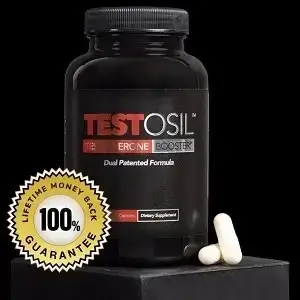
Rather than being a scatter-shot list of loosely related herbs, Testosil’s formula is built around the ingredients with the strongest research backing for natural testosterone support. KSM-66 ashwagandha is the headline ingredient — the most bioavailable and clinically studied form of ashwagandha, with multiple RCTs showing its ability to reduce cortisol and support healthy testosterone levels. This is the cortisol-testosterone connection we spent an entire section on above.
Alongside KSM-66, the formula includes D-aspartic acid, fenugreek extract, zinc, magnesium, and vitamin D — all of which appear in the evidence sections of this guide for good reason. It’s the kind of formulation that, at minimum, addresses several of the most common nutritional gaps in UK men’s diets simultaneously.
To be completely clear: Testosil is a complement to the lifestyle strategies in this guide, not a replacement for them. It will work hardest for men who are also sleeping properly, training consistently, managing their weight, and eating a diet that supports hormone production. Used as part of a broader approach rather than a standalone shortcut, it represents one of the more credible supplement options in a market full of overpromising products.
As always, check with your GP before starting any new supplement, particularly if you are on prescribed medication. Click here to read my unbiased Testosil review.
Disclosure: This section may contain affiliate links. We may earn a small commission at no extra cost to you.
Final Thoughts
Raising testosterone naturally isn’t complicated — but it does require consistency, honesty about your current habits, and a realistic understanding of what’s achievable without medical intervention.
The men who see the biggest improvements are rarely the ones who find the most exotic supplement or the perfect biohacking protocol. They’re the ones who sleep eight hours, lift heavy three times a week, lose the excess body fat, cut back on alcohol, and eat real food consistently for six months. The fundamentals, applied seriously, are more powerful than most men realise.
If you’re doing all of that and still feeling the symptoms of low testosterone — go and see your GP. Get tested. You deserve an answer, and there’s no reason to suffer in silence when effective medical treatment exists.
Start with the basics. Be consistent. Get tested if in doubt. And give it time.

Tanveer Quraishi, author of Steroids 101 has extensive experience in the field of bodybuilding and has been writing online on various muscle-building and other health topics for many years now. He is not just interested in bodybuilding but is a great football player too. When he is not writing for his site or training at the gym, he loves to spend his time with this wife and kids.