How to Tone Up and Get Lean After 40: The Complete UK Guide for Women (2026)
Here’s a stat that might surprise you: women can lose up to 8% of their muscle mass per decade after 40 — yet research shows we can rebuild strength at any age. Any age!
I’ve watched women in their 50s become stronger and leaner than they were at 30. And no, they weren’t genetic freaks or fitness influencers with personal chefs.
If you’ve noticed that what worked in your twenties simply doesn’t cut it anymore, you’re not imagining things. Perimenopause, shifting hormones, a slowing metabolism and a diary that never seems to empty — it all changes the game.
But here’s the good news. Getting lean and toned after 40 isn’t about punishing workouts or living on cucumber slices.
It’s about training smarter, eating strategically, and working with your body rather than against it. Let’s get into it.
Why Getting Lean After 40 Is Different (And Why That’s Okay)
Let’s start with the elephant in the room: sarcopenia. It’s the medical term for age-related muscle loss, and it quietly kicks in from our mid-thirties onwards.
Less muscle means a slower metabolism, softer arms, and jeans that fit differently even when the scales haven’t budged. Frustrating? Absolutely.
Then there’s oestrogen. As levels decline through perimenopause and menopause, our bodies start storing fat differently — less on the hips, more around the middle.
That “middle-age spread” everyone jokes about isn’t a myth, but it’s also not inevitable. It’s largely visceral fat, and it responds brilliantly to the right kind of training and eating.
Now, about your metabolism. You’ve probably heard it “breaks” at 40, but recent research tells a different story.
Metabolism stays surprisingly stable through midlife — what actually changes is muscle mass and daily movement. Fix those two things and you’ve fixed most of the problem.
So here’s the mindset shift I want you to make. Forget chasing a number on the scales.
Your real goal is body recomposition — losing fat while building (or at least keeping) muscle. That’s what creates the lean, toned look, and it’s absolutely achievable after 40.
Strength Training: The Number One Priority for Toning Up Over 40
If you take one thing from this entire guide, make it this: lift weights. Not hours of cardio, not another spin class — weights.
Muscle is what gives your body shape and “tone”. Cardio burns calories while you’re doing it, but muscle raises your metabolism around the clock.
How often? Aim for two to four resistance sessions a week.
Even two consistent sessions will transform how you look and feel within a few months. Consistency beats intensity every single time.
Focus on compound movements — exercises that work several muscles at once. Think squats, deadlifts, rows, presses and lunges.
These give you the biggest return on your time, which matters when you’re juggling work, family and everything else. Twenty focused minutes beats an aimless hour.
The secret sauce is progressive overload. It sounds technical, but it simply means doing a little more over time.
An extra rep this week, a slightly heavier dumbbell next month. That gradual challenge is what tells your muscles to grow.
Don’t fancy the gym? No problem.
A set of adjustable dumbbells, some resistance bands or a kettlebell in your living room will do the job beautifully. Plenty of UK women get fantastic results training entirely at home.
And please, let’s bury the “bulky” myth once and for all. Women simply don’t produce enough testosterone to accidentally build big muscles.
What you’ll actually build is a firmer, leaner shape — plus stronger bones. That last bit matters enormously, because post-menopausal women in the UK face a real risk of osteoporosis, and lifting weights is one of the best defences we have.
Cardio That Works With Your Hormones, Not Against Them
Right, let’s talk cardio — because most women over 40 are doing too much of the wrong kind. Endless high-intensity classes can leave you exhausted, ravenous and swimming in cortisol.
The unsung hero of fat loss? Walking.
Aim for 8,000 to 10,000 steps a day and you’ll dramatically increase what scientists call NEAT — non-exercise activity thermogenesis. It’s all the calories you burn just moving through life, and it adds up to far more than a workout does.
Next up is Zone 2 cardio. This is steady, comfortable exercise where you can still hold a conversation — think brisk walking, easy cycling or a gentle swim.
It builds your aerobic base and burns fat without stressing your system. For midlife women, it’s gold.
What about HIIT? It still has a place, just a smaller one.
One or two short sessions a week is plenty, with proper recovery in between. Your joints and your hormones will thank you.
Here’s the counterintuitive bit: too much cardio can actually backfire after 40. Excessive training spikes cortisol, and chronically high cortisol encourages your body to hold onto belly fat and burn through muscle.
More is not better. Better is better.
The UK is honestly spoilt for hormone-friendly cardio options. Rambling through the countryside, lane swimming at your local leisure centre, cycling, or a Saturday morning parkrun — free, sociable and brilliant for your fitness.
Nutrition for Fat Loss and Muscle Tone After 40
You can’t out-train a poor diet — you’ve heard it before, and after 40 it’s truer than ever. But “diet” doesn’t mean deprivation.
Protein is your new best friend. Aim for roughly 1.6 to 2.2 grams per kilogram of body weight daily.
For a 70kg woman, that’s around 110 to 150 grams — more than most of us currently eat. Protein preserves muscle, keeps you full, and even burns more calories during digestion.
The good news is that UK supermarkets make this easy. Eggs, Greek yoghurt, chicken, lean beef, tinned fish, prawns, lentils, beans and tofu are all affordable staples.
Your daily protein target at a glance:
Best UK protein sources (and what they actually deliver):
Try to get a palm-sized portion of protein at every meal. Breakfast is where most women fall short, so start there.
To lose fat, you do need a calorie deficit — but a modest one. Around 300 to 500 calories below maintenance is the sweet spot.
Slash any lower and your body fights back with hunger, fatigue and muscle loss. Crash diets are the fastest route to yo-yo weight gain, especially in midlife.
Don’t forget fibre either. Vegetables, oats, berries and wholegrains keep your gut happy and your blood sugar steady — which means fewer 4pm biscuit raids.
Now, an honest word about wine o’clock. Nobody’s saying never, but alcohol is calorie-dense, disrupts sleep and lowers inhibitions around food.
Cutting back from nightly to weekends-only is often the single biggest change my clients make. The results speak for themselves.
A sample day might look like this: Greek yoghurt with berries and seeds for breakfast, a chicken and avocado salad with wholegrain bread at lunch, an apple with peanut butter mid-afternoon, and salmon with roasted vegetables and new potatoes for dinner. Simple, filling, and nothing weird.
Hormones, Menopause and Body Composition
Perimenopause can start in your early forties, sometimes earlier. As oestrogen and progesterone fluctuate, you might notice fat settling around your middle, disturbed sleep, and workouts that suddenly feel harder.
None of this means your body is broken. It means the rules have changed, and you need a new playbook.
During perimenopause, prioritise strength training and protein while dialling back excessive high-intensity work. Post-menopause, lifting becomes even more important for protecting bone density and muscle mass.
Recovery needs more respect now too. The days of training hard on five hours’ sleep are behind us — and honestly, good riddance.
You may be wondering about HRT. Current NHS guidance recognises it as an effective treatment for menopause symptoms, and some women find it helps with sleep, energy and therefore their training.
It’s a personal medical decision, though, not a fitness hack. Speak to your GP about whether it’s right for you.
And if symptoms like fatigue, joint pain or hot flushes are derailing your workouts, adjust rather than quit. Swap HIIT for swimming during a rough week, or trade an evening session for a morning one if night sweats are wrecking your sleep.
If symptoms are significantly affecting your quality of life, please do book that GP appointment. You don’t have to white-knuckle your way through this.
Sleep, Stress and Recovery: The Missing Pieces
Here’s something the fitness industry doesn’t shout about enough: you don’t get fitter during workouts. You get fitter recovering from them.
Poor sleep is a fat-loss saboteur. Even one bad night raises hunger hormones and cravings, while chronically short sleep makes your body cling to fat and burn muscle instead.
Aim for seven to nine hours. Yes, really.
Stress works against you in a similar way. Constant cortisol — from work, caring responsibilities, or life admin that never ends — is strongly linked to stubborn belly fat.
Ten minutes of walking, journalling or simply sitting with a cuppa in silence genuinely counts as training your body to relax. It’s not indulgent; it’s strategic.
For better sleep, keep your bedroom cool (a lifesaver if night sweats are an issue), ditch screens an hour before bed, and keep caffeine to mornings only. Small tweaks, big payoff.
Build proper rest days into your week too. And every six to eight weeks, take a lighter “deload” week where you reduce the intensity.
Finally, don’t skip mobility work. Five to ten minutes of stretching or gentle yoga keeps joints happy and injuries away — because nothing derails progress like six weeks on the sofa with a pulled back.
A Sample Weekly Workout Plan for Women Over 40
Let me show you what a realistic week actually looks like. No two-hour gym marathons, I promise.
Complete beginner? Start with just two strength sessions and daily walks.
More experienced? Add that third lifting day and push your weights up gradually.
Each strength session can follow a simple 30-minute structure: five minutes warming up, twenty minutes lifting, five minutes stretching. Done and dusted before the school run.
Listen to your body during rough menopause weeks. Swap intensity for movement — a walk instead of HIIT still moves you forward.
And you don’t need expensive memberships. The free NHS Couch to 5K app, your local leisure centre, and countless online programmes make this accessible on any budget.
Common Mistakes to Avoid When Toning Up After 40
Let me save you months of frustration by flagging the traps I see constantly.
Mistake one: all cardio, no weights. Hours of cardio without resistance training burns muscle along with fat, leaving you “skinny fat” rather than toned. Flip the ratio — weights first, cardio second.
Mistake two: eating like a bird. Under-eating protein and slashing calories feels virtuous but backfires spectacularly. Your body downshifts, hunger skyrockets, and the weight returns with interest.
Mistake three: worshipping the scales. The number can stay identical while your body completely transforms, because muscle is denser than fat. Track waist measurements, progress photos and how your clothes fit instead.
Mistake four: programme-hopping. Three weeks of one plan, then jumping to whatever’s trending on Instagram gets you nowhere. Pick something sensible and give it twelve honest weeks.
Mistake five: ignoring recovery. Skimping on sleep and rest days while training hard is a recipe for burnout and injury. Recovery is part of the programme, not a break from it.
Mistake six: comparing yourself to your 25-year-old self. Or worse, to influencers half your age with filters and photographers. Your only competition is who you were last month.
How Long Does It Take to See Results?
The honest answer? Faster than you fear, slower than Instagram promises.
Realistic results timeline:
Within four to six weeks, you’ll notice better energy, improved sleep and strength gains — suddenly the shopping bags feel lighter. These early wins matter, so celebrate them.
Visible changes to your shape typically take eight to twelve weeks of consistency. By six months, expect comments from people who haven’t seen you in a while.
And if you smash your initial goals and fancy taking things to the next level, we’ve written a complete guide on how to get shredded after 40. Fair warning: it’s addictive!
Body recomposition is slower than crash dieting, and that’s precisely why it works. You’re building something permanent, not renting a smaller dress size for a fortnight.
Track more than the scales: monthly waist and hip measurements, progress photos in the same outfit and lighting, and a training log showing your lifts creeping up.
One last tip — set process goals, not just outcome goals. “Three workouts a week” is within your control; “lose a stone by summer” isn’t entirely.
Nail the process and the outcomes take care of themselves. Every time.
Can Supplements Help? An Honest Look
Let’s be clear upfront: no pill replaces strength training, protein and sleep. Anyone telling you otherwise is selling snake oil.
That said, some women like to use a fat burner as a supporting act once the fundamentals are in place. The better ones typically combine caffeine, green tea extract, glucomannan (a fibre that supports fullness) and thermogenic ingredients like cayenne.
If you’re curious about which options suit women in the UK, we’ve put together a detailed breakdown in our guide to the best fat burners in the UK for women. It covers ingredients, evidence and value for money.
Here’s a quick look at the most popular options:
🏆 Top Fat Burners for Women Over 40 — UK Picks
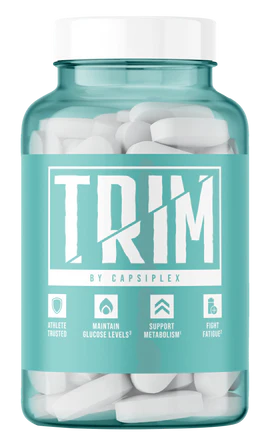
Capsiplex Trim
Capsimax cayenne complex and caffeine to support workouts and thermogenesis.
Read Full Review →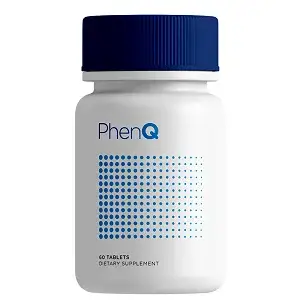
PhenQ
Multi-action formula targeting appetite, energy and fat metabolism with α-Lacys Reset.
Read Full Review →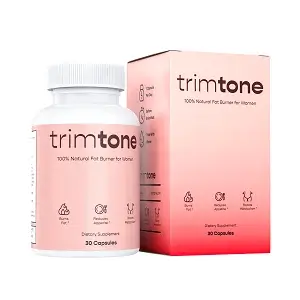
Trimtone
One capsule daily with grains of paradise and green coffee — perfect for busy schedules.
Read Full Review →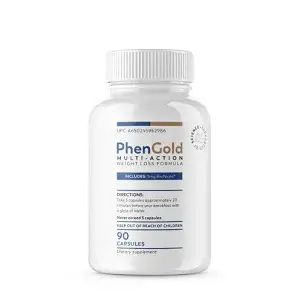
PhenGold
Green tea, L-theanine and Rhodiola for focus, energy and appetite support.
Read Full Review →⚠️ A sensible word of caution: check ingredients against any medications you take, watch your total caffeine intake (especially if sleep is already patchy), and chat with your GP or pharmacist if you have any health conditions. Supplements are the cherry, never the cake.
Conclusion
Getting lean and toned after 40 isn’t just possible — for many women, it becomes the fittest chapter of their lives. Truly.
The formula is refreshingly simple. Lift weights consistently, prioritise protein, walk more, sleep well, and give your body the recovery it deserves.
No fads. No punishing routines. No 1,200-calorie misery.
Will it happen overnight? Of course not.
But small, consistent habits compound remarkably quickly. Within a few months you’ll feel stronger, more energised and more confident in your own skin — and within a year, you might just be unrecognisable.
Your next step: pick one thing from this guide and start today. Two strength sessions this week, or simply hitting your protein target at breakfast.
Your future self will thank you for it.
FAQs
Can a woman over 40 really get toned, or is it too late?
It’s absolutely not too late — studies show women can build muscle well into their 60s, 70s and beyond. With two to three strength sessions a week and adequate protein, most women see visible changes within three months.
How should a woman over 40 lose belly fat?
You can’t spot-reduce belly fat, but you can shift it through a modest calorie deficit, regular strength training, daily walking, better sleep and stress management. Midlife belly fat is closely tied to cortisol and oestrogen changes, so recovery matters as much as exercise.
How many days a week should I work out after 40?
Two to four strength sessions a week plus daily walking is the sweet spot for most women. More isn’t better if it compromises recovery — consistency over months beats intensity over weeks.
Do fat burners actually work for women over 40?
They can offer modest support — mainly through appetite control and a small metabolic boost — but only alongside proper training and nutrition. Think of them as a 5% helper, not a solution, and always check ingredients against your medications first.
References
- NHS — Exercise and physical activity guidelines
- NHS — Menopause: symptoms and treatments
- NHS — Couch to 5K running programme
- British Heart Foundation — Staying active
- British Nutrition Foundation — Healthy eating resources
- Parkrun UK — Free weekly 5K events
- Royal Osteoporosis Society — Exercise for bone health
- Bodyly — Best Fat Burners UK for Women

Tanveer Quraishi, author of Steroids 101 has extensive experience in the field of bodybuilding and has been writing online on various muscle-building and other health topics for many years now. He is not just interested in bodybuilding but is a great football player too. When he is not writing for his site or training at the gym, he loves to spend his time with this wife and kids.