
DIM Supplement for Men in the UK: Estrogen Balance and Testosterone Support
DIM has quietly become one of the more talked-about supplements in men’s hormone health circles. It’s not a testosterone booster in the traditional sense — but the mechanism behind it is directly relevant to why some men feel “off” even when their testosterone numbers look reasonable on paper.
Here’s the honest breakdown of what DIM actually is, what it does, what the evidence supports, and where it fits — and doesn’t fit — into a UK man’s approach to hormonal health.
What Is DIM?
DIM — diindolylmethane — is a naturally occurring compound formed when your body digests cruciferous vegetables: broccoli, cauliflower, kale, Brussels sprouts, and cabbage.
It’s not a synthetic hormone or a steroid precursor. It’s a phytochemical your digestive system produces from a parent compound called indole-3-carbinol (I3C), which is found in these vegetables. You’d need to eat several large portions of cruciferous vegetables daily to get a clinically meaningful dose — which is why DIM exists as a standalone supplement.
Crucially, DIM is not a testosterone booster. It does not raise testosterone levels directly. What it does is influence how your body processes estrogen — and for men, that distinction matters a great deal.
How DIM Actually Works
To understand why this matters for men, you need to understand a basic piece of male physiology that doesn’t get discussed enough: men produce estrogen too.
Most male estrogen comes from the conversion of testosterone into estradiol via an enzyme called aromatase. This is completely normal — some estrogen is necessary for bone density, cardiovascular health, cognitive function, and mood. The problem starts when the balance tips too far, which tends to happen more as men age, gain body fat, or are exposed to environmental estrogen-mimicking compounds.
This is where DIM’s actual mechanism comes in. Your liver breaks estrogen down through enzymatic pathways, and DIM has been shown to influence several of these enzymes — particularly CYP1A1 and CYP1A2, with additional effects on CYP1B1 and CYP3A4.
The practical effect is a shift in which estrogen metabolites your body produces. DIM promotes the conversion of estradiol toward 2-hydroxyestrone, a weaker, less biologically active metabolite, and away from 16-alpha-hydroxyestrone, a more potent form that binds more strongly to estrogen receptors.
In plain terms: DIM doesn’t block estrogen production. It changes how your body processes the estrogen you already have, nudging the balance toward the gentler downstream form. This is a fundamentally different mechanism from pharmaceutical aromatase inhibitors like anastrozole, which block estrogen production outright and can over-suppress it, sometimes causing joint pain and fatigue as a result.
There’s also a secondary mechanism worth knowing about. DIM may mildly inhibit aromatase activity itself — the enzyme converting testosterone to estrogen in the first place — providing a gentler, more upstream form of support compared to pharmaceutical options.
Related Articles:
- D-Aspartic Acid and Testosterone: What UK Men Need to Know
- Ashwagandha and Testosterone in the UK: Does It Actually Work?
Why This Matters Specifically for UK Men
As men age, testosterone naturally declines while aromatase activity tends to increase — meaning a greater proportion of whatever testosterone remains gets converted into estrogen. The overall effect is a shift toward more estrogenic influence at exactly the life stage when men are also dealing with declining testosterone.
This is compounded by two UK-relevant factors covered elsewhere in this series. Rising body fat increases aromatase activity, since fat tissue is itself a site of testosterone-to-estrogen conversion — and overweight and obesity rates in the UK are among the highest in Europe. Environmental exposure to xenoestrogens — estrogen-mimicking compounds found in plastics, pesticides, and personal care products — adds a further layer that DIM’s liver detoxification pathway may help address, since CYP1A1/CYP1A2 don’t just process the body’s own estrogen but also some environmental estrogen-like compounds.
For UK men in their 40s and beyond who are already addressing testosterone through diet, training, and sleep, but still experiencing symptoms like stubborn midsection fat, mood instability, or reduced response to other testosterone-supporting interventions, an elevated estrogen-to-testosterone ratio is a commonly overlooked piece of the puzzle.
What Does the Evidence Actually Show?
This is where honesty matters. DIM research is more limited than the research behind ingredients like zinc, vitamin D, or ashwagandha — and it’s important not to overstate what’s been proven.
The mechanism — DIM’s effect on CYP1A1/CYP1A2 enzymes and the shift toward 2-hydroxyestrone — is well documented in pharmacokinetic and metabolic studies. A controlled human pharmacokinetic study of absorption-enhanced BioResponse DIM found no DIM-related adverse effects at doses up to 200mg, with mild nausea and headache only appearing at a 300mg single dose in a small subset of participants. This study confirmed the dose-response relationship between DIM and estrogen metabolite shifts described above.
What’s much less established is a direct causal chain from “DIM supplementation” to “measurably higher functional testosterone” or improved symptoms in randomised controlled trials specifically in men. The bulk of DIM’s evidence base comes from its estrogen-metabolism mechanism, animal studies, and research in women (particularly around PMS, PCOS, and hormone-sensitive cancer risk) rather than large-scale male-specific RCTs.
The honest summary: the biochemical mechanism by which DIM shifts estrogen metabolism is genuinely well-supported. The leap from that mechanism to specific symptom or testosterone improvements in men is more theoretical and based on extrapolation, case reports, and the broader hormone-balance literature, rather than large definitive trials in male populations specifically.
This doesn’t mean DIM is without merit — it means men should view it as a tool for supporting estrogen metabolism specifically, not as a guaranteed testosterone enhancer, and should set expectations accordingly.
Who Should and Shouldn’t Consider DIM
| Profile | Recommendation | Reasoning | What to do |
|---|---|---|---|
| Men over 40 with stubborn midsection fat and mood instability | Worth considering | Classic presentation of an elevated testosterone-to-estrogen ratio driven by age-related increased aromatase activity | Start with 100–150mg of an absorption-enhanced DIM formula; reassess after 8–12 weeks |
| Men with high body fat / increased aromatase activity | Worth considering | Fat tissue is itself a site of testosterone-to-estrogen conversion, making excess body fat a direct driver of estrogen elevation | Combine DIM with fat loss efforts and a comprehensive formula like TestoPrime for best results |
| Men on TRT with mild estrogen-related symptoms | Discuss with GP first | DIM may offer a gentler alternative to pharmaceutical aromatase inhibitors, but TRT hormone management requires clinical oversight | Raise DIM specifically with the clinician managing your TRT before adding it independently |
| Men on regular prescription medication | Check with GP/pharmacist | DIM affects liver enzyme pathways (CYP1A2, CYP3A4) that also metabolise many common medications | Confirm no interaction risk with your specific medications before starting DIM |
| Men with thyroid or adrenal conditions | Medical guidance needed | DIM’s interaction with broader hormonal systems beyond estrogen metabolism is still being actively researched | Seek medical oversight rather than self-supplementing given the complexity of existing conditions |
| Men expecting DIM to directly raise testosterone | Wrong tool | DIM does not raise testosterone levels directly — its mechanism is estrogen metabolism, not testosterone synthesis | Choose a comprehensive testosterone-focused formula like TestoPrime or TestoPrime Gold instead |
| Men with no symptoms of estrogen imbalance | Likely unnecessary | Without symptoms or confirmed elevated estradiol, there’s no clear rationale for adding an estrogen-metabolism-specific supplement | Focus on the lifestyle and supplement fundamentals covered throughout this series first |
Based on the mechanisms and evidence discussed throughout this article. Individual circumstances vary significantly — this table is for general informational guidance only and does not constitute medical advice. Always consult your GP before starting any new supplement, particularly if you have an existing health condition or take regular medication.
Dosage and Safety
Most DIM supplements on the UK market range from 100mg to 300mg daily. Look specifically for BioResponse DIM or similarly absorption-enhanced formulations — standard, non-enhanced DIM has poor bioavailability, meaning much of an unenhanced dose may not be effectively absorbed.
DIM appears well tolerated at doses up to 200mg daily based on available pharmacokinetic data. At higher single doses (300mg), some users reported mild nausea, headache, and in one case, vomiting — suggesting a sensible approach is to start at the lower end of the dosing range and assess tolerance.
A few important safety considerations. DIM can affect liver enzyme pathways (CYP1A2, CYP3A4, and others), which means it may interact with certain medications metabolised through the same pathways — discuss this with your GP or pharmacist if you’re on regular prescription medication. Men with thyroid conditions, adrenal issues, or complex hormone regimens (including those on TRT) should seek medical oversight rather than self-supplementing, since DIM’s interaction with broader hormonal systems is still being actively researched.
DIM should not be viewed as a generic, no-questions-asked over-the-counter fix — it works best when matched to an individual’s actual symptoms and, ideally, hormone testing results.
DIM and TRT: A Specific Use Case Worth Knowing
One area where DIM has gained particular attention is among men on testosterone replacement therapy. TRT increases circulating testosterone, and a portion of that additional testosterone gets converted to estradiol via aromatase — sometimes pushing estrogen too high and causing TRT-related side effects.
Conventional treatment for this is a pharmaceutical aromatase inhibitor, which works well but can over-suppress estrogen if not carefully dosed, leading to joint pain, low libido, and fatigue — sometimes the very symptoms TRT was meant to fix. DIM is increasingly discussed as a gentler, non-pharmaceutical option for men experiencing mild estrogen elevation on TRT, working upstream through metabolism rather than blunt aromatase blockade.
This is not a decision to make without medical guidance. Men on TRT should only adjust their estrogen management approach — including adding DIM — in conversation with the clinician managing their treatment, given the complexity of hormone interactions involved.
DIM vs Pharmaceutical Aromatase Inhibitors
| Criteria | DIM (natural) | Pharmaceutical AI (e.g. anastrozole) |
|---|---|---|
| Mechanism | Shifts estrogen metabolism toward the weaker 2-hydroxyestrone pathway; mild upstream aromatase inhibition | Directly and potently blocks the aromatase enzyme, halting testosterone-to-estrogen conversion |
| Strength of effect | Gentle, gradual — works through metabolic pathway shifting rather than blunt suppression | Strong and fast-acting — can drop estrogen significantly within days |
| Risk of over-suppression | Low — does not eliminate estrogen production, only redirects metabolism | Higher — can suppress estrogen too far, causing joint pain, fatigue, and low libido |
| Availability | Over-the-counter supplement — no prescription required | Prescription-only medication, typically used alongside TRT under medical supervision |
| Evidence base in men | Mechanism well-documented; direct male-specific RCTs limited — mostly case reports and extrapolation | Extensively studied in clinical settings, particularly in men on TRT and in oncology contexts |
| Side effect profile | Generally well tolerated up to 200mg; mild nausea/headache reported at higher single doses | Joint pain, fatigue, low libido, and bone density concerns with long-term or excessive use |
| Who it suits | Men with mild estrogen elevation, body composition concerns, or general hormone balance support | Men with clinically confirmed high estradiol, particularly those on TRT requiring active management |
| Medical oversight needed | Recommended, especially for men on medication or with existing hormone conditions | Essential — requires regular blood testing and dose titration by a prescribing clinician |
Note: DIM and pharmaceutical aromatase inhibitors are not interchangeable. DIM works as a gentler, upstream metabolic support tool, while pharmaceutical AIs are potent medications requiring clinical supervision. This table is for informational comparison only and does not constitute medical advice.
The Best UK Options for Hormonal Support: TestoPrime and TestoPrime Gold
DIM addresses one specific piece of the hormonal puzzle — estrogen metabolism. For UK men looking for a more comprehensive approach that covers testosterone production, cortisol, and the broader nutritional picture alongside estrogen balance, TestoPrime and TestoPrime Gold remain the strongest overall options covered throughout this series.
TestoPrime
TestoPrime‘s formula already addresses part of the estrogen side of this equation through fenugreek extract, which has aromatase-inhibiting properties, and pomegranate extract, which provides antioxidant protection to testicular tissue.
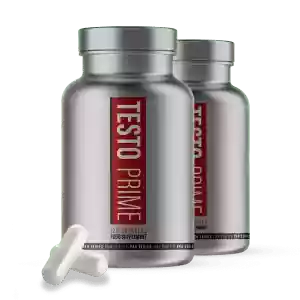
Combined with KSM-66 ashwagandha for cortisol reduction, D-aspartic acid, zinc, and vitamin D, it takes a multi-mechanism approach rather than relying on any single pathway. It’s manufactured in GMP-certified facilities in both the US and UK, entirely plant-based, and backed by a lifetime money-back guarantee.
Check out TestoPrime Review by clicking here
TestoPrime Gold
For men over 45 — precisely the demographic where aromatase activity increases and the testosterone-to-estrogen ratio becomes most relevant — TestoPrime Gold is the more targeted option.
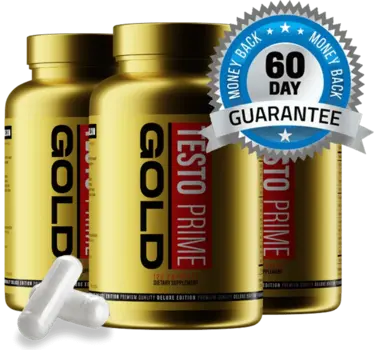
Its increased D-aspartic acid dose, combined with boron (which reduces SHBG) and zinc paired with green tea extract (EGCG), specifically works to slow the conversion of testosterone into estradiol — directly relevant to the aromatase mechanism discussed throughout this article.
Men specifically concerned about estrogen balance — whether due to age, body composition, or general hormonal symptoms — may find that TestoPrime Gold’s broader formula, which already targets the testosterone-to-estrogen conversion pathway, addresses much of what DIM is being used for, while also supporting testosterone production directly.
For men who want to add DIM specifically for its liver detoxification and estrogen-metabolite-shifting properties, it can be used alongside either formula, ideally with medical guidance if any other hormone-related conditions or medications are involved.
Find out more on TestoPrime Gold by clicking here.
Final Thoughts
DIM is not a testosterone booster, and any product or article suggesting otherwise is overstating the evidence. What it is, is a well-mechanistically-supported tool for shifting how your body processes estrogen — relevant for men dealing with an unfavourable testosterone-to-estrogen ratio, whether from ageing, body composition, or environmental exposure.
For most UK men, addressing the fundamentals — body fat, sleep, stress, and a comprehensive formula like TestoPrime or TestoPrime Gold that targets multiple hormonal pathways simultaneously — will deliver more noticeable results than DIM alone. DIM is best thought of as a targeted addition for men with a specific concern about estrogen balance, not a standalone solution.
If you’re experiencing persistent symptoms of hormonal imbalance, the right first step is always a GP appointment and proper hormone testing — including estradiol, not just testosterone — rather than guessing which supplement might help.
References:
- Reed, G. A., Peterson, K. S., Smith, H. J., Gray, J. C., Sullivan, D. K., Mayo, M. S., Crowell, J. A., & Hurwitz, A. (2006). A phase I study of indole-3-carbinol in women: tolerability and effects. Cancer Epidemiology, Biomarkers & Prevention, 14(8), 1953–1960.
- Anderton, M. J., Manson, M. M., Verschoyle, R. D., Gescher, A., Lamb, J. H., Farmer, P. B., Steward, W. P., & Williams, M. L. (2004). Pharmacokinetics and tissue disposition of indole-3-carbinol and its acid condensation products after oral administration to mice. Clinical Cancer Research, 10(15), 5233–5241.
- Reed, G. A., Arneson, D. W., Putnam, W. C., Smith, H. J., Gray, J. C., Sullivan, D. K., Mayo, M. S., Crowell, J. A., & Hurwitz, A. (2006). Single-dose and multiple-dose administration of indole-3-carbinol to women: pharmacokinetics based on 3,3′-diindolylmethane. Cancer Epidemiology, Biomarkers & Prevention, 15(12), 2477–2481.
- Heath, E. I., Heilbrun, L. K., Li, J., Vaishampayan, U., Harper, F., Pemberton, P., & Sarkar, F. H. (2010). A phase I dose-escalation study of oral BR-DIM (BioResponse 3,3′-diindolylmethane) in castrate-resistant, non-metastatic prostate cancer. American Journal of Translational Research, 2(4), 402–411. (Single-dose pharmacokinetics and tolerability of absorption-enhanced DIM in healthy subjects.) https://pmc.ncbi.nlm.nih.gov/articles/PMC2602858/
- Thomson, C. A., Chow, H. H. S., Wertheim, B. C., Roe, D. J., Stopeck, A., Maskarinec, G., Altbach, M., Chalasani, P., Huang, C., Strom, M. B., Galons, J. P., Thompson, P. A. (2017). A randomized, placebo-controlled trial of diindolylmethane for breast cancer biomarker modulation in patients taking tamoxifen. Breast Cancer Research and Treatment, 165(1), 97–107.
- Minich, D. M., & Bland, J. S. (2007). A review of the clinical efficacy and safety of cruciferous vegetable phytochemicals. Nutrition Reviews, 65(6), 259–267.
- Newman, M. S., Smeaton, J., & Jaferi, A. (2025). Clinical utility of urine hormone metabolite testing in personalized medicine: A case report of a male patient with low testosterone. Integrative Medicine: A Clinician’s Journal, 24(5), 14.
- Arnold, D., Coetzee, O., & LaGrutta, A. (2026). DIM and PSA reduction: Blocking aromatization for prostate health: A case report. Alternative Therapies in Health & Medicine, 32(1), 56.
- Saggar, J. K., Chen, J., Corey, P., & Thompson, L. U. (2010). Dietary flaxseed lignan and oil combined with tamoxifen treatment affects MCF-7 tumor growth through estrogen and growth factor signaling pathways. Molecular Nutrition & Food Research, 54(3), 415–425. (Background on estrogen metabolite pathways relevant to 2-hydroxyestrone/16α-hydroxyestrone ratio research.)
- National Center for Complementary and Integrative Health (NCCIH) / Healthline. (2025). DIM Supplements: Benefits, Side Effects, and Dosage. Retrieved from https://www.healthline.com/nutrition/dim-supplement
- Allergy Research Group. (2024). DIM for Men’s Hormone Health. Retrieved from https://allergyresearchgroup.com/blogs/nutrition-in-focus/dim-for-men

Tanveer Quraishi, author of Steroids 101 has extensive experience in the field of bodybuilding and has been writing online on various muscle-building and other health topics for many years now. He is not just interested in bodybuilding but is a great football player too. When he is not writing for his site or training at the gym, he loves to spend his time with this wife and kids.