8 Ways To Support Your Testosterone – Ranked By How Well They Work
What actually raises testosterone naturally? Three things carry most of the evidence: sleeping seven to nine hours, resistance training combined with losing excess body fat, and correcting a genuine vitamin D or zinc deficiency. Cutting heavy drinking and stopping smoking come next — one large study found chronic drinkers averaged 12% lower testosterone than non-drinkers, and non-smokers 4–9% higher than smokers. The popular advice about plastic bottles, frying pans and underwear sits at the weak end of the evidence, and none of it will offset poor sleep or excess body fat.
Most articles on this topic list eight things as though they were equally important. They aren’t, and treating them as equivalent is how people end up buying a glass water bottle while sleeping five hours a night.
So this version ranks them. Strongest evidence first, weakest last, with what the research actually shows for each.
How We’ve Ranked These
| Tier | What it means | Which factors |
|---|---|---|
| Strong | Consistent human evidence, meaningful effect sizes | Sleep, body fat and training, correcting deficiencies |
| Moderate | Real associations, smaller or less consistent effects | Alcohol, smoking, chronic stress |
| Weak | Plausible mechanism, limited or mixed human data | Endocrine disruptors, heat exposure |
Strong Evidence
Strong Evidence
Sleep
Strong evidenceThe single most effective thing on this list, and the one most people are worst at. Testosterone release is tied to sleep architecture, so restricting sleep restricts production directly rather than indirectly.
Controlled research on healthy young men found that a week of sleeping around five hours a night lowered daytime testosterone by roughly 10–15% [1]. That’s a larger swing than most supplements claim to deliver, produced by one week of a habit millions maintain for years.
Body fat and resistance training
Strong evidenceThese belong together because they act on the same problem from two directions. Adipose tissue contains aromatase, the enzyme that converts testosterone to oestrogen — so more fat mass means more conversion.
A large analysis of older men found low testosterone significantly associated with higher fat mass and lower muscle mass, while higher-frequency strength training was associated with reduced odds of low testosterone [2]. The same study noted regular aerobic exercise over twelve weeks raised testosterone by around 9% in adult men.
Correcting a real deficiency
Strong — conditionalVitamin D and zinc are both involved in testosterone production, and correcting a genuine shortfall can improve levels. The conditional part is the whole point: it works if you’re deficient and does very little if you aren’t.
Vitamin D deficiency is common in the UK, particularly between October and March when sunlight is insufficient for skin synthesis — which is why the NHS advises considering a daily supplement over winter [3]. Zinc is found in meat, shellfish, dairy and legumes, and outright deficiency is less common in people eating adequately.
Moderate Evidence
Moderate Evidence
Alcohol
Moderate evidenceAlcohol affects testosterone through several routes at once — direct effects on the testes, disrupted sleep, and added body fat from the calories.
In one analysis of health behaviours and hormone levels, chronic drinkers averaged around 12% lower testosterone than non-drinkers [2]. Heavy consumption also acutely suppresses production, which is why testing guidance commonly advises avoiding alcohol before a blood test.
Smoking
Moderate evidenceLess discussed than the others and better evidenced than most of them.
The same analysis found non-smokers had 4–9% higher testosterone than smokers among adults at normal weight without major comorbidities, and identified smoking cessation as one of the behaviours associated with lower odds of low testosterone [2].
Chronic stress
Moderate evidenceSustained cortisol elevation and testosterone tend to move in opposite directions, so prolonged psychological stress is a plausible and reasonably supported drag on levels.
One correction, though, since it circulates widely in gym advice: the claim that training beyond sixty minutes raises cortisol enough to meaningfully harm testosterone is not well supported. Training itself raises cortisol acutely, which is normal and part of the adaptive response — the concern is chronic, unmanaged stress rather than a long session.
Weak Evidence
Weak Evidence
Endocrine disruptors: plastics, packaging, non-stick pans
Weak evidenceThis is where most articles on the subject spend their energy, and where the evidence is thinnest. The mechanism is real — some industrial chemicals do interact with hormone systems — but the human data is far more modest than the headlines.
A large analysis of US survey data examined 110 individual chemicals against serum testosterone and found associations with low testosterone for two of them, at roughly double the odds between highest and lowest exposure quartiles [4]. Two associations out of 110 chemicals is a meaningfully different picture from “plastics are destroying male hormones”.
Heat exposure and underwear
Weak — and often misreportedThe testes sit outside the body because sperm production needs a lower temperature, and heat does affect them. But the research most often cited here measured sperm parameters, not testosterone — men wearing looser underwear showed higher sperm concentration, which is a fertility finding rather than a hormonal one.
Treating that as testosterone advice is a category error, and it’s repeated on almost every page covering this topic — including, until this update, on ours.
Where Supplements Fit
Natural testosterone support supplements sit alongside the list above rather than replacing any part of it. They contain no hormones — they’re combinations of vitamins, minerals and botanicals aimed at supporting your own production.
The honest expectation follows from item three on this list: ingredients like vitamin D, zinc and magnesium help most in people who were short of them. If your levels are already adequate and your sleep and training aren’t, a supplement is the least useful place to spend money.
Where We Land on TestoPrime
A testosterone support supplement, not a hormone — with expectations set by this article rather than the marketing.
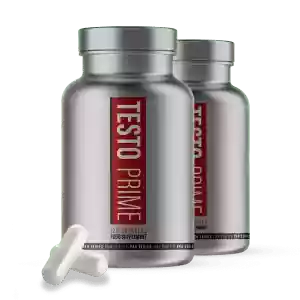
TestoPrime
Wolfson Brands · natural testosterone support · daily capsules
- Contains no testosterone and cannot replicate replacement therapy
- Built around vitamins, minerals and botanicals aimed at supporting natural production
- Legal to buy and possess, with a published ingredient panel and a traceable manufacturer
- Most likely to help if you were low in something it contains — least likely if you weren’t
- No substitute for sleep, training or reducing excess body fat
When to Stop Self-Treating and Get Tested
Everything above is about supporting normal function. If you suspect something is actually wrong, that’s a different question with a different answer.
Persistent fatigue, reduced libido, erectile difficulties, loss of muscle despite training, and low mood are the common symptoms — and they’re non-specific, which is exactly why guessing is a poor strategy. Depression, thyroid problems, sleep apnoea and anaemia all produce overlapping pictures.
A GP can arrange a blood test if there’s a clinical indication. Levels vary through the day, so testing is usually done in the morning, and a single result isn’t normally enough to act on.
One thing worth knowing: anabolic steroid use suppresses natural testosterone production, sometimes for months after stopping. If that’s relevant to your situation, say so — it changes the interpretation of any result, and our guide to how these compounds differ covers why.
FAQ
What raises testosterone the fastest?
Nothing on this list works overnight. Sleep produces the quickest measurable change — restricted sleep lowers testosterone within a week, and restoring it works in the same direction. Body composition changes take months.
Do testosterone boosters actually work?
They can help modestly if they correct a deficiency you actually have. They don’t replicate testosterone replacement therapy, and any product implying otherwise is describing marketing rather than pharmacology.
Does drinking from plastic bottles lower testosterone?
The evidence is weaker than commonly claimed. Some chemical exposures are associated with lower testosterone in population data, but effect sizes are modest — and avoiding plastic won’t offset poor sleep or excess body fat.
Does tight underwear lower testosterone?
The research usually cited measured sperm parameters rather than testosterone. It’s a reasonable fertility precaution and a poor testosterone strategy.
How do I know if my testosterone is low?
A blood test, usually taken in the morning, arranged through your GP if there’s a clinical indication. The symptoms overlap with several other conditions, which is why testing rather than assuming is the right route.
Can exercise lower testosterone?
Regular resistance and aerobic training are associated with better levels. The “over an hour and cortisol ruins it” claim is gym folklore — chronic under-recovery is a genuine issue, a long session on its own is not.
References
- Leproult R, Van Cauter E. Effect of 1 week of sleep restriction on testosterone levels in young healthy men. JAMA. 2011;305(21):2173–2174. https://pubmed.ncbi.nlm.nih.gov/21632481/
- Prevalence of Low Testosterone According to Health Behavior in Older Adult Men. Int J Environ Res Public Health. 2021. https://www.ncbi.nlm.nih.gov/pmc/articles/PMC7824172/
- NHS — Vitamin D. https://www.nhs.uk/conditions/vitamins-and-minerals/vitamin-d/
- Low Serum Testosterone Levels Are Associated with Elevated Urinary Mandelic Acid and Strontium Levels in Adult Men (NHANES 2011–2012). https://www.ncbi.nlm.nih.gov/pmc/articles/PMC4440739/
- Low free testosterone is associated with hypogonadal signs and symptoms in men with normal total testosterone levels — European Male Ageing Study. https://www.ncbi.nlm.nih.gov/pmc/articles/PMC4582226/
- NHS — Erection problems (erectile dysfunction). https://www.nhs.uk/conditions/erection-problems-erectile-dysfunction/
- NHS — Anabolic steroid misuse. https://www.nhs.uk/conditions/anabolic-steroid-misuse/
This article is for information only and is not medical advice. Food supplements are not medicines and are not intended to diagnose, treat, cure or prevent any disease. If you have persistent symptoms of low testosterone, speak to your GP rather than self-treating. This page links to our own review pages, which contain affiliate links; we may earn a commission at no extra cost to you, and it never affects our assessments.

Tanveer Quraishi, author of Steroids 101 has extensive experience in the field of bodybuilding and has been writing online on various muscle-building and other health topics for many years now. He is not just interested in bodybuilding but is a great football player too. When he is not writing for his site or training at the gym, he loves to spend his time with this wife and kids.