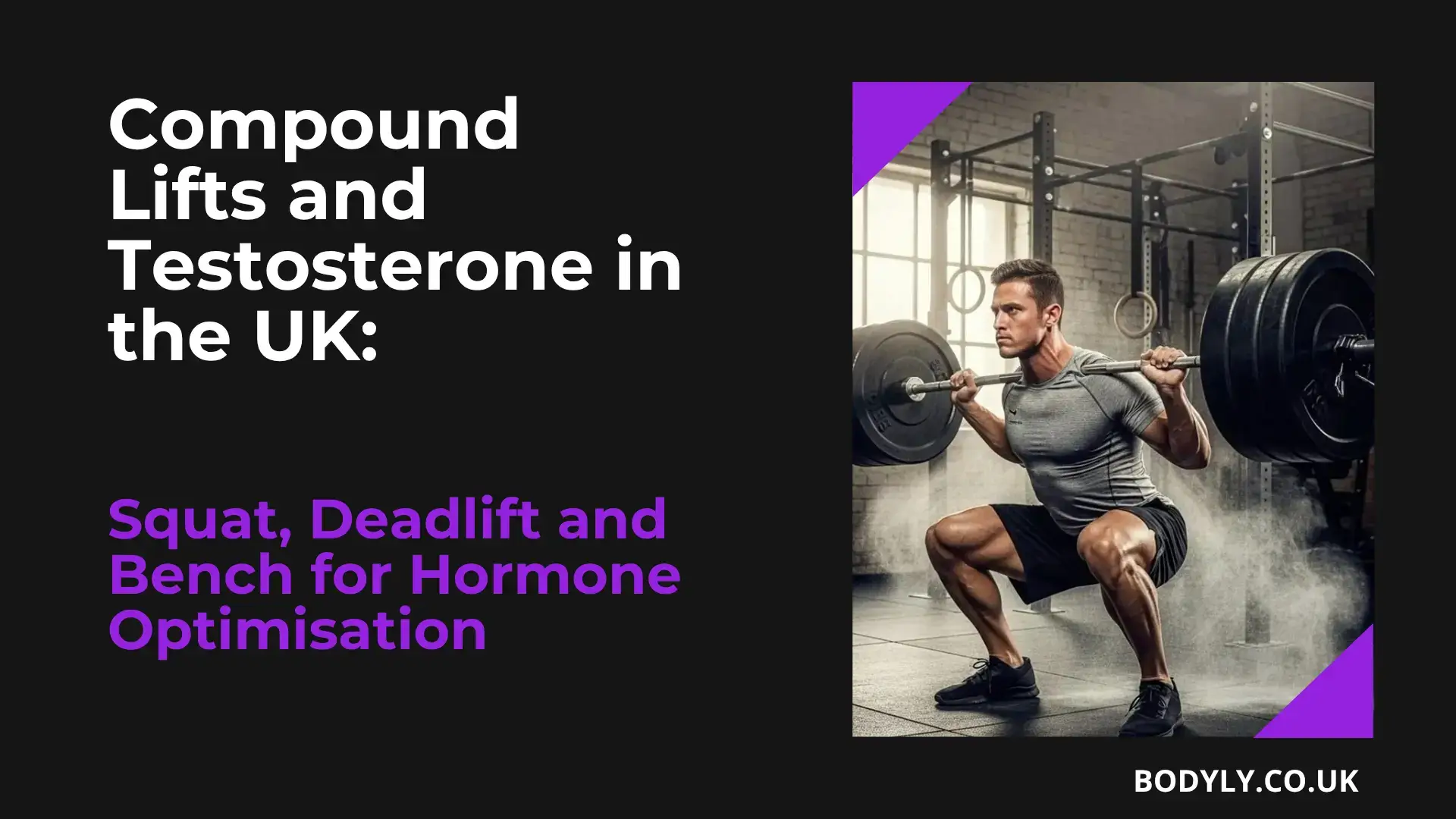
Compound Lifts and Testosterone in the UK: Squat, Deadlift and Bench for Hormone Optimisation
Walk into any gym in Britain and you’ll hear it: “squats and deadlifts boost your testosterone, mate.” It’s repeated so often that nobody questions it.
Here’s the thing — it’s half true, and the half that’s false is the half everyone believes. The research on this is clearer than the gym floor suggests.
So let’s do this properly: what the big three actually do to your hormones, what they don’t, and how to programme them for the benefit that’s genuinely real.
📸 Key Takeaways
-
The transformations are real. Tren works — pretending otherwise is why people stop trusting health writing.
-
The “after” photo is taken at the peak — roughly week four, the narrowest window of the whole experience.
-
A lot of what you’re looking at isn’t muscle. Dehydration, pump, glycogen, lighting and timing do enormous work.
-
The “before” photo is a performance too. Bad light, no pump, slouched. That’s a marketing technique, not an accident.
-
Nobody posts the week-14 photo — and that’s the one that would actually tell you something.
-
There’s a legal alternative. TrenMax from CrazyBulk — smaller transformation, but no second act.
The Myth: Do Squats “Spike” Your Testosterone Into More Muscle?
Let’s take the gym-floor claim apart, because it’s built on a real observation and a wrong conclusion.
The observation is true. Heavy, high-volume compound work — squats especially — does produce a sharp, measurable rise in testosterone and growth hormone straight after training.
The conclusion doesn’t follow. That transient spike lasts roughly 15 to 30 minutes, and researchers have tested directly whether it actually builds more muscle.
The Study That Settled It
Researchers at McMaster University ran a genuinely clever experiment over 15 weeks. Twelve young men trained one arm with curls alone, keeping hormones at baseline.
They trained the other arm with identical curls — but followed immediately by a big bout of leg work, deliberately triggering a large spike in testosterone, growth hormone and IGF-1.
Same person. Same arm exercise. Wildly different hormonal environments.
The result? Muscle grew by 12% in the low-hormone arm and 10% in the high-hormone arm. Strength rose equally in both. The hormone spike added precisely nothing.
The researchers concluded that these exercise-induced hormone rises don’t enhance muscle growth or strength — and that local factors within the trained muscle matter far more.
| The Gym-Floor Claim | Verdict | What the Evidence Shows |
|---|---|---|
| “Squats spike your T” | True | A transient rise of roughly 15–30 minutes. Real, and measurable |
| “That spike builds more muscle” | False | No measurable effect on growth or strength |
| “So train legs to grow your arms” | False | Tested directly, over 15 weeks. It didn’t work |
| “Short rests boost T, so you grow faster” | False | Bigger spike, but no extra muscle |
| Notice the pattern: the observation is true, the conclusion doesn’t follow. The spike is real — it just doesn’t do the thing everyone assumes it does. | ||
So if you’ve been supersetting legs before arms hoping to ride a hormonal wave — you can stop. Train each muscle properly instead.
So Why Do Compound Lifts Matter for Testosterone at All?
Here’s where the honest picture gets genuinely encouraging, and where the big three earn back their reputation.
The acute spike is a red herring. But your baseline testosterone — your everyday, resting level — matters a great deal, and that’s a different mechanism entirely.
Research suggests a reasonable baseline level is permissive: your body needs enough testosterone present for training adaptations to happen properly. Men with genuinely suppressed testosterone build muscle and strength less well.
And this is exactly where heavy compound training pays off — just over months, not minutes.
- More muscle mass improves insulin sensitivity, which supports healthier hormone balance
- Less body fat means less aromatase, so less testosterone converted to oestrogen
- Better sleep quality — hard training earns deeper sleep, when most testosterone is produced
- Improved metabolic health, which underpins the whole system
Notice none of these happen in the 30 minutes after your set. They happen over a year of showing up.
The big three are the most efficient tools for all four. That’s the real case for them — and it’s a much better one than a hormone spike that does nothing.
The Big Three, Lift by Lift
Each of the main lifts brings something different. Here’s what each one actually contributes.
The Squat
The squat recruits more muscle mass than almost any other movement — quads, glutes, hamstrings, core, and upper back all working at once.
For hormonal purposes, that matters because it’s the most efficient way to build significant lean mass, which is the long-term driver.
Depth beats load. A half-rep squat with a huge bar is training your ego, not your legs.
The Deadlift
The deadlift is the biggest total-load lift most men will ever perform, recruiting the entire posterior chain from calves to traps.
It’s also the most systemically demanding. Heavy deadlifts take more out of you — and your recovery — than any other lift, which is precisely why frequency needs managing.
Technique here isn’t optional. A rounded-back deadlift is an injury waiting to happen, and time off training does nothing for your hormones.
The Bench Press
Bench doesn’t recruit the muscle mass that squats and deadlifts do, so its systemic effect is smaller. But it’s the best builder of upper-body pressing mass you’ve got.
Its real value is balance: build a big lower body and neglect the upper, and you leave a lot of total lean mass on the table.
| Lift | Muscle Mass Recruited | Systemic Cost | The Real Contribution |
|---|---|---|---|
| Squat | Very high | High | Most efficient lean mass builder |
| Deadlift | Very high | Very high | Total posterior chain, heaviest loads |
| Bench | Moderate | Moderate | Upper body mass and balance |
| Read the two bars against each other. Squat gives the most for its cost. Deadlift maxes out both — which is why it needs the most recovery. Bench is cheap, and does a different job. | |||
How to Programme the Big Three
If the acute spike is irrelevant, the programming question changes completely. You’re no longer chasing a hormonal response — you’re building muscle and protecting recovery.
That’s simpler, and it’s better.
| Variable | What Actually Matters | Skip This |
|---|---|---|
| Load | Heavy enough to drive adaptation | Chasing “hormone-optimal” rep ranges |
| Rest between sets | 2–3 min so you can lift heavy | Short rests to “spike” hormones |
| Frequency | Each lift 1–2× weekly | Daily maxing |
| Volume | Enough to progress, not to punish | Junk volume for the burn |
| Progression | Add load or reps over time | Random workouts |
| Deloads | Lighter week every 4–8 weeks | Never backing off |
The through-line: lift heavy, recover properly, progress over time. No hormonal tricks required, because the tricks don’t work.
Mistakes That Blunt the Benefit
Most lifters undermine their own results in the same handful of ways.
| The Mistake | Why It Costs You |
|---|---|
| Ego-lifting with poor form | Injury means time off — the worst outcome for your hormones |
| Deadlifting heavy 3–4× a week | Recovery never catches up; cortisol stays high |
| Skipping deloads entirely | Fatigue accumulates and progress stalls |
| Training the big three in a deep deficit | Under-eating suppresses testosterone directly |
| Sleeping five hours and lifting hard | You’re training in a hole you can’t dig out of |
That last pair matters more than most men realise. Heavy compound work on top of chronic under-eating and poor sleep is where hard training starts working against your hormones.
(We cover that trap in depth in our guide to testosterone and bodybuilding in the UK.)
Recovery Is Part of the Programme
Heavy compounds are systemically taxing in a way isolation work simply isn’t. A hard squat or deadlift session demands recovery from your whole body, not just your legs.
Get seven to nine hours of sleep — this is when most of your testosterone is produced, and it’s non-negotiable if you’re lifting heavy.
Eat enough. Keep dietary fat around 20–30% of calories, since it’s the raw material for testosterone, and don’t run a deep deficit while training the big three hard.
And keep the drinking sensible. Staying within the NHS guideline of 14 units a week supports both recovery and healthier testosterone.
A Quick Word on Supplements
Here’s where this article’s argument applies to your supplement shelf too.
If a product promises a testosterone surge around your workout, that’s the same claim we just took apart. An acute spike doesn’t build muscle — so a supplement sold on producing one is selling you the myth, not the fix.
What actually matters is your baseline, and what limits progress on heavy compound work isn’t effort. It’s what happens between sessions.
That’s the only useful lens here. Squats and deadlifts are systemically taxing in a way isolation work isn’t — they demand recovery from your whole body, and they generate cortisol in bulk. Cortisol is what sits on the other end of the see-saw from testosterone, and it doesn’t care whether the stress came from a heavy triple or your inbox.
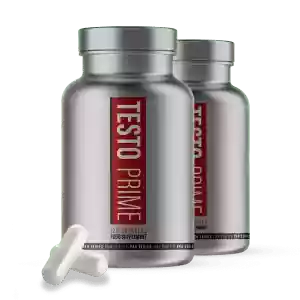
TestoPrime earns a look for one specific reason: its ashwagandha content targets exactly that. It’s among the few supplement ingredients with decent human evidence behind it for lowering cortisol and supporting strength — and it’s dosed properly rather than sprinkled in for the label.
👉 Read our full TestoPrime review
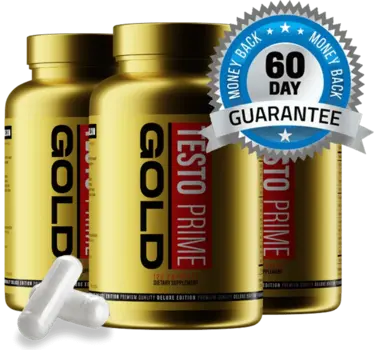
TestoPrime Gold applies the same idea with enhanced absorption, aimed at lifters past 45 who feel the gap between hard sessions widening.
👉 Read our full TestoPrime Gold review
Neither adds a kilo to your squat by itself. Judge them as a marginal edge on top of the programming above — and be sceptical of anyone claiming more.
The Bottom Line
The gym-floor wisdom got the mechanism wrong but the prescription right. Squats and deadlifts don’t build muscle by spiking your testosterone — that’s been tested directly, and it doesn’t hold up.
But they remain the best tools you have, because the benefits that do matter are the slow ones: more lean mass, less fat, better insulin sensitivity, deeper sleep. All of which support the baseline testosterone that genuinely counts.
So lift heavy. Rest properly between sets. Progress over months. Deload before you need to. Sleep and eat like it’s part of the programme, because it is.
No tricks. Just the big three, done well, for long enough to work.
Frequently Asked Questions
Do squats and deadlifts really increase testosterone?
They produce a genuine but brief rise — roughly 15 to 30 minutes after training. However, research shows this acute spike doesn’t translate into extra muscle or strength. The real hormonal benefit of these lifts comes from the long-term effects: more lean mass, less body fat, and better sleep and insulin sensitivity.
Should I train legs before arms to boost my arm growth?
No — this was tested directly. In a 15-week study, one arm trained alongside heavy leg work (triggering a big hormone spike) grew no more than the arm trained alone. Train each muscle group properly on its own merits instead.
Do shorter rest periods boost testosterone and build more muscle?
Short rests do produce a bigger acute hormone response, but that doesn’t produce more muscle. Longer rests of two to three minutes let you lift heavier, which is what actually drives adaptation — so don’t sacrifice load chasing a hormonal effect that doesn’t deliver.
How often should I deadlift for hormone health?
Once or twice a week is plenty for most lifters. Deadlifts are the most systemically demanding lift, so training them heavy three or four times weekly tends to outpace your recovery — which raises cortisol and works against your testosterone rather than for it.
References
- West, D.W.D. et al. (2010). Elevations in ostensibly anabolic hormones with resistance exercise enhance neither training-induced muscle hypertrophy nor strength of the elbow flexors. Journal of Applied Physiology, 108(1), 60–67.
- Roberts, M.D. et al. (2024). Hormones, Hypertrophy, and Hype: An Evidence-Guided Primer on Endogenous Endocrine Influences on Exercise-Induced Muscle Hypertrophy. Exercise and Sport Sciences Reviews.
- Leproult, R. & Van Cauter, E. (2011). Effect of 1 week of sleep restriction on testosterone levels in young healthy men. JAMA, 305(21), 2173–2174.
- NHS — Alcohol units. The 14-units-per-week low-risk drinking guideline.
- NHS — The ‘male menopause’. Overview of age-related low testosterone and when to see a GP.
- Hackett, G. et al. (2023). The British Society for Sexual Medicine (BSSM) Guidelines on Male Adult Testosterone Deficiency. World Journal of Men’s Health.
This article is for informational purposes only and isn’t medical advice. Always consult your GP before starting any supplement or training programme, especially if you have existing health conditions.

Tanveer Quraishi, author of Steroids 101 has extensive experience in the field of bodybuilding and has been writing online on various muscle-building and other health topics for many years now. He is not just interested in bodybuilding but is a great football player too. When he is not writing for his site or training at the gym, he loves to spend his time with this wife and kids.