TRT Alternatives in the UK: Natural Options Before Going Pharmaceutical
Here’s a number that surprised me when I first dug into it: testosterone prescriptions in England have roughly doubled over the past decade. That’s a lot of British men jumping straight to the pharmaceutical route.
But here’s the thing — TRT is usually a lifelong commitment. Once you start injecting or applying testosterone, your body often dials down its own production, and coming off it isn’t always straightforward.
So before you book that private clinic consultation or push your GP for a prescription, it’s worth asking a simple question. Have you actually exhausted the natural options first?
In this guide, I’ll walk you through the TRT alternatives that genuinely move the needle. Some are free, some cost a bit, and all of them are worth trying before you commit to needles for life.
Why Look at TRT Alternatives First?
Let’s be honest — TRT works. If your testosterone is clinically low, replacement therapy can transform your energy, mood, and libido.
But it comes with strings attached. And in the UK specifically, there are a few extra hurdles worth knowing about.
- NHS thresholds are strict. Many men with “low normal” levels (say, 9–12 nmol/L) don’t qualify for NHS treatment, leaving them stuck in a frustrating grey zone.
- Private TRT is expensive. UK clinics typically charge £100–£160 per month, plus initial consultations and blood panels — that adds up to £1,500+ a year, indefinitely.
- It can affect fertility. Exogenous testosterone suppresses sperm production, a big deal if you’re planning a family.
- It’s usually for life. Stopping TRT often means a rough recovery period while your natural production restarts — if it fully does.
- Ongoing monitoring required. Regular bloods for haematocrit, PSA, and oestradiol become part of your routine.
None of this means TRT is bad. It means it deserves to be a last resort, not a first move.
TRT Side Effects: What UK Clinics Don’t Always Lead With
Let’s talk about the bit that often gets glossed over in glossy clinic adverts. TRT is a genuine medical treatment, and like any medical treatment, it carries real side effects.
To be fair, properly monitored TRT is generally considered safe for most men. But “monitored” is doing a lot of heavy lifting in that sentence — these risks or TRT side effects are exactly why you’ll be having blood tests every few months.
| Side Effect | What Happens | How Common? |
|---|---|---|
| Raised haematocrit | Blood thickens, increasing clot risk | Common — main reason doses get adjusted |
| Testicular shrinkage | Your body stops making its own T | Very common without added medication |
| Reduced fertility | Sperm production suppressed | Very common — key issue for younger men |
| Acne and oily skin | Hormonal surge affects the skin | Fairly common, especially early on |
| Gynaecomastia | Excess T converts to oestrogen | Occasional — depends on the individual |
| Mood swings | Peaks and troughs between doses | More common with injections than gels |
| Worsened sleep apnoea | TRT can aggravate existing apnoea | Notable risk if overweight |
There’s also the dependence factor, which deserves its own mention. Once your body senses external testosterone coming in, it shuts down its own production — so stopping TRT abruptly can leave you feeling worse than before you started.
And a quick word on prostate health. Current evidence suggests TRT doesn’t cause prostate cancer, but it can accelerate an existing one, which is why UK clinics insist on regular PSA checks.
None of this is scaremongering — it’s simply the full picture. It’s also precisely why the natural routes below deserve a proper go first.
TRT vs Natural Alternatives at a Glance
| Factor | TRT (Private UK Clinic) | Natural Alternatives |
|---|---|---|
| Monthly cost | £100–£160+ | £0–£60 |
| Commitment | Usually lifelong | Flexible, reversible |
| Fertility impact | Can suppress sperm production | None (may improve it) |
| Prescription needed | Yes | No |
| Blood monitoring | Every 3–6 months | Optional |
| Time to results | 3–6 weeks | 4–12 weeks |
First Things First: Confirm You Actually Have Low T
Before changing anything, get tested. Symptoms like fatigue, low libido, and brain fog overlap with dozens of other conditions — thyroid issues, sleep apnoea, depression, even simple vitamin deficiencies.
In the UK, you’ve got two routes. Your GP can order a testosterone blood test on the NHS, or you can use a private finger-prick kit from providers like Medichecks or Thriva for around £30–£60.
One crucial tip: test between 7am and 10am, fasted. Testosterone peaks in the morning, and an afternoon test can make perfectly normal levels look worryingly low.
If your result comes back below roughly 8 nmol/L with clear symptoms, speak to your GP — that’s genuine hypogonadism territory. If you’re in the 9–15 nmol/L zone, the natural approaches below could realistically get you where you want to be.
Quick Self-Check: Do You Recognise These Signs?
Not a diagnosis — just a guide to whether a blood test is worth your time.
- Low sex drive or fewer morning erections
- Constant tiredness, even after a decent night’s sleep
- Brain fog or trouble concentrating at work
- Losing muscle despite training
- Gaining belly fat that won’t shift
- Low mood, irritability, or a shorter fuse than usual
- Gym recovery taking noticeably longer
- Loss of drive or competitiveness
Which Path Is Right For You – Check Yourself:
Which path is right for you?
Answer 5 quick questions for a personalised starting point. No email, no sign-up.
What’s your age?
Testosterone naturally declines with age — this shapes the advice.
Do you know your testosterone level?
From a recent blood test, measured in nmol/L (the UK standard unit).
Are you planning to have children in the future?
This matters a lot — pharmaceutical TRT can suppress fertility.
What’s bothering you most?
Pick the symptom you’d most like to fix.
What’s your preferred approach?
Be honest — there’s no wrong answer here.
Natural TRT Alternatives That Actually Work
Right, let’s get into the good stuff. These aren’t miracle fixes, but the research behind them is solid — and the effects stack.
1. Fix Your Sleep (Seriously, Start Here)
Nothing tanks testosterone faster than poor sleep. One well-known University of Chicago study found that a week of five-hour nights dropped young men’s testosterone by 10–15%.
Aim for 7–9 hours, keep a consistent schedule, and get checked for sleep apnoea if you snore heavily. Sleep apnoea is massively underdiagnosed in UK men and is strongly linked to low T.
2. Lift Heavy Things
Resistance training is one of the most reliable natural testosterone boosters we know of. Compound lifts — squats, deadlifts, presses — trigger the biggest hormonal response.
Three to four sessions a week is the sweet spot. Interestingly, overtraining does the opposite, so endurance athletes hammering 60-mile weeks often see lower testosterone.
3. Lose the Belly Fat
This one’s huge. Fat tissue contains aromatase, an enzyme that literally converts your testosterone into oestrogen.
Studies consistently show that overweight men who lose 10%+ of their body weight see meaningful testosterone increases. For many blokes carrying a few extra stone, this alone rivals what a low-dose TRT protocol delivers.
4. Sort Your Diet and Key Nutrients
Very low-fat diets and chronic under-eating both suppress testosterone. So does the classic British combo of ultra-processed food and regular pints.
A few nutrients matter more than the rest, especially given the UK’s famously grey skies.
| Nutrient | Why It Matters | UK-Relevant Note |
|---|---|---|
| Vitamin D | Deficiency strongly linked to low T | NHS advises supplementing Oct–Mar in the UK |
| Zinc | Essential for testosterone production | Deficiency common; found in meat & shellfish |
| Magnesium | Supports free testosterone | Many UK diets fall short |
| Healthy fats | Building blocks for hormones | Don’t fear eggs, olive oil, oily fish |
| Protein | Preserves muscle, aids fat loss | Aim for ~1.6g per kg bodyweight |
5. Manage Stress and Cortisol
Cortisol and testosterone have a see-saw relationship — when one’s chronically up, the other’s down. Long-term work stress is a genuine, measurable T-killer.
You don’t need to become a meditation guru. Daily walks, cutting doom-scrolling, and actually taking your annual leave all count.
6. Cut Back on Alcohol
Sorry to be the bearer of bad news. Regular heavy drinking suppresses testosterone production and increases its conversion to oestrogen.
You don’t have to go teetotal — but keeping it under 14 units a week (the NHS guideline) makes a real difference.
Testosterone Support Supplements: The Middle Ground
Once your lifestyle fundamentals are dialled in, a quality testosterone support supplement can be the logical next step before pharmaceutical TRT. The best ones combine clinically studied ingredients — D-aspartic acid, ashwagandha, fenugreek, zinc, vitamin D — at proper doses.
Two products stand out in the UK market right now, and they happen to come from the same company.
TestoPrime: The All-Rounder
TestoPrime has become one of the most popular natural testosterone supplements among UK men, and for good reason. It packs 12 ingredients including a hefty 2,000mg dose of D-aspartic acid, KSM-66 ashwagandha, fenugreek, and panax ginseng.
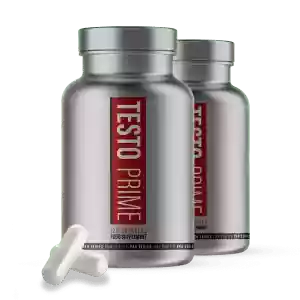
What I rate about it: the doses are transparent (no proprietary blends hiding underdosed ingredients), it’s made in GMP-certified facilities, and it comes with a lifetime money-back guarantee. That last bit is almost unheard of in the supplement world.
It’s best suited to men in their 30s and 40s dealing with flagging energy, softer gym sessions, and a libido that’s not what it was.
👉 [Read our full TestoPrime review here] to see the complete ingredient breakdown, real user results, and current UK pricing.
TestoPrime Gold: The Premium Upgrade
TestoPrime Gold is the newer, upgraded formula aimed at men who want a more comprehensive approach — particularly those 40+. It builds on the original with enhanced ingredient forms designed for better absorption and adds extra support for energy and vitality.
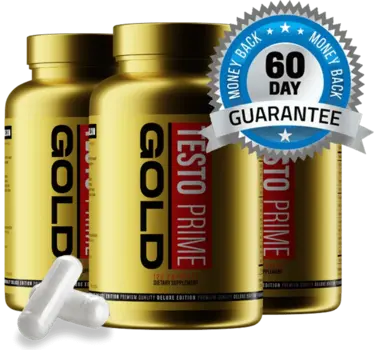
Think of it as the original TestoPrime with the dial turned up. It costs a bit more, but for men whose symptoms are more pronounced, the stronger formulation makes sense.
👉 [Read our full TestoPrime Gold review here] for the side-by-side comparison with the original and our verdict on whether it’s worth the upgrade.
Quick Comparison
| Feature | TestoPrime | TestoPrime Gold ⭐ |
|---|---|---|
| Best for | Men 30–45, general T support | Men 40+, stronger support |
| Key ingredients | D-AA, KSM-66 ashwagandha, fenugreek, zinc | Upgraded formula, enhanced absorption |
| Guarantee | Lifetime money-back | Lifetime money-back |
| Prescription needed | No | No |
| UK availability | Yes, ships from UK | Yes, ships from UK |
One honest caveat: supplements support your body’s own production — they won’t replicate pharmaceutical TRT for a man with genuinely clinical hypogonadism. But for men in that grey zone, combined with the lifestyle changes above, they can be exactly the nudge needed.
When TRT Genuinely Is the Right Answer
Let’s keep it real for a second. If your levels are consistently below 8 nmol/L, your symptoms are significant, and you’ve genuinely given the natural route three to six months of honest effort — TRT might be the right call.
In that case, don’t self-medicate with grey-market gear from the gym. Go through your GP first, and if the NHS route stalls, look into regulated UK private clinics with proper medical oversight and regular blood monitoring.
There’s no shame in needing TRT. The shame would be starting a lifelong protocol you never actually needed.
FAQs
FAQs: TRT Alternatives in the UK
Can I increase testosterone without TRT?
Yes, in many cases. Sleep, resistance training, weight loss, vitamin D, and stress management all have solid evidence behind them — and for men in the “low normal” range, combining these with a quality supplement like TestoPrime can make a meaningful difference. Men with clinically diagnosed hypogonadism, however, may still need medical treatment.
Is TRT legal in the UK?
Yes, TRT is completely legal when prescribed by a doctor, either through the NHS or a regulated private clinic. What’s illegal is buying testosterone without a prescription — and grey-market gear carries serious quality and safety risks on top of the legal ones.
Will the NHS prescribe TRT?
Only if your levels are consistently low (typically below ~8 nmol/L on repeat morning tests) alongside clear symptoms. Men in the 9–12 nmol/L grey zone are often declined, which is exactly why so many turn to private clinics — or, more sensibly first, the natural routes covered above.
How long do natural testosterone boosters take to work?
Give it 4–12 weeks. Lifestyle changes like better sleep can show effects within a fortnight, while supplements such as TestoPrime typically need 3–4 weeks of consistent use before you notice changes in energy and drive.
Do testosterone supplements actually work?
The honest answer: quality ones with clinically dosed ingredients (D-aspartic acid, ashwagandha, zinc, vitamin D) can support your body’s own production — studies back the individual ingredients. They won’t replicate pharmaceutical TRT, but for men in the grey zone they’re a legitimate, low-risk step. Avoid anything with proprietary blends that hide the doses.
What testosterone level is considered low in the UK?
Most UK labs flag total testosterone below 8–12 nmol/L, with under 8 nmol/L generally treated as clearly low when symptoms are present. Always test between 7–10am, fasted, and confirm with a second test before drawing conclusions.
Conclusion: Build the Foundation First
Here’s the bottom line. TRT is a powerful tool, but it’s a one-way door for most men — so make sure you’ve genuinely tried the alternatives first.
Sort your sleep. Lift weights three times a week. Drop the excess weight, top up your vitamin D (this is Britain, after all), and rein in the booze.
Then, if you want an extra edge, a quality supplement like TestoPrime or TestoPrime Gold gives you clinically studied ingredients without prescriptions, needles, or lifelong commitment. And with a lifetime money-back guarantee, the risk is basically nil.
Give the natural route 90 days of honest effort. Your future self — and your wallet — will thank you for it.
References:
- NHS. Vitamin D — Vitamins and minerals. Guidance on supplementing 10 micrograms daily between October and early March in the UK. https://www.nhs.uk/conditions/vitamins-and-minerals/vitamin-d/
- NHS. The ‘male menopause’. Overview of late-onset hypogonadism, symptoms, and when to see a GP. https://www.nhs.uk/conditions/male-menopause/
- NHS. Alcohol units. Low-risk drinking guideline of no more than 14 units per week. https://www.nhs.uk/live-well/alcohol-advice/calculating-alcohol-units/
- Leproult, R. & Van Cauter, E. (2011). Effect of 1 week of sleep restriction on testosterone levels in young healthy men. JAMA, 305(21), 2173–2174. Found a 10–15% drop in daytime testosterone after a week of 5-hour nights. https://jamanetwork.com/journals/jama/fullarticle/1029127
- Wu, F.C. et al. (2010). Identification of late-onset hypogonadism in middle-aged and elderly men. New England Journal of Medicine, 363, 123–135. (European Male Ageing Study — EMAS) https://www.nejm.org/doi/abs/10.1056/NEJMoa0911101
- Hackett, G. et al. (2023). The British Society for Sexual Medicine (BSSM) Guidelines on Male Adult Testosterone Deficiency, with Statements for Practice. The World Journal of Men’s Health. https://bssm.org.uk/wp-content/uploads/2023/08/WJMH22-1027-4-Copy.pdf
- University of Chicago Medicine. Sleep loss lowers testosterone in healthy young men (press summary of the Leproult & Van Cauter study). https://www.uchicagomedicine.org/forefront/news/sleep-loss-lowers-testosterone-in-healthy-young-men

Tanveer Quraishi, author of Steroids 101 has extensive experience in the field of bodybuilding and has been writing online on various muscle-building and other health topics for many years now. He is not just interested in bodybuilding but is a great football player too. When he is not writing for his site or training at the gym, he loves to spend his time with this wife and kids.