
Testosterone Replacement Therapy in the UK: NHS, Private Options, Costs and What to Expect (2026)
Search interest in testosterone replacement therapy has roughly tripled in the UK over the past three years.
More British men than ever are asking the same set of questions: What is TRT exactly? Can I get it on the NHS? How long will it take? How much does it cost privately? What forms of treatment are available? What can I actually expect in terms of results — and side effects?
This guide answers all of them. It’s written for UK men who want the full, unfiltered picture — not a sales pitch from a clinic, and not the kind of watered-down overview that tells you to “see your GP” and leaves it there.
A note on context first. Research indicates that 20% of UK men over 50 may have testosterone deficiency syndrome. Yet only around 1% have been diagnosed and treated. That gap isn’t primarily because TRT doesn’t work — it does, for the right men. It’s because the path to diagnosis and treatment in the UK is poorly understood, inconsistently applied, and genuinely frustrating for many men navigating it.
Understanding how the system actually works gives you a significant advantage in getting the right outcome.
What Is TRT and How Does It Work?
Testosterone replacement therapy is exactly what the name suggests: a medical treatment that replaces or supplements the testosterone your body is no longer producing in adequate quantities.
It does not stimulate the body to produce more testosterone naturally. It introduces exogenous testosterone — testosterone from an outside source — directly into the body. Once circulating, this testosterone behaves like the testosterone your body would produce itself, binding to receptors throughout the body and restoring the hormonal functions that had declined.
In the UK, TRT is a prescription-only treatment regulated by the MHRA (Medicines and Healthcare products Regulatory Agency). It can only legally be prescribed by a doctor registered with the General Medical Council (GMC). Online-only services delivering testosterone without a proper clinical assessment are operating outside UK medical guidelines and should be avoided.
TRT is not anabolic steroids. The doses used in medically supervised TRT aim to restore testosterone to a normal physiological range — roughly 15–30 nmol/L — not to supraphysiological levels associated with bodybuilding and performance enhancement. The two are categorically different in dose, intent, medical oversight, and risk profile.
Who Is TRT For?
TRT is indicated for men with clinically confirmed testosterone deficiency — also called hypogonadism or testosterone deficiency syndrome (TDS) — alongside symptoms that are affecting quality of life.
The key word is “clinically confirmed.” Symptoms alone are insufficient. Low testosterone must be confirmed via blood testing, and the cause should be understood before treatment begins.
There are two main categories:
Primary hypogonadism is where the problem originates in the testicles themselves — due to injury, infection, genetic conditions like Klinefelter syndrome, chemotherapy, or radiation treatment.
Secondary hypogonadism is where the problem originates in the pituitary gland or hypothalamus, which fail to send adequate signals to the testicles. This is the more common form and is frequently associated with obesity, type 2 diabetes, sleep apnoea, and chronic illness.
Many men fall into the third category of age-related decline — a gradual reduction in testosterone from the mid-30s onwards. The NHS treats this category more conservatively and is significantly more reluctant to prescribe TRT for age-related decline compared to clinically established primary or secondary hypogonadism.
Symptoms That Warrant Investigation
Symptoms of testosterone deficiency that should prompt a GP visit and blood testing include:
Persistent fatigue that sleep doesn’t resolve is one of the most common. Others include significantly reduced libido, erectile dysfunction or reduced spontaneous erections, loss of muscle mass and strength despite regular exercise, increased body fat particularly around the abdomen, low mood or depression, brain fog and poor concentration, reduced bone density, sleep disturbances, and reduced body and facial hair.
The important caveat is that none of these symptoms is specific to low testosterone. They overlap significantly with thyroid disorders, sleep apnoea, depression, anaemia, and numerous other conditions. That’s exactly why blood testing rather than symptom assessment alone is required for diagnosis.
The NHS Route: How It Actually Works
Step 1: The GP Appointment
The journey starts at your GP surgery. This is where the process can already feel frustrating, for two reasons.
First, getting a GP appointment is itself increasingly difficult. One in 20 patients in England waited at least four weeks to see a GP in 2024, and the situation hasn’t materially improved.
Second, most GPs are not trained specialists in testosterone deficiency — it is a specialist field within endocrinology — which means symptoms are frequently attributed to stress, depression, or general ageing rather than hormone levels.
Going in prepared matters considerably. Come with a specific, written list of symptoms, how long you’ve had them, and how they’re affecting your daily life. Reference the BSSM (British Society of Sexual Medicine) guidelines — knowing they exist, and that your GP can prescribe under them rather than waiting for an endocrinology referral, often changes the conversation.
Step 2: Blood Testing
If your GP agrees to investigate, they’ll arrange a testosterone blood test. This must be a morning blood test — before 11am ideally — since testosterone follows a diurnal pattern, peaking in the morning and dropping through the day. A result taken at 3pm is likely to underestimate your true baseline.
At least two morning blood tests are usually required before TRT can be considered. This is standard clinical practice — a single test can be affected by temporary illness, acute stress, or sleep deprivation.
The standard NHS test measures total testosterone. This tells you the overall amount of testosterone in the blood, including both the portion bound to proteins (mainly SHBG and albumin) and the smaller free testosterone portion that’s actually biologically active.
Free testosterone is often not measured at NHS level unless you’re referred to a specialist. This is a meaningful limitation — some men with total testosterone in the “normal” range have low free testosterone due to high SHBG, and their symptoms are therefore real even though the standard test doesn’t capture the full picture.
Step 3: The NHS Thresholds
This is where the process often becomes contentious.
The NHS prescribes TRT only for men who meet strict medical criteria. Current guidance typically limits treatment to those with total testosterone levels below 8 nmol/L, or below 10.4 nmol/L if taking medication for erectile dysfunction.
Many clinical specialists — and the BSSM guidelines — argue that symptoms can be meaningfully present at levels higher than this threshold. Significant loss of libido and energy can occur at around 15 nmol/L, obesity symptoms at 10–12 nmol/L, and depression, disturbed sleep, and concentration problems between 8 and 10 nmol/L. The NHS threshold takes no account of these nuances or of the age-related decline in average testosterone levels.
The result: many men who are genuinely symptomatic with levels between 8 and 15 nmol/L don’t qualify for NHS treatment, are told their results are “normal,” and are left to manage symptoms that have a real, measurable hormonal basis.
Step 4: Referral to Endocrinology
If your testosterone falls below the NHS threshold, your GP will likely refer you to an endocrinologist rather than prescribing TRT themselves. Most GPs defer to an endocrinologist and you are likely to face a long wait of between nine months and a year.
The endocrinologist will repeat blood tests, investigate possible underlying causes, and decide whether TRT is appropriate. This additional step adds months to a process that may have already taken months to initiate.
NHS Treatment Options
If approved, the NHS most commonly prescribes:
Testosterone gels — applied daily to the skin (shoulders, upper arms, or abdomen). The most commonly prescribed option in the UK. Brands include Testogel and Testim. The main risk is accidental transfer to partners or children through skin contact.
Testosterone patches — applied to the skin, changed every 24 hours. Less commonly prescribed than gels.
Injectable testosterone — given via intramuscular injection, typically every 10–14 weeks. Nebido (testosterone undecanoate) is the most commonly used injectable on the NHS. Injections are used less often within the NHS partly because they are more expensive and require closer monitoring.
What the NHS generally doesn’t prescribe: Subcutaneous testosterone injections (smaller, more frequent, self-administered) and HCG (human chorionic gonadotropin, used to preserve fertility on TRT) are typically not available through NHS pathways.
NHS Cost
NHS TRT is either free if you’re exempt from prescription charges, or roughly £9.90 per prescription.
For men on standard NHS prescriptions, this is extremely cost-effective compared to private alternatives. The trade-off is the path required to get there: the restrictive eligibility criteria, the waiting time, the limited treatment options, and the often infrequent follow-up monitoring once treatment is established.
| Criteria | NHS TRT | Private TRT |
|---|---|---|
| Cost | Free or £9.90/prescription Exempt patients pay nothing; standard prescription charge applies otherwise |
£99–£199/month Year one typically £1,500–£2,400 all-in including consultations, bloods, and medication |
| Time to treatment | 12+ months GP appointment → blood tests → endocrinology referral → treatment: typically 9–12 months minimum |
2–6 weeks Initial consultation, blood panel, and prescription can be completed within a few weeks |
| Eligibility threshold | Strict — below 8 nmol/L Most symptomatic men in the 8–15 nmol/L range will not qualify regardless of symptoms |
Symptoms-led Broader assessment considers symptoms, free testosterone, and quality of life — not just total T threshold |
| Blood testing panel | Basic Standard test covers total testosterone only; free T, oestradiol, and SHBG rarely tested unless referred to specialist |
Comprehensive Full panel including free T, SHBG, oestradiol, LH, FSH, PSA, haematocrit, thyroid, and lipids |
| Treatment options | Limited Mainly gels (Testogel, Testim) and Nebido injections. HCG and subcutaneous injections generally not available |
Full range Gels, intramuscular injections, subcutaneous injections, pellets, and HCG all available depending on clinic |
| Monitoring frequency | Infrequent Follow-up blood tests often every 6–12 months once stable; dose adjustment can be slow |
Structured Typically every 3 months in year one, adjusting as needed; built into the monthly cost |
| HCG availability | Not available HCG for fertility preservation during TRT is generally not prescribed through NHS pathways |
Available Most private TRT clinics can prescribe HCG alongside testosterone for fertility protection |
| Continuity of care | Variable May be managed across GP and endocrinology departments with limited joined-up oversight |
Dedicated clinician Most private clinics assign a named clinician managing your case throughout |
| Prostate / PSA monitoring | Standard PSA testing included in follow-up | Full PSA monitoring built into every treatment plan as standard |
| Best suited for | Men with confirmed clinical deficiency below 8 nmol/L who can wait and want the free route | Men wanting faster access, borderline levels, broader treatment options, or HCG inclusion |
Note: costs and timelines are indicative based on 2026 UK data. NHS waiting times vary significantly by region and trust. Private costs vary by clinic, treatment type, and monitoring package. Always verify current pricing directly with your chosen provider.
Before TRT: Could Natural Testosterone Support Be Your First Step?
Before committing to either the NHS pathway or private TRT, it’s worth asking an honest question: are you at the stage where medical testosterone replacement is genuinely necessary, or are you in the grey zone where a well-formulated natural approach could meaningfully move the needle first?
For men with testosterone in the 8–15 nmol/L range — below optimal but above the NHS treatment threshold — the clinical consensus is that lifestyle intervention and evidence-based supplementation should be the first port of call before medical treatment is considered. This isn’t a brush-off. For many men in this range, the right approach genuinely restores quality of life without the cost, commitment, and medical monitoring that TRT requires.
Two products stand out as the most comprehensive natural options for UK men at this stage.
TestoPrime — For Men Exploring Natural Support First
TestoPrime is the most well-rounded natural testosterone support supplement available in the UK for men at any age. Its formula covers the key mechanisms simultaneously — KSM-66 ashwagandha at a clinically relevant dose for cortisol reduction, D-aspartic acid for LH signalling, fenugreek and pomegranate extract for aromatase support, alongside zinc, magnesium, and vitamin D to close the nutritional gaps most commonly driving hormonal decline in UK men.
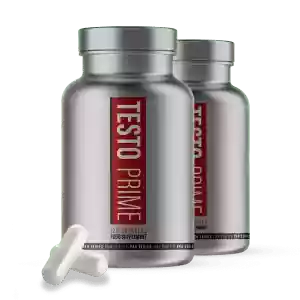
Critically, it’s manufactured in GMP-certified facilities in both the US and the UK — a meaningful point for British buyers who want assurance about manufacturing standards without relying solely on overseas production. It’s entirely plant-based, backed by a lifetime money-back guarantee, and designed to be used as a daily supplement rather than cycled.
For men who are symptomatic but not yet at the point where TRT is medically indicated — or for men who have tried the NHS route and been declined due to borderline results — TestoPrime represents the most evidence-aligned natural starting point covered throughout this series.
TestoPrime Gold — Specifically For Men Over 45
For men aged 45 and above, TestoPrime Gold is the more targeted option. This matters because the hormonal picture in men over 45 is distinct from that of younger men — testosterone production has typically declined further, SHBG (sex hormone-binding globulin) tends to rise with age, and aromatase activity increases, meaning a greater proportion of remaining testosterone gets converted to oestrogen.
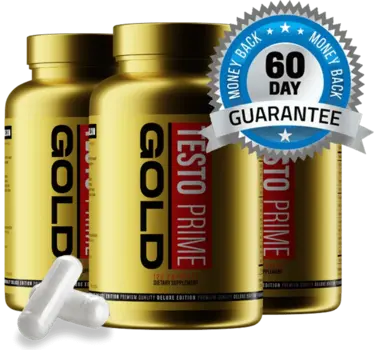
TestoPrime Gold addresses this directly. Its increased D-aspartic acid dose is specifically formulated for older men, where the evidence for DAA’s effect on LH stimulation is strongest. Boron supports SHBG reduction to free up more usable testosterone. Zinc paired with green tea extract (EGCG) specifically slows the conversion of testosterone to oestradiol — directly relevant to the aromatase management challenge in this age group.
For men over 45 who are considering TRT but want to try a natural approach first, or who want to optimise their hormonal baseline before committing to a private clinic pathway, TestoPrime Gold is the most logically constructed option for this specific demographic.
Find out more on Testo Prime Gold here
The Private Route: What It Offers and What It Costs
Why Men Choose Private
Private TRT clinics often offer a more direct route to assessment and treatment, with structured monitoring and wider treatment flexibility.
Specifically, private clinics offer:
Faster access. Where the NHS pathway may take 12+ months from GP appointment to treatment, private clinics can have you assessed and treated within weeks.
More comprehensive diagnostics. Private UK TRT clinics assess the full picture — free testosterone, SHBG, oestradiol, LH, FSH, PSA, lipids, haematocrit, thyroid — and tailor protocols accordingly. This broader panel gives a much more complete picture of hormonal health than the standard NHS total testosterone test.
More treatment options. Private clinics can prescribe a wider range of formulations, including subcutaneous injections, HCG (for fertility preservation), and customised dosing schedules.
Personalised monitoring. Regular follow-up blood tests and dose adjustments are built into most private TRT plans, rather than the infrequent monitoring that often characterises NHS follow-up.
Symptoms-led approach. Private clinics can use more detailed diagnostic tools and build a clearer picture of hormone health before deciding whether TRT is appropriate. The focus is on treating the whole person, not just the blood test result.
What Private TRT Costs in the UK (2026)
Understanding the real cost of private TRT requires separating it into its components.
Initial consultation: Most private TRT clinics charge £100–£250 for the initial appointment, which may include a questionnaire, symptom review, and discussion of blood test results.
Blood testing: A comprehensive pre-treatment hormonal panel (free testosterone, SHBG, oestradiol, LH, FSH, PSA, haematocrit, and thyroid markers) typically costs £100–£250 from a private lab. Some clinics include this in a combined initial package.
Ongoing monthly treatment: Most men can expect private TRT to cost around £99–£199 per month, which includes medication, monitoring, and ongoing clinical reviews.
Year one total: A typical first year of private TRT in the UK costs £1,500–£2,400 all-in, including initial consultations, the first two to three blood panels, and medication.
Year two onwards: After the first year, most UK patients settle at £100–£200 per month. One clinic example (Leger) quotes approximately £95 per month from year two, covering blood tests, medication, injection equipment, and specialist support.
These are general ranges. Costs vary by clinic, treatment type, monitoring frequency, and location. London-based clinics with in-person appointments tend to sit at the higher end of the range.
Private Treatment Options
| Treatment type | Frequency | Availability | Pros | Cons |
|---|---|---|---|---|
| Testosterone gel (Testogel, Testim) | Daily | NHS + Private | Convenient daily routine; stable hormone levels; easy to adjust dose; no needles | Risk of skin transfer to partners or children; must dry before contact; some men find daily application inconvenient long-term |
| Testosterone patches | Daily | NHS + Private | No transfer risk; consistent hormone delivery; discreet | Skin irritation common; patches can fall off; less flexible on dosing; less commonly prescribed than gels |
| Intramuscular injection (Nebido, testosterone enanthate, cypionate) | Weekly to every 14 weeks depending on compound | NHS + Private | No daily application; can be self-administered at home; longer-acting compounds (Nebido) require very infrequent dosing | Hormone peaks and troughs can cause mood swings; requires injection technique; longer-acting compounds can’t be easily adjusted if problems arise |
| Subcutaneous injection (testosterone cypionate or enanthate) | Weekly or twice-weekly | Private only | Smaller needle than IM; easier to self-administer; more frequent dosing = more stable levels with fewer peaks and troughs | Not available on NHS; requires more frequent injections; some men experience injection site reactions |
| Testosterone pellets (implants) | Every 3–6 months | Private only (limited) | No daily or weekly administration; very consistent hormone levels; convenient once inserted | Minor surgical procedure required for insertion and removal; not widely available in UK; dose cannot be adjusted once implanted |
| HCG (human chorionic gonadotropin) | 2–3x weekly (alongside T) | Private only | Preserves fertility and testicular size during TRT; stimulates natural testosterone production alongside exogenous T | Not available on NHS; adds cost and complexity; not required for all TRT patients — mainly relevant for fertility preservation |
Note: availability and prescribing practices vary between NHS trusts and private clinics. Always discuss which treatment type suits your lifestyle, health profile, and goals with the clinician managing your care.
Private clinics prescribe a broader range of testosterone formulations:
Testosterone gels — same as NHS, including Testogel. Daily application, convenient for many men.
Intramuscular injections — testosterone cypionate, testosterone enanthate, or Nebido. Can be self-administered at home once shown the technique. Frequency varies from weekly to every 10–14 weeks depending on the compound.
Subcutaneous injections — smaller needle, injected just under the skin rather than into the muscle. More frequent (typically weekly or twice-weekly) but often preferred for its more stable hormone levels and easier self-administration.
Testosterone pellets (implants) — small pellets inserted under the skin every 3–6 months. Not widely available in the UK but offered by some specialist clinics.
HCG (human chorionic gonadotropin) — often added alongside testosterone for men concerned about fertility or testicular atrophy during TRT. Stimulates the testes to maintain some natural production. Generally not available on the NHS.
Choosing a Private Clinic
With a growing number of UK TRT clinics operating, quality varies considerably. Key questions to ask before committing:
Are the prescribing doctors GMC-registered? This is non-negotiable — verify on the GMC register before starting treatment.
Is the clinic CQC-registered (Care Quality Commission)? The CQC is the independent regulator of health and social care in England. An “Outstanding” CQC rating is the highest available.
What blood markers does the pre-treatment panel include? A clinic that only tests total testosterone before prescribing is not providing adequate pre-treatment assessment.
What is the monitoring protocol? How frequently are blood tests done once treatment is established, and what is the process for adjusting dosing?
Is there a dedicated clinician managing your case, or are you passed between different people? Continuity of care matters for hormone optimisation.
What to Expect Before, During and After Starting TRT
| Timeframe | What you may experience | What’s happening hormonally | What to monitor |
|---|---|---|---|
| Weeks 1–4 | Some men notice early improvements in energy and mood. Others feel little change — this is normal and not an indicator of whether TRT will work | Testosterone levels are rising but the body is still adapting. Oestradiol may also rise as some T converts via aromatase | No blood test required yet. Watch for acne, oily skin, or early signs of water retention — these are common adjustment effects |
| Weeks 4–8 | Libido often begins to improve in this window. Some men report better sleep and reduced fatigue. Body composition changes are not yet visible | Testosterone is now regularly elevated above previous baseline. Natural LH and FSH production suppressing — testicular size may begin to reduce without HCG | Note any mood changes — some men experience irritability as oestradiol adjusts. Report significant changes to your clinician |
| Weeks 8–12 | First meaningful window of noticeable improvement for most men — energy, libido, and gym performance often more consistent. First blood test typically scheduled here | First clinically relevant blood test at this point. Dose may be adjusted based on total T, free T, oestradiol, and haematocrit results | Blood test: total T, free T, oestradiol, haematocrit, PSA. Dose adjustment possible at this point based on results |
| 3–6 months | Most men notice consistent, meaningful improvements across energy, mood, libido, and body composition. Muscle gains more responsive to training. Fat loss, particularly abdominal, begins to show | Testosterone stable in the target physiological range (typically 15–25 nmol/L). Haematocrit rising — monitoring important. Bone density beginning to improve with continued treatment | Blood test at 3 months and again at 6 months. Haematocrit, oestradiol, and PSA all monitored. Lifestyle factors (alcohol, sleep, exercise) remain important alongside TRT |
| 6–12 months | Body composition changes become more pronounced. Many men report feeling “normal” for the first time in years. Sexual function and confidence typically well-improved by this stage | Hormonal profile increasingly stable. Bone density improvements detectable by DEXA scan if conducted. Haematocrit typically stabilised within safe range | Six-monthly blood panel. Review of treatment type and dose if needed. Consider DEXA scan if bone density was a concern at baseline |
| Long term (12+ months) | Benefits sustained with consistent treatment and monitoring. Most men report sustained improvements across all key domains. Long-term quality of life significantly better than pre-treatment | Natural testosterone production largely suppressed. The body has adapted to exogenous testosterone as its primary source. Stopping TRT requires a planned, medically supervised protocol | Six-monthly blood panels ongoing. Annual PSA and haematocrit review. Any decision to stop TRT should be made with your clinician — never abruptly |
Note: timelines are indicative averages — individual response varies significantly based on starting testosterone level, treatment type, dose, lifestyle factors, and overall health. Some men respond faster, others more slowly. Patience and consistent monitoring are key to optimising outcomes.
Before Starting
The pre-treatment period involves a full health assessment, blood testing, symptom review, and — for men who haven’t already had it — exclusion of other potential causes of symptoms. Fertility should be discussed upfront with any man who may want children in the future, since TRT suppresses natural sperm production. If fertility preservation is a concern, HCG therapy or sperm banking should be discussed before treatment begins.
The First 12 Weeks
TRT does not produce overnight results. The initial weeks often feel like an adjustment period rather than a dramatic improvement.
Weeks 1–4: Some men report early improvements in energy and mood, particularly if vitamin D and other nutritional gaps are also being addressed. Others notice little change at this stage.
Weeks 4–8: Libido improvements often start to emerge in this window. Body composition changes are not yet visible.
Weeks 8–12: The first meaningful hormone blood test is typically done at this point. Doses may be adjusted based on results and symptom response.
The 3–6 Month Window
This is where most men begin to notice more consistent improvements across the key domains — energy, mood, libido, gym performance, and body composition. Total testosterone on blood tests should be in a healthy physiological range (roughly 15–25 nmol/L is typically targeted). Haematocrit (red blood cell concentration) is monitored to ensure it doesn’t rise too high, which can increase cardiovascular risk.
Long-Term: Ongoing Monitoring
TRT is not a “set and forget” treatment. Regular monitoring — typically every 3–6 months once stable — remains important throughout. Markers tracked include total and free testosterone, oestradiol, haematocrit, PSA (prostate-specific antigen), LH, FSH, and a standard metabolic panel.
The goal is to maintain testosterone in the healthy physiological range, keep oestradiol balanced, and avoid complications associated with excessively high haematocrit or PSA changes.
At a Glance:
Based on published TRT clinical evidence and BSSM guidelines on expected treatment timelines. Values represent approximate percentage improvement relative to pre-treatment baseline. Individual response varies significantly based on starting testosterone level, treatment type, dose, and lifestyle factors. This chart is illustrative of typical patterns, not a guarantee of specific outcomes.
Side Effects and Risks: An Honest Overview
| Side effect | Likelihood | What causes it | How it’s managed | Monitoring required |
|---|---|---|---|---|
| Elevated haematocrit (thickening of the blood) | Moderate | Testosterone stimulates red blood cell production. If haematocrit exceeds ~52%, blood viscosity increases, raising cardiovascular risk | Dose reduction, therapeutic phlebotomy (blood donation), or switching to a more frequent, lower-dose protocol | Blood test at 3, 6, and 12 months. Ongoing 6-monthly thereafter |
| Elevated oestradiol | Moderate | Some testosterone converts to oestrogen via aromatase. Higher T levels = more conversion potential, particularly in men with higher body fat | Dose adjustment; lifestyle changes to reduce body fat and aromatase activity; DIM supplementation; aromatase inhibitor if clinically indicated | Oestradiol tested at every blood panel — 3, 6, and 12 months in year one |
| Testicular atrophy | Common | Exogenous testosterone suppresses LH and FSH, reducing the signal for the testicles to produce testosterone — causing them to reduce in size and activity | HCG added alongside TRT to maintain testicular stimulation. Not all men choose or require this option | No specific blood marker — discussed clinically and managed through HCG where desired |
| Sperm production suppression | Common | Same mechanism as testicular atrophy — suppressed FSH reduces sperm production, potentially causing infertility during treatment | HCG to maintain some natural production; sperm banking before starting TRT for men who may want children | FSH and LH at baseline. Fertility discussion required before starting treatment for any man of reproductive age |
| Acne and oily skin | Common (especially early) | Higher testosterone increases sebum production. Most pronounced in the first 3 months as the body adjusts | Usually resolves or reduces after initial adjustment period. Skincare routine adjustments; dose reduction if severe | No specific blood test — clinical symptom review at check-ins |
| Hair loss acceleration | Moderate (genetically predisposed men only) | DHT (dihydrotestosterone), a testosterone metabolite, accelerates male pattern baldness in genetically susceptible men | 5-alpha reductase inhibitors (e.g. finasteride) can slow progression if desired. TRT does not cause hair loss in men without genetic predisposition | No blood marker — clinical discussion if relevant to patient |
| PSA elevation (prostate) | Less common | Testosterone stimulates prostate tissue. TRT does not cause prostate cancer but can stimulate pre-existing conditions | Pre-treatment PSA baseline required; ongoing monitoring; TRT contraindicated in men with diagnosed prostate cancer | PSA at baseline, 3 months, 6 months, then annually. Any significant rise warrants urological referral |
| Mood changes / irritability | Moderate (early adjustment) | Hormonal fluctuations during adjustment, particularly if oestradiol rises alongside testosterone, can affect mood in the first 1–3 months | Dose stabilisation usually resolves this. Properly monitored TRT improves rather than destabilises mood in the long term | Oestradiol monitoring at 3-month check. Clinical mood/wellbeing review at every appointment |
Note: side effect likelihood and severity vary significantly between individuals, treatment types, doses, and monitoring quality. Many of these effects are manageable with appropriate clinical oversight — which is why GMC-registered medical supervision is non-negotiable for TRT. This table is for informational purposes only and does not constitute medical advice.
TRT is generally well tolerated when properly monitored. The side effects most commonly discussed:
Testicular atrophy — natural testosterone production suppresses when exogenous testosterone is introduced, which can cause the testicles to reduce in size over time. HCG can be added to mitigate this.
Sperm production suppression — related to the above. Men who want children should discuss this before starting.
Elevated haematocrit — increased red blood cell production is a known effect of testosterone. If haematocrit rises too high (above around 52%), it increases blood viscosity and cardiovascular risk. Regular monitoring catches this early.
Acne and oily skin — common particularly in the first few months as the body adjusts to higher testosterone levels.
Elevated oestradiol — some testosterone converts to oestrogen via aromatase. If oestradiol rises too high, it can cause water retention, mood instability, and other symptoms. Managed through dose adjustment or aromatase management.
Hair loss — TRT can accelerate male pattern baldness in men who are genetically predisposed. It doesn’t cause hair loss in men who aren’t predisposed.
Prostate — current evidence does not support the historical concern that TRT causes prostate cancer in men with no pre-existing condition. However, PSA monitoring remains standard practice, and TRT is contraindicated in men with diagnosed prostate cancer.
Mood/behaviour — the “roid rage” narrative associated with supraphysiological steroid doses does not apply to medically supervised TRT. Restoring testosterone to a normal physiological range typically improves rather than destabilises mood.
TRT and Natural Supplements: How They Fit Together
Some men use natural testosterone support supplements — such as TestoPrime or TestoPrime Gold — before or alongside their TRT journey. These are not interchangeable with TRT, but they have a legitimate place in a well-considered approach.
Before TRT: For men with borderline levels (8–15 nmol/L), evidence-based supplements and lifestyle changes are typically the first recommendation, before medical treatment is considered. TestoPrime’s multi-mechanism formula — addressing cortisol, nutritional gaps, and LH signalling simultaneously — represents a sensible first step that’s been covered throughout this series.
Alongside TRT: Certain ingredients in supplements — particularly vitamin D, zinc, and magnesium — support the broader hormonal and metabolic environment around TRT without interfering with it. KSM-66 ashwagandha’s cortisol-reducing properties are also considered complementary to TRT by many clinicians.
For men not yet eligible for TRT: Many men who fall in the “grey zone” between 8 and 15 nmol/L won’t qualify for NHS treatment. A well-formulated supplement alongside a lifestyle-focused approach is the most sensible option while they either try to naturally restore levels or decide whether to pursue private testing and treatment.
For men over 45 specifically: TestoPrime Gold’s formulation is specifically designed for the age-related hormonal decline picture — increased D-aspartic acid, boron for SHBG reduction, and EGCG-paired zinc for aromatase management. This remains relevant both as a standalone approach and as nutritional support for men on TRT.
The key distinction: supplements support your body’s natural testosterone production. TRT replaces it. They are not competing interventions — they’re different tools addressing different severity levels of the same underlying hormonal problem.
Frequently Asked Questions
Is TRT legal in the UK?
Yes. TRT is a legal, regulated, prescription-only medicine in the UK. It can only be prescribed by a GMC-registered doctor following proper clinical assessment. Obtaining testosterone without a prescription is illegal.
Can I self-administer TRT injections?
Yes, with training. Many private TRT patients inject themselves at home — particularly subcutaneous injections — once shown the correct technique by a clinician. Intramuscular injections are also self-administered by some patients.
Will I be on TRT forever?
Not necessarily, though for many men it becomes a long-term commitment. Some younger men with reversible causes (obesity, sleep apnoea, nutritional deficiency) can restore natural testosterone production after addressing the underlying cause. For most men with age-related or primary hypogonadism, TRT is a long-term management approach rather than a short-term fix.
Does TRT affect cardiovascular health?
Recent evidence has broadly been positive. A major long-term study (TRAVERSE trial, 2023) found that TRT did not significantly increase cardiovascular event risk in men with hypogonadism and high cardiovascular risk profiles. This overturned earlier concerns that had made some clinicians cautious about prescribing. Haematocrit monitoring remains important.
Can I drink alcohol on TRT?
Alcohol directly suppresses testosterone production and elevates oestrogen. On TRT, this matters because alcohol can push oestradiol higher and undermine the treatment’s effectiveness. Keeping alcohol within UK guidelines (14 units/week maximum) is the minimum advisable position.
What happens if I stop TRT?
Natural testosterone production typically resumes eventually, but the timeline and extent vary significantly. Some men recover fairly quickly; others — particularly those who’ve been on TRT for years — may experience a prolonged period of low testosterone before natural production stabilises. Stopping TRT should always be done under medical supervision with a planned protocol, not abruptly.
Final Thoughts
TRT, when properly prescribed and monitored, is one of the most effective medical interventions available for men with confirmed testosterone deficiency. The evidence on its benefits for energy, mood, libido, body composition, and metabolic health is genuinely strong for the right patient population.
The NHS route is free but slow, restrictive, and limited in its treatment options. The private route is faster, more flexible, and more comprehensive — but comes with meaningful ongoing costs that need to be budgeted for realistically.
The most important thing is to start with proper information, not guesswork. Get tested. Know your numbers. Understand what the thresholds mean. Explore your options. And — whether you’re pursuing the NHS route or considering private care — work with a GMC-registered clinician who takes your symptoms seriously rather than reducing the decision to a single blood test number.
For men in the grey zone who don’t yet qualify for treatment, or who are exploring natural approaches alongside or before medical options, the evidence-based supplement protocols covered throughout this series remain a legitimate and worthwhile starting point. TestoPrime and TestoPrime Gold represent the most comprehensively formulated natural options for UK men at different stages of this journey — but they work best as part of a broader, well-informed approach to hormonal health, not as a substitute for proper medical assessment where it’s needed.
Medical disclaimer: This article is for informational purposes only and does not constitute medical advice. Testosterone replacement therapy is a prescription-only medical treatment in the UK. Always consult a qualified, GMC-registered doctor before beginning or adjusting any hormone therapy.

Tanveer Quraishi, author of Steroids 101 has extensive experience in the field of bodybuilding and has been writing online on various muscle-building and other health topics for many years now. He is not just interested in bodybuilding but is a great football player too. When he is not writing for his site or training at the gym, he loves to spend his time with this wife and kids.