Male Menopause in the UK: What Is Andropause, Symptoms and How to Manage It Naturally
✔️ Medically reviewed by Dr. Joseph Nightingale, MBBS, MSc — Updated August 2026
Ever heard a mate joke that he’s “going through the man-opause”? Turns out it’s not entirely a joke.
Testosterone in British men falls by around 1–2% a year from your 30s or 40s onward — the NHS puts it at roughly 1% annually, while large ageing studies have recorded declines of up to 2%.[1][7]

That name is andropause. And the good news? Much of it can be managed naturally, without ever going near a needle.
What Is the Male Menopause (Andropause)?
Let’s clear something up straight away. “Male menopause” is a bit of a misnomer — men don’t have a sudden hormonal cliff-edge like women do.
Instead, testosterone declines gradually over decades. Doctors call this age-related low testosterone, late-onset hypogonadism, or andropause.
The term you’ll hear most in UK clinics is testosterone deficiency (TD). The NHS tends to use “male menopause” in plain-English patient materials, while flagging that the label isn’t quite accurate.
Here’s the key distinction that trips people up. Genuine andropause isn’t just “getting older” — it’s when falling testosterone actually produces symptoms that affect your quality of life.
Menopause vs Andropause: How They Differ
| Feature | Female Menopause | Male Andropause |
|---|---|---|
| Onset | Relatively sudden (months/years) | Gradual (over decades) |
| Hormone | Oestrogen drops sharply | Testosterone declines slowly |
| Universality | Happens to all women | Affects only some men |
| Fertility | Ends completely | Usually continues, reduced |
| Typical age | 45–55 | 40s onward, often 50s–60s |
| Reversibility | Permanent | Often improvable naturally |
How Common Is Andropause? The UK Picture
You’re definitely not alone if this resonates. Testosterone deficiency becomes more common with each decade of life.
UK clinical data suggests symptomatic testosterone deficiency affects a meaningful minority of middle-aged and older men, with prevalence climbing steeply after 60. Rates are higher still in men with type 2 diabetes or obesity.
And here’s a stat worth sitting with: many men who could benefit from support never get diagnosed. They chalk the symptoms up to stress, ageing, or “just being knackered.”
That under-diagnosis is exactly why articles like this matter. Recognising the pattern is the first step.
Symptoms of Male Menopause: The Full Picture
Andropause symptoms are sneaky. They creep in slowly, so it’s easy to blame work, age, or a bad night’s sleep.
They generally fall into three buckets: physical, sexual, and psychological. Let’s go through each.
Physical Symptoms
- Persistent fatigue and low energy, even after decent sleep
- Loss of muscle mass and strength despite training
- Increased body fat, especially around the belly
- Reduced bone density (a long-term risk if left unchecked)
- Hot flushes and sweating (yes, men get these too)
- Poor sleep or worsening insomnia
Sexual Symptoms
- Lower libido or sex drive
- Erectile difficulties or weaker erections
- Fewer spontaneous morning erections
- Reduced volume of ejaculate
Psychological Symptoms
- Low mood, irritability, or a shorter fuse
- Brain fog and difficulty concentrating
- Loss of motivation, drive, or competitiveness
- Anxiety or a general dip in confidence
How Symptoms Map to Testosterone Levels
Interestingly, research from UK clinics suggests different symptoms tend to appear at different testosterone thresholds. Here’s the rough pattern.
| Testosterone (nmol/L) | Symptoms Often Seen |
|---|---|
| ~15 & below | Reduced vigour, low energy |
| ~12 & below | Increased body fat, obesity risk |
| ~10 & below | Depression, poor concentration, type 2 diabetes links |
| ~8 & below | Loss of erections, low libido |
Remember, these are patterns, not hard rules. Two men with identical levels can feel completely different.
Andropause by Decade: What to Expect at Each Age
Andropause doesn’t hit everyone the same way, and what’s “normal” shifts as you age. Here’s a rough map of each decade.
In your 40s. Testosterone has been slipping for a few years now, and this is often when men first notice it. Energy dips, recovery from the gym slows, and the belly gets stubborn.
This is prime territory for lifestyle fixes. Most 40-something men in the grey zone may respond well to improvements in sleep, training and body weight.
In your 50s. Symptoms tend to sharpen here — libido changes, mood wobbles, and muscle loss become harder to ignore. This is the decade andropause gets talked about most.
Lifestyle still comes first, but this is also where a supplement often earns its place as a support. It’s worth a proper GP conversation if symptoms are biting.
In your 60s and beyond. Testosterone deficiency is genuinely more common now, and it’s more likely to warrant medical assessment. Bone density and heart health also enter the picture.
Don’t write symptoms off as “just old age.” Plenty is still fixable, and feeling flat at 65 is not something you simply have to accept.
| Decade | Typical Picture | First Priority |
|---|---|---|
| 40s | Early dips in energy, recovery, body composition | Lifestyle changes |
| 50s | Sharper libido, mood and muscle changes | Lifestyle + consider a supplement |
| 60s+ | Higher deficiency risk, wider health factors | GP assessment + lifestyle |
Andropause Symptom Checker
Find out if you have Andropause or not by answering a few simple questions:
Andropause Symptom Checker
10 quick yes/no questions based on the ADAM screening tool doctors use. No email, no sign-up.
What Causes Andropause? It’s Not Just Age
Age is the headline driver, but it’s rarely the whole story. Plenty of lifestyle and health factors accelerate testosterone decline — and most of them are within your control.
Think of it as a stack. Each factor chips away at your levels, and they add up.
- Excess body fat — belly fat contains aromatase, which converts testosterone into oestrogen
- Poor sleep — even one week of short sleep measurably lowers testosterone
- Chronic stress — cortisol and testosterone work on a see-saw
- Type 2 diabetes and insulin resistance — strongly linked to low T
- Sedentary living — muscle disuse drives hormones down
- Excess alcohol — suppresses production and boosts oestrogen conversion
- Certain medications — opioids and some steroids can lower testosterone
- Nutrient gaps — low vitamin D, zinc, or magnesium all play a role
Notice how many of those are modifiable? That’s the hopeful part of this whole story.
How Is Male Menopause Diagnosed in the UK?
Here’s where a lot of men go wrong — they self-diagnose from a symptom list and either panic or ignore it. Neither helps.
The only way to know is a blood test. And in the UK, timing matters enormously.
Getting Tested
Testosterone peaks in the morning, so UK guidelines recommend testing between 7am and 11am, ideally fasted. An afternoon test can make normal levels look alarmingly low.
You’ve got two routes. Your GP can run the test on the NHS, or you can use a private finger-prick kit from providers like Medichecks or Thriva for around £30–£60.
One test is never enough. A proper diagnosis needs at least two low readings on separate mornings, plus matching symptoms.
Understanding Your Results
| Total Testosterone | What It Generally Means |
|---|---|
| Above 12 nmol/L | Usually considered normal |
| 8–12 nmol/L | “Grey zone” — may warrant a trial of treatment if symptomatic |
| Below 8 nmol/L | Testosterone deficiency likely |
Your GP may also check free testosterone, SHBG, LH, and FSH to work out why levels are low. Don’t be surprised if they screen for other causes too, like thyroid issues.
Is It Andropause — or Something Else?
Here’s the honest bit most supplement-selling sites skip. Low testosterone symptoms overlap heavily with several other conditions, and chasing “low T” when the real culprit is something else wastes months.
That’s why a blood test matters so much. But it also helps to know what else can masquerade as andropause.
| If your main issue is… | It could also be… | Ask your GP about |
|---|---|---|
| Crushing fatigue, feeling cold | Underactive thyroid | Thyroid function test (TSH) |
| Low mood, loss of interest | Depression | Mood assessment, not just hormones |
| Tiredness despite sleep, snoring | Sleep apnoea | Sleep study referral |
| Fatigue, pale, breathless | Anaemia or low iron | Full blood count, ferritin |
| Thirst, tiredness, weight change | Type 2 diabetes | HbA1c blood test |
| Stress, poor sleep, low drive | Burnout | Lifestyle and workload review |
Often it’s a tangle of two or three of these at once. The point isn’t to self-diagnose — it’s to walk into your GP appointment asking the right questions.
If your testosterone comes back normal but you still feel rotten, that’s a clue to look at this list rather than reaching for a testosterone booster.
How to Manage Andropause Naturally
Right — this is the bit you came for. The encouraging truth is that lifestyle changes are the foundation of managing andropause, and for many men they’re enough on their own.
UK guidelines are clear on this: weight loss and lifestyle changes should be the first port of call before medical treatment. Let’s break down what actually works.
1. Lose the Belly Fat
If you take one thing from this article, make it this. Excess abdominal fat is a testosterone-lowering machine.
Losing 10% of your body weight can meaningfully raise testosterone. For many men, this single change rivals what low-dose medical treatment achieves.
2. Lift Weights
Resistance training is one of the most reliable natural testosterone boosters we have. Compound movements — squats, deadlifts, presses — trigger the biggest hormonal response.
Aim for three to four sessions a week. But don’t overdo the cardio; endurance overtraining can actually lower testosterone.
3. Prioritise Sleep
Poor sleep tanks testosterone fast. A well-known study found a week of five-hour nights dropped young men’s levels by 10–15%.
Target seven to nine hours. And if you snore heavily, get checked for sleep apnoea — it’s massively underdiagnosed in UK men and strongly linked to low T.
4. Eat for Your Hormones
Crash diets and very low-fat eating both suppress testosterone. So does the classic British staple of ultra-processed food.
Prioritise protein, healthy fats, and whole foods. A few nutrients matter more than the rest, especially given our famously grey skies.
| Nutrient | Why It Matters | UK Note |
|---|---|---|
| Vitamin D | Deficiency linked to low T | NHS advises supplementing Oct–Mar |
| Zinc | Essential for T production | Found in meat, shellfish |
| Magnesium | Supports free testosterone | Many UK diets fall short |
| Healthy fats | Hormone building blocks | Eggs, olive oil, oily fish |
| Protein | Preserves muscle, aids fat loss | ~1.6g per kg bodyweight |
5. Manage Stress
Chronic stress keeps cortisol high, which drags testosterone down. Long-term work stress is a genuine, measurable T-killer.
You don’t need to become a monk. Daily walks, less doom-scrolling, and actually taking your annual leave all count.
6. Cut Back on Alcohol
Sorry — the pints aren’t helping. Regular heavy drinking suppresses testosterone and increases its conversion to oestrogen.
You don’t have to go teetotal. Keeping it under the NHS guideline of 14 units a week makes a real difference.
Testosterone Support Supplements: A Natural Middle Ground
Once your lifestyle basics are locked in, a quality testosterone support supplement can be a sensible next step — especially if you’re in that 8–12 nmol/L grey zone the NHS often won’t treat.
The best supplements combine clinically studied ingredients like D-aspartic acid, ashwagandha, fenugreek, zinc, and vitamin D at proper doses. Three UK-available products stand out — two focused purely on testosterone, and one that goes a step further by supporting growth hormone too.
TestoPrime: The Popular All-Rounder
TestoPrime has become one of the most popular natural testosterone supplements among UK men. It packs 12 ingredients, including a hefty 2,000mg dose of D-aspartic acid, KSM-66 ashwagandha, fenugreek, and panax ginseng.

What stands out: fully transparent doses (no hidden proprietary blends), GMP-certified manufacturing, and a lifetime money-back guarantee. That last bit is almost unheard of.
It’s best suited to men in their 30s and 40s wrestling with flagging energy, softer gym sessions, and a libido that’s dipped.
👉 Read our full TestoPrime review here for the complete ingredient breakdown, real user results, and current UK pricing.
TestoPrime Gold: The Premium Upgrade for Over-50s
TestoPrime Gold is the upgraded formula aimed at men who want more comprehensive support — particularly the over-50s crowd, where andropause symptoms tend to bite hardest.
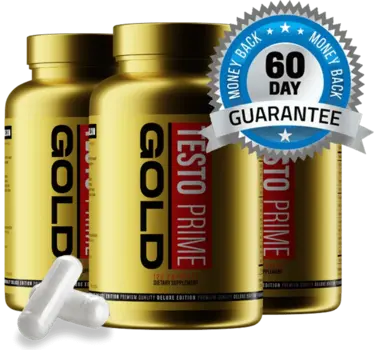
It builds on the original with enhanced ingredient forms for better absorption, plus added support for energy and vitality. Think of it as the original with the dial turned up.
👉 Read our full TestoPrime Gold review here for the side-by-side comparison and our verdict on whether the upgrade is worth it.
Provacyl: The Broader Vitality Option
Here’s where things get interesting. Provacyl is the one supplement on this list designed specifically for andropause — and it targets a second hormone the others don’t.
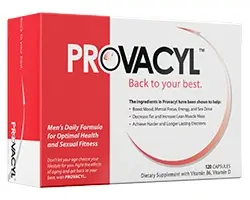
Provacyl is marketed as supporting both testosterone and growth hormone pathways, although
evidence that the finished formula meaningfully raises HGH or improves related symptoms is limited.
Its broader positioning may appeal to older men feeling the andropause squeeze on multiple fronts — but judge it primarily on its testosterone-support ingredients rather than the HGH claims.
Its blend includes ingredients like D-aspartic acid, muira puama, ginkgo biloba, L-arginine, and a mix of vitamins and minerals aimed at male vitality. Like the others, it’s a natural, non-prescription option with a money-back guarantee.
👉 Read our full Provacyl review here to see the complete ingredient list, how the HGH support works, and current UK pricing.
TestoPrime vs TestoPrime Gold vs Provacyl
| Feature | TestoPrime | TestoPrime Gold ⭐ | Provacyl 🌿 |
|---|---|---|---|
| Best for | Men 30–45 | Men 45+ / stronger support | Testosterone (broader positioning) |
| Main focus | Testosterone | Testosterone (enhanced) | Marketed for T and + HGH pathways |
| Standout benefit | Transparent, high-dose formula | Better absorption | Marketed for T and HGH pathways |
| Guarantee | Money-back | Money-back | Money-back |
| Prescription needed | No | No | No |
| UK availability | Yes | Yes | Yes |
| Read Review → | Read Review → | Read Review → |
One honest caveat: supplements support your body’s own production — they won’t replicate medical treatment for a man with genuinely clinical deficiency. But combined with lifestyle changes, they can be exactly the nudge grey-zone men need.
When to See a Doctor (and What TRT Involves)
Natural approaches are powerful, but they’re not always enough. If your levels are consistently below 8 nmol/L, your symptoms are significant, and you’ve honestly tried the lifestyle route for three to six months — it’s time to talk to your GP.
Don’t self-medicate with grey-market gear from the gym. It’s unregulated, potentially dangerous, and often not even real testosterone.
A Quick Word on TRT
Testosterone replacement therapy (TRT) can be life-changing for men with genuine deficiency. But it’s a serious commitment worth understanding.
- It’s often long term, as your body reduces its own testosterone production while you’re on it.
- It can suppress fertility, a big deal if you want children
- It requires ongoing blood monitoring for haematocrit and PSA
- Private UK clinics typically charge £100–£160+ per month
None of this means TRT is bad. It means it deserves to be a considered decision, not a first move — which is exactly why the natural steps above come first.
(For a deeper dive, see our full guide to TRT alternatives in the UK)
Living Well Through Andropause: The Mindset Shift
Here’s something the symptom lists never mention. Andropause isn’t just a hormonal event — it often lands slap in the middle of midlife, alongside career pressure, ageing parents, and teenage kids.
That overlap matters. Sometimes what feels like “low testosterone” is really burnout, and sometimes it’s both tangled together.
So be kind to yourself through this. Talk to your partner, lean on your GP, and don’t suffer in silence out of some outdated idea that men just crack on.
The men who navigate andropause best treat it as a nudge — a prompt to finally fix the sleep, the training, and the stress they’d been ignoring for years.
For Partners: How to Bring It Up Without Bruising His Ego
A quick word for anyone who landed here worried about their partner rather than themselves. You’re often the first to spot the changes — the shorter fuse, the flatter mood, the lost spark — long before he’ll admit anything’s up.
Raising it is delicate, because for a lot of men this touches on identity and pride. Lead with care, not a diagnosis.
- Focus on how he feels, not what’s “wrong.” Try “you’ve seemed really tired and flat lately — are you okay?” rather than “I think your testosterone’s low.”
- Frame it as common and fixable. Millions of men experience this, and much of it responds to simple changes — that takes the shame out of it.
- Suggest a check-up, not a self-diagnosis. A simple blood test rules things in or out, and it’s an easy, non-threatening first step.
- Offer to do it together. Booking the GP, tweaking the diet, or starting a walking habit as a team lands far better than nagging.
- Pick your moment. A calm, private evening beats the middle of an argument or a stressful morning.
And gently keep an eye out for low mood that tips into something heavier. If he seems genuinely depressed rather than just flat, encourage him to speak to his GP — this can be as much about mental health as hormones.
FAQs: Male Menopause in the UK
Is the male menopause real?
Yes and no. Men don’t experience a sudden hormonal drop like women do, but testosterone does decline gradually with age, and for some men this causes real, quality-of-life-affecting symptoms. Doctors call it andropause or late-onset hypogonadism.
At what age does andropause start?
Testosterone begins dropping around 1–2% a year (the NHS estimates roughly 1% annually from age 30–40). Symptoms, when they appear, most commonly show up in the 50s and 60s, though some men notice changes earlier.
Can I fix low testosterone naturally?
Often, yes — particularly if you’re in the grey zone. Weight loss, resistance training, better sleep, vitamin D, and stress management all have solid evidence behind them, and combining these with a quality supplement can make a real difference. Men with clinically low levels may still need medical care.
What’s the difference between andropause and just getting older?
Getting older involves a gentle testosterone decline that many men barely notice. Andropause is when that decline produces genuine symptoms — fatigue, low libido, mood changes — that affect daily life and warrant attention.
Will the NHS treat low testosterone?
The NHS typically treats men with levels consistently below around 8 nmol/L alongside clear symptoms. Men in the 8–12 nmol/L grey zone are often declined, which is why many turn to lifestyle changes and supplements first.
Do testosterone supplements actually work?
Quality supplements with clinically dosed ingredients (D-aspartic acid, ashwagandha, zinc, vitamin D) can support your body’s own testosterone production. They won’t replicate medical treatment, but for grey-zone men combined with lifestyle changes, they’re a legitimate, low-risk option.
Conclusion: Take Back Control, Naturally
So, the male menopause is real — even if the name isn’t perfect. Testosterone declines with age, and for some men that decline brings symptoms worth taking seriously.
But here’s the empowering bit. So much of andropause is within your control.
Sort your sleep. Lift weights. Drop the belly fat, top up your vitamin D, and rein in the booze. These aren’t just testosterone fixes — they’re a blueprint for feeling better full stop.
If symptoms persist or testosterone results are repeatedly low or borderline, speak to your GP while making these lifestyle changes rather than waiting for them to work first.
And if you want an extra edge, a quality supplement like TestoPrime, TestoPrime Gold, or Provacyl offers clinically studied support without prescriptions, needles, or lifelong commitment.
References
- NHS — The ‘male menopause’. Overview of andropause symptoms and when to see a GP.
- NHS — Vitamin D (Vitamins and minerals). Guidance on supplementing October to early March in the UK.
- NHS — Alcohol units. The 14-units-per-week low-risk drinking guideline.
- Hackett, G. et al. (2023). The British Society for Sexual Medicine (BSSM) Guidelines on Male Adult Testosterone Deficiency, with Statements for Practice. World Journal of Men’s Health.
- Wu, F.C. et al. (2010). Identification of late-onset hypogonadism in middle-aged and elderly men. New England Journal of Medicine, 363, 123–135 (European Male Ageing Study).
- Leproult, R. & Van Cauter, E. (2011). Effect of 1 week of sleep restriction on testosterone levels in young healthy men. JAMA, 305(21), 2173–2174.
- Harman, S.M. et al. (2001). Longitudinal effects of aging on serum total and free testosterone levels in healthy men. Baltimore Longitudinal Study of Aging. Journal of Clinical Endocrinology & Metabolism, 86(2), 724–731. https://doi.org/10.1210/jcem.86.2.7219
This article is for informational purposes only and isn’t medical advice. Always consult your GP before starting any supplement or treatment, especially if you have existing health conditions.

Tanveer Quraishi, author of Steroids 101 has extensive experience in the field of bodybuilding and has been writing online on various muscle-building and other health topics for many years now. He is not just interested in bodybuilding but is a great football player too. When he is not writing for his site or training at the gym, he loves to spend his time with this wife and kids.