
Testosterone Over 50 in the UK: How to Maintain Energy, Muscle and Vitality Naturally
✔️ Medically reviewed by Dr. Joseph Nightingale, MBBS, MSc — Updated August 2026
Turning 50 doesn’t mean waving goodbye to energy, muscle, and drive — whatever the adverts might imply. But it does mean your testosterone needs a bit more looking after.
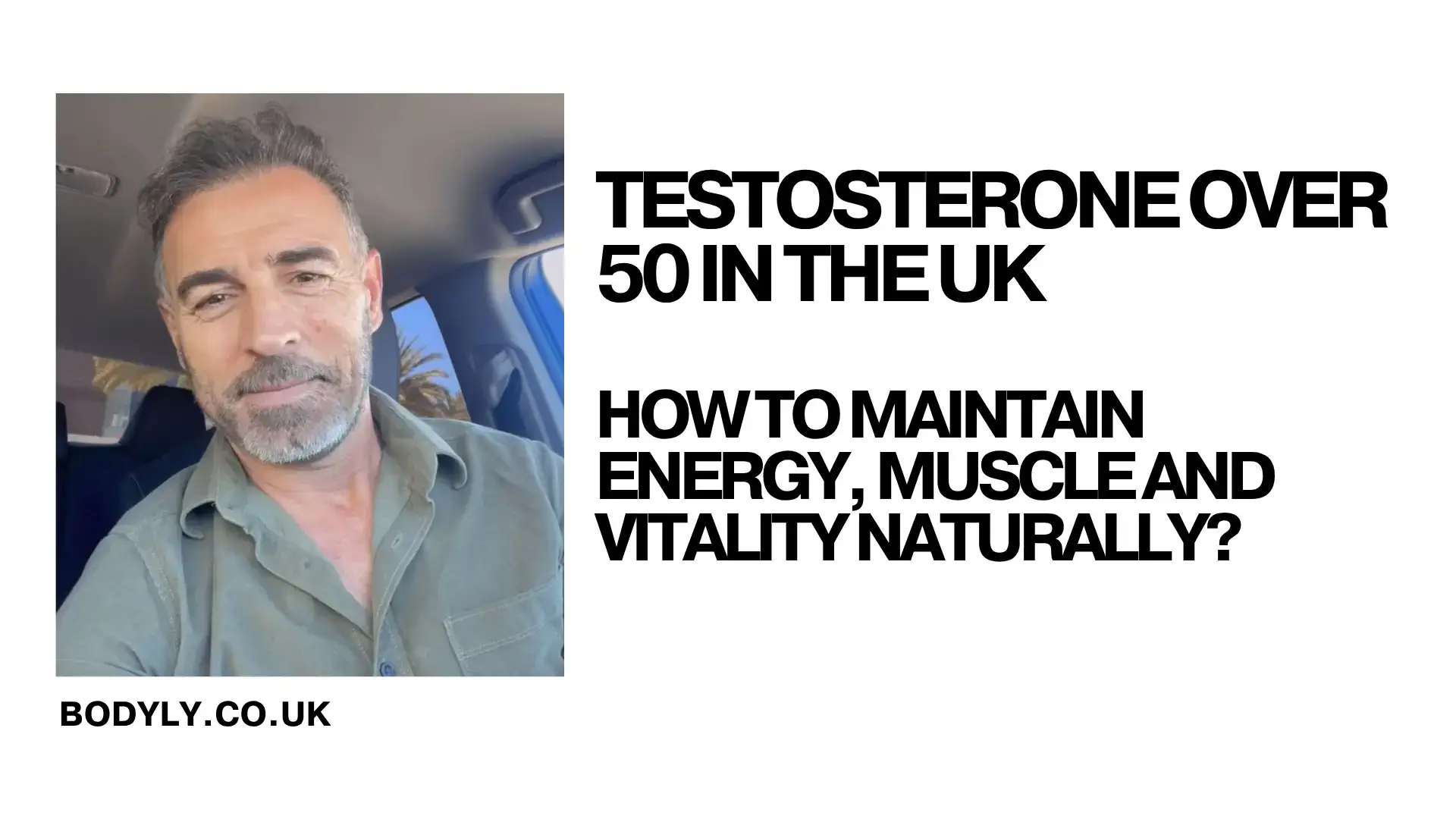
By 50, most men’s testosterone has been quietly slipping for over a decade — the NHS puts the decline at around 1% a year from your 30s or 40s, with some studies recording drops closer to 2% in men carrying excess weight or health conditions [1].
This guide is all about the natural side — how to hold on to your vitality after 50 without reaching straight for a prescription.
What Happens to Testosterone After 50?
Here’s the reality. Testosterone peaks in your late teens and twenties, then declines gradually for the rest of your life.
By the time you hit 50, levels are typically well down from their peak — and for some men, low enough to cause real symptoms. Doctors call this age-related low testosterone or, more loosely, the “male menopause.”
But here’s what the doom-mongers miss. That decline isn’t purely about age — it’s heavily influenced by lifestyle, weight, sleep, and health. Two 55-year-olds can have wildly different levels.
Which means the number on your blood test isn’t fixed. For a lot of men over 50, the right changes can nudge it meaningfully in the right direction.
Illustrative Testosterone Ranges by Age (UK)
| Age Range | Illustrative Total Testosterone (nmol/L) |
|---|---|
| 20s–30s | Around 15–30 |
| 40s | Often 13–25 |
| 50s | Often 11–22 |
| 60s+ | Often 9–20 |
These are broad illustrative ranges, not diagnostic cut-offs — and individual variation is enormous. In fact, UK Biobank research following men aged 40–69 found that average total testosterone stays relatively stable with age in men who remain metabolically healthy; much of the “age-related” decline tracks with weight gain and conditions like type 2 diabetes rather than the calendar itself [7]. What matters is how you feel alongside the number — and in the UK, below roughly 8–12 nmol/L with symptoms is where doctors start paying attention.
Typical Testosterone Levels by Age (UK)
Approximate mid-range total testosterone, in nmol/L
Figures are approximate mid-range values for illustration, not diagnostic thresholds. Individual levels vary widely with health, weight, sleep and lifestyle — which is exactly why much of the decline is within your control.
Testosterone in Your 50s, 60s and 70s: What to Expect
“Over 50” covers a lot of ground, and what’s worth focusing on shifts as the decades pass. Here’s a rough map.
In your 50s. This is often when men first notice the decline properly — energy dips, recovery slows, the middle thickens. It’s also the decade where lifestyle changes pay off most, so it’s the best time to act.
In your 60s. Testosterone deficiency becomes more common, and other factors — heart health, blood sugar, joint wear — start sharing the stage. The priority shifts towards protecting muscle, staying active, and getting properly checked if symptoms bite.
In your 70s and beyond. The goal changes from “optimising” to “preserving” — holding on to strength, balance, and independence. Muscle maintenance and staying mobile matter far more than chasing a number on a blood test.
| Decade | What Tends to Change | Main Priority |
|---|---|---|
| 50s | First clear dips in energy, recovery, body composition | Act early — lifestyle changes |
| 60s | Higher deficiency risk, wider health factors emerge | Protect muscle, get checked |
| 70s+ | Focus shifts to preserving strength and independence | Maintain mobility and muscle |
Signs of Low Testosterone Over 50
The tricky part is that low-T symptoms are easy to write off as “just getting older.” But feeling flat at 55 is not something you simply have to accept.
Watch for these, especially if several show up together.
- Persistent fatigue, even after a full night’s sleep
- Loss of muscle and strength despite staying active
- Stubborn weight gain, particularly around the middle
- Lower libido and weaker erections
- Low mood, irritability, or a flatter emotional range
- Brain fog and slipping concentration
- Poorer sleep or new-onset insomnia
- A general loss of drive and “get up and go”
One or two of these on their own could be anything. But a cluster of them, hanging around for weeks, is worth investigating properly rather than shrugging off.
If a lot of these symptoms sound familiar, they’re part of a bigger picture worth understanding — our full guide to male menopause in the UK explains what andropause actually is and how to manage it.
Should You Get Tested?
Short answer: if symptoms are affecting your life, yes. Guessing helps nobody.
In the UK you’ve got two routes. Your GP can arrange a testosterone blood test on the NHS, or you can use a private finger-prick kit from providers like Medichecks or Thriva for around £30–£60.
Timing is everything here. Testosterone peaks in the morning, so test between 7am and 11am, ideally fasted — an afternoon test can make normal levels look alarmingly low.
And one test is never enough for a diagnosis. You’ll want at least two low morning readings, plus matching symptoms, before drawing any conclusions.
| Result (Total Testosterone) | What It Generally Means |
|---|---|
| Above 12 nmol/L | Usually considered normal |
| 8–12 nmol/L | “Grey zone” — worth addressing if symptomatic |
| Below 8 nmol/L | Testosterone deficiency likely — see your GP |
How to Maintain Testosterone Naturally After 50
Right, this is the heart of it. The encouraging truth is that the fundamentals work at any age — and over 50, they matter more than ever.
None of these are glamorous. But stacked together, they’re genuinely powerful.
1. Prioritise Strength Training
If there’s one non-negotiable after 50, it’s lifting weights. Resistance training is one of the most reliable natural testosterone supports we know of, and it fights the muscle loss that accelerates with age.
You don’t need to train like a 25-year-old. Two to three focused sessions a week, working the big compound movements, does the job.
Bonus: building muscle also improves insulin sensitivity and bone density, both of which matter more each decade.
2. Lose the Belly Fat
This one’s huge over 50. Abdominal fat contains aromatase, an enzyme that converts your testosterone into oestrogen — so the more belly fat, the lower your T tends to run.
Losing even 10% of your body weight can meaningfully lift testosterone. For many men over 50, this single change makes the biggest difference of all.
3. Protect Your Sleep
Sleep gets lighter and more broken with age, which is a problem — because most testosterone is produced during deep sleep. A run of bad nights measurably lowers levels.
Aim for seven to nine hours, keep a consistent schedule, and take snoring seriously. Sleep apnoea is common and underdiagnosed in older UK men, and it’s strongly linked to low testosterone.
4. Eat to Support Your Hormones
Crash diets and very low-fat eating both suppress testosterone. After 50, protein becomes especially important, since older muscle is harder to build and easier to lose.
A few nutrients matter more than the rest — particularly given the UK’s grey skies and the fact that deficiencies become more common with age.
| Nutrient | Why It Matters Over 50 | UK Note |
|---|---|---|
| Vitamin D | Low levels linked to low T | NHS advises supplementing Oct–Mar |
| Zinc | Essential for T production | Found in meat, shellfish |
| Magnesium | Supports free testosterone, sleep | Many older adults fall short |
| Protein | Preserves ageing muscle | Aim for ~1.6g per kg bodyweight |
| Healthy fats | Building blocks for hormones | Eggs, olive oil, oily fish |
5. Manage Stress and Cortisol
Chronic stress keeps cortisol elevated, and cortisol and testosterone work on a see-saw. Retirement worries, health concerns, caring for elderly parents — midlife stress is real and it takes a hormonal toll.
You don’t need to meditate on a mountain. Daily walks, time outdoors, and protecting your downtime all genuinely help.
6. Rein In the Alcohol
The after-work pints add up, especially over 50. Regular heavy drinking suppresses testosterone and nudges more of it towards oestrogen.
You needn’t go dry. But staying within the NHS guideline of 14 units a week makes a real, measurable difference.
The Real Priority Over 50: Protecting Your Muscle
Here’s something most testosterone articles bury, and it’s arguably the most important thing on this whole page. After 50, the biggest threat to your vitality isn’t low libido — it’s muscle loss.
The medical term is sarcopenia: the age-related loss of muscle mass and strength. From around 50, men can lose roughly 1–2% of muscle a year if they do nothing about it [8], and falling testosterone is part of why.
This matters far beyond the mirror. Muscle is what keeps you strong, mobile, and independent as you age — it protects against falls, supports your metabolism and blood sugar, and is strongly linked to living well for longer.
And here’s the empowering bit. Muscle is remarkably responsive to training at any age, including your 60s and 70s. You can absolutely build and hold strength well into later life.
Two things make the biggest difference:
- Resistance training — lifting, resistance bands, or bodyweight work, two to three times a week. This is the single most powerful signal telling your body to keep its muscle.
- Enough protein — older muscle is “anabolically resistant,” meaning it needs more protein to respond. Aim for around 1.6g per kg of bodyweight, spread across the day, not all in one meal.
Support your testosterone naturally and you help this process along. But the training and protein do the heavy lifting — literally. If you take one action from this article, make it picking up something heavy a few times a week.
Before You Start: When to Check With Your GP First
A quick but important word, because over-50s are more likely to have health conditions that change the picture. Most of the advice here is safe and beneficial for the vast majority of men — but a few situations warrant a chat with your GP before you dive in.
Please speak to your doctor first if any of these apply to you:
- You have a heart condition, or get chest pain, breathlessness, or palpitations on exertion
- You have a history of prostate cancer, or a raised PSA, before considering testosterone-boosting supplements or TRT
- You take regular medication — some supplements can interact (blood thinners and blood-pressure meds especially)
- You have diabetes, kidney, or liver conditions
- You’ve been largely inactive and plan to start intense exercise — a check-up first is sensible
This isn’t about scaremongering. It’s that the smartest version of “getting your vitality back” starts with making sure the plan is safe for your body — and your GP can help you tailor it.
Natural Testosterone Supplements for Men Over 50
Once the lifestyle basics are locked in, a quality testosterone support supplement can be a sensible next step — particularly for men over 50 sitting in that grey zone the NHS often won’t treat.
The best formulas combine clinically studied ingredients like D-aspartic acid, ashwagandha, fenugreek, zinc, and vitamin D. For the over-50s specifically, three UK-available options stand out.
TestoPrime: The Reliable All-Rounder
TestoPrime is one of the most popular natural testosterone supplements among UK men. It packs 12 ingredients, including a strong 2,000mg dose of D-aspartic acid, KSM-66 ashwagandha, fenugreek, and panax ginseng.
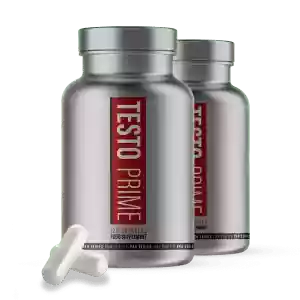
The highlights: transparent doses, GMP-certified manufacturing, and a lifetime money-back guarantee. It’s a strong general-purpose choice for men in their 50s wanting to support energy, drive, and gym performance.
TestoPrime Gold: Built for Older Men
TestoPrime Gold is the upgraded formula aimed squarely at the over-50s — the age group where andropause symptoms tend to bite hardest. It builds on the original with enhanced ingredient forms for better absorption, plus extra support for energy and vitality.
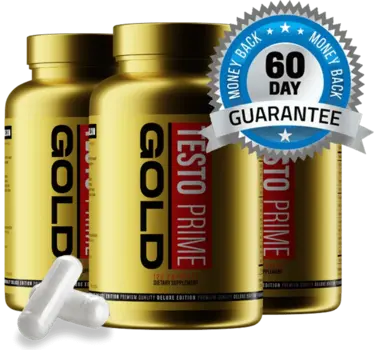
If you’re over 50 and feeling the decline more sharply, Gold is the natural pick of the two. Think of it as the original with the dial turned up for your stage of life.
Provacyl: Marketed for Testosterone and Growth Hormone Pathways
Provacyl is worth knowing about because it’s positioned differently from the others. Alongside supporting testosterone, it’s marketed as supporting the body’s growth-hormone pathways — HGH being another hormone that declines with age. It’s worth being upfront, though: while some individual ingredients have been studied, evidence that the finished formula meaningfully raises HGH or improves related symptoms is limited.
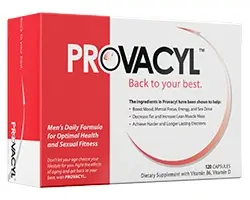
That broader positioning may appeal to men over 50 — just weigh it as a testosterone-support supplement first, with the HGH angle as unproven marketing rather than a proven second benefit. Its blend includes D-aspartic acid, muira puama, ginkgo biloba, and L-arginine, and like the others it’s a natural, non-prescription option with a money-back guarantee.
👉 Read our full Provacyl review here to see how the HGH support works and current UK pricing.
Which One Is Right for You?
| Supplement | Best For | Standout Feature | Our Review |
|---|---|---|---|
| TestoPrime | Men 50+ wanting general support | Transparent, high-dose formula | Read Review → |
| TestoPrime Gold ⭐ | Men 50+ wanting stronger support | Enhanced absorption for older men | Read Review → |
| Provacyl 🌿 | Men 50+ wanting broader vitality support | Marketed for T and HGH pathways | Read Review → |
One honest caveat: supplements support your body’s own production — they won’t replicate medical treatment for a man with genuinely clinical deficiency. But combined with the lifestyle changes above, they can be exactly the nudge many over-50s need.
When to See Your GP About TRT
Natural approaches are powerful, but they’re not always enough. If symptoms are significant or your testosterone is repeatedly low, speak to your GP while working on the lifestyle factors above.
Testosterone replacement therapy (TRT) can be genuinely life-changing for men with real deficiency. But it’s a serious commitment worth understanding.
- It’s usually for life — your body stops making its own testosterone
- It requires ongoing blood monitoring for haematocrit and PSA
- It can affect fertility (less of a concern for many over 50, but worth noting)
- Private UK clinics typically charge £100–£160+ per month
And never buy testosterone from unregulated sources. Go through your GP, or a properly regulated UK clinic with medical oversight.
(For more, see our full guide to TRT alternatives in the UK.)
Beyond Testosterone: The Bigger Vitality Picture
Here’s a truth the supplement adverts skip. Feeling great over 50 isn’t only about one hormone — it’s about the whole system working well.
Muscle, energy, mood, and libido all depend on more than testosterone alone. Cardiovascular health, thyroid function, blood sugar, and mental wellbeing all feed into how vital you feel.
So while it’s smart to support your testosterone, don’t tunnel-vision on it. The habits in this article — training, sleep, good food, less booze — happen to be the exact same habits that protect your heart, brain, and healthspan.
That’s the quiet win here. Look after your testosterone naturally, and you’re really looking after your whole future.
Conclusion: Age Is Not the End of Vitality
So no — turning 50 is not when energy, muscle, and drive pack up and leave. For most men, the decline is far more about lifestyle than the calendar.
Lift weights. Guard your sleep. Drop the belly fat, sort your vitamin D, eat enough protein, and keep the pints in check. These aren’t just testosterone fixes — they’re a blueprint for ageing well, full stop.
And if you want an extra edge, a quality supplement like TestoPrime, TestoPrime Gold, or Provacyl offers clinically studied support without prescriptions or needles — with Gold and Provacyl built specifically with older men in mind.
Give the natural route an honest 90 days before anything drastic. Your energy, your strength, and your future self will thank you for it.
Frequently Asked Questions
Is low testosterone normal after 50?
Some decline is completely normal — estosterone falls by roughly 1% a year from your 30s or 40s, sometimes faster. But feeling genuinely fatigued, weak, or low isn’t something you have to accept; much of it responds to lifestyle changes, and persistent symptoms deserve a blood test.
Can I increase testosterone naturally at 50?
Often, yes. Strength training, losing belly fat, better sleep, vitamin D, and stress management all have solid evidence behind them, and combining these with a quality supplement can make a real difference — especially if you’re in the grey zone rather than clinically deficient.
What is a normal testosterone level for a man over 50?
There’s no single “normal,” but many men in their 50s sit somewhere around 11–22 nmol/L total testosterone. In the UK, doctors generally consider below 8–12 nmol/L, alongside symptoms, as worth treating.
Do testosterone supplements work for men over 50?
Quality supplements with clinically dosed ingredients (D-aspartic acid, ashwagandha, zinc, vitamin D) can support your body’s own production. They won’t replicate medical treatment, but for grey-zone men over 50 combined with lifestyle changes, they’re a legitimate, low-risk option.
Which is better for over-50s, TestoPrime or TestoPrime Gold?
TestoPrime Gold is the formula designed specifically for older men, with enhanced absorption and extra vitality support, so it’s generally the better pick over 50. The original TestoPrime is still a strong, more affordable all-rounder.
When should I see a doctor about low testosterone?
If your symptoms are significant, you’ve tried lifestyle changes for a few months, and a morning blood test comes back consistently low (especially below 8 nmol/L), it’s time to speak to your GP.
References
- NHS — The ‘male menopause’. Overview of age-related low testosterone and when to see a GP.
- NHS — Vitamin D (Vitamins and minerals). Guidance on supplementing October to early March in the UK.
- NHS — Alcohol units. The 14-units-per-week low-risk drinking guideline.
- Hackett, G. et al. (2023). The British Society for Sexual Medicine (BSSM) Guidelines on Male Adult Testosterone Deficiency. World Journal of Men’s Health.
- Wu, F.C. et al. (2010). Identification of late-onset hypogonadism in middle-aged and elderly men. New England Journal of Medicine, 363, 123–135 (European Male Ageing Study).
- Leproult, R. & Van Cauter, E. (2011). Effect of 1 week of sleep restriction on testosterone levels in young healthy men. JAMA, 305(21), 2173–2174.
- Marriott, R.J. et al. (2022). Longitudinal changes in serum testosterone and sex hormone-binding globulin in men aged 40–69 years from the UK Biobank.
- Clinical Endocrinology, 97(2). Cruz-Jentoft, A.J. et al. (2019). Sarcopenia: revised European consensus on definition and diagnosis (EWGSOP2). Age and Ageing, 48(1), 16–31.
Disclaimer: This article is for informational purposes only and isn’t medical advice. Always consult your GP before starting any supplement or treatment, especially if you have existing health conditions.

Tanveer Quraishi, author of Steroids 101 has extensive experience in the field of bodybuilding and has been writing online on various muscle-building and other health topics for many years now. He is not just interested in bodybuilding but is a great football player too. When he is not writing for his site or training at the gym, he loves to spend his time with this wife and kids.