
Oestrogen Dominance in Men UK: Causes, Symptoms and How to Naturally Restore Balance
Most blokes have never been told they even make oestrogen — let alone that having too much of it could be quietly wrecking how they feel. Yet for a growing number of British men, that’s exactly what’s going on.
Stubborn man-boobs, a belly that won’t shift, a flat mood, and a libido gone quiet. It’s easy to blame age or stress — but sometimes the real culprit is a hormone most men associate only with women.
This guide breaks it all down in plain English: what oestrogen dominance is, why it’s on the rise in the UK, and how to naturally tip the balance back in your favour.
What Is Oestrogen Dominance in Men?
Let’s clear up the biggest misunderstanding first. Oestrogen isn’t a “female hormone” that men should have none of — every man needs some for healthy bones, brain, and heart.
The problem isn’t oestrogen itself. It’s the balance between oestrogen and testosterone getting tipped the wrong way.
Oestrogen dominance means your oestrogen has grown too high relative to your testosterone. And here’s the sneaky part — this can happen even when your testosterone reading looks “normal” on paper.
Think of it as a see-saw. It’s not just about how much oestrogen is on one end; it’s about whether testosterone on the other end is heavy enough to keep things level.
The Hormonal See-Saw
Oestrogen dominance is about the balance tipping — not oestrogen itself
When testosterone drops or oestrogen rises, the see-saw tips — and that imbalance, not oestrogen alone, drives the symptoms. The natural steps in this article aim to level it back out.
Where Does a Man’s Oestrogen Come From?
Most of it comes from your own testosterone, converted by an enzyme called aromatase. This conversion is normal and necessary — the trouble starts when it runs into overdrive.
The single biggest driver of that overdrive? Body fat. Fat tissue is packed with aromatase, so the more you carry — especially around the middle — the more testosterone gets turned into oestrogen.
Which creates a nasty loop: more fat means more oestrogen, more oestrogen means more fat. Breaking that cycle is the heart of what this guide is about.
Is It Oestrogen Dominance — or Just Low Testosterone?
This is the question almost no article answers clearly, and it matters enormously. The two conditions share nearly identical symptoms, but they’re not the same thing.
Low testosterone means your body simply isn’t producing enough. Oestrogen dominance means the ratio has tipped, even if production is okay.
Often they overlap — low testosterone and high oestrogen frequently travel together. But knowing which is driving your symptoms shapes what you do about it.
| Clue | Points more towards… |
|---|---|
| Man-boobs (glandular tissue), water retention, puffiness | Oestrogen dominance |
| Purely low energy, low drive, no “puffy” signs | Low testosterone |
| Normal testosterone on a test but still feeling off | Oestrogen dominance (check the ratio) |
| Symptoms alongside significant belly/chest fat | Often both together |
The only way to know for sure is a blood test that measures both hormones — which we’ll come to. But recognising the oestrogen-heavy pattern is the first clue.
Symptoms of Oestrogen Dominance in Men
Oestrogen dominance is a master of disguise. Its symptoms creep in slowly and get blamed on everything except hormones.
They tend to cluster in a few areas. See how many feel familiar.
The Physical Tell-Tale Signs
- “Man boobs” — soft chest tissue, or firmer glandular tissue behind the nipple (gynaecomastia)
- Stubborn fat around the belly, chest, and hips that resists diet and training
- A soft, puffy, watery look despite putting in gym hours
- Muscle that’s harder to build and easier to lose
Sexual and Reproductive Signs
- Libido that’s dropped off a cliff
- Weaker erections or performance issues
- Reduced fertility (oestrogen interferes with the signals that make sperm)
The Mental and Energy Signs
- Brain fog and trouble concentrating
- Mood swings, irritability, or a shorter fuse
- Low mood or a flat, joyless feeling
- Fatigue that sleep doesn’t fix
One or two of these could be anything. But a cluster of them — especially the puffy, soft, chesty physical signs alongside low drive — is a classic oestrogen-dominant picture worth investigating.
What Causes Oestrogen Dominance in Men? The UK Picture
Oestrogen dominance rarely has one cause. It’s usually several things stacking up — some raising oestrogen, some lowering testosterone, often both at once.
What Raises Oestrogen Most in Men
Relative impact of common drivers — most are within your control
Illustrative comparison of relative impact, not precise clinical measurements. The takeaway: the biggest oestrogen drivers — fat, alcohol, chemical load — are ones you can change.
Here’s what’s driving it, with a few factors that hit British men particularly hard.
1. Carrying Too Much Weight
This is the big one. Belly fat is an oestrogen factory, converting your testosterone into oestrogen around the clock.
With UK obesity rates among the highest in Europe, this is the number-one driver for most men — and the most fixable.
2. Everyday Chemical Exposure (Xenoestrogens)
This is the factor most men have never heard of. Xenoestrogens are man-made chemicals that mimic oestrogen in the body, and modern life is soaked in them.
- Plastics — BPA and similar compounds in bottles, food containers, and till receipts
- Personal care products — parabens and phthalates in shampoos, deodorants, and aftershave
- Non-organic food — some pesticide residues have oestrogen-like effects
- Heating food in plastic — a big one, as heat leaches chemicals into your meal
No single exposure is a disaster. It’s the daily, cumulative load over years that quietly adds up.
The good news: you can cut your exposure meaningfully with a handful of easy swaps. Here’s a practical, room-by-room guide.
| Where | ✕ Swap This… | ✓ …For This |
|---|---|---|
| Kitchen | ✕Plastic food containers | ✓Glass or stainless steel |
| Kitchen | ✕Microwaving food in plastic | ✓Glass or ceramic (never heat plastic) |
| Kitchen | ✕Cling film on hot food | ✓Let it cool first, or use a lid |
| Bathroom | ✕Products with parabens/phthalates | ✓Simpler “free-from” toiletries |
| Bathroom | ✕Heavily fragranced deodorant/aftershave | ✓Fragrance-free or natural options |
| Drinks | ✕Plastic water bottles | ✓A refillable glass or steel bottle |
| Shopping | ✕Handling till receipts often | ✓Decline the receipt or go paperless |
| Food | ✕Highest-pesticide produce | ✓Organic where budget allows; wash well |
3. The British Drinking Culture
Sorry, but the pints are a real problem here. Alcohol increases aromatase activity in the liver and hampers the liver’s ability to clear excess oestrogen.
Given how central drinking is to UK social life, this is a factor many men seriously underestimate.
4. Chronic Stress
Long-term stress keeps cortisol high, which suppresses testosterone and burdens the liver and gut — the very systems that clear excess oestrogen.
5. A Struggling Liver and Gut
Your liver and gut are your oestrogen disposal system. If they’re overloaded — by booze, poor diet, or processed food — used oestrogen gets recycled back into circulation instead of being cleared out.
6. Nutrient Gaps
Low zinc, vitamin D, and magnesium all tilt the balance the wrong way. Zinc in particular acts as a natural brake on aromatase, and deficiency is common.
How to Get Tested in the UK
You can’t manage what you haven’t measured — and crucially, a standard testosterone-only test won’t catch oestrogen dominance. You need to see both hormones.
What to Ask For
The key markers are total testosterone, free testosterone, oestradiol (the main oestrogen), and SHBG. It’s the relationship between them — not any single number — that tells the real story.
One technical but important point: ask whether a sensitive oestradiol assay is available. Standard assays are calibrated for female-range levels and can be imprecise for men.
Your Routes
In the UK, you’ve got two options. Your GP can run some of these on the NHS, though getting oestradiol tested can be hit-and-miss, as many GPs focus on testosterone alone.
Alternatively, private providers like Medichecks or Thriva offer at-home finger-prick “male hormone” panels (roughly £50–£100) that include oestradiol and SHBG. Test in the morning, ideally fasted, for the most accurate reading.
| Marker | What It Tells You |
|---|---|
| Total testosterone | How much testosterone you’re producing |
| Free testosterone | How much is actually usable by your body |
| Oestradiol (sensitive assay) | How much oestrogen you’re running |
| SHBG | How much testosterone is “locked up” and unavailable |
How to Naturally Restore Balance: The Foundations
Here’s the encouraging bit. For most men, oestrogen dominance responds brilliantly to natural changes — because the root causes are mostly lifestyle, and lifestyle is fixable.
The goal is simple: lower excess oestrogen, support your body’s ability to clear it, and lift testosterone so the see-saw tips back. Here’s how.
1. Lose the Belly Fat (The Master Lever)
If you do one thing, make it this. Since fat tissue is your main oestrogen factory, losing it attacks the problem at its source.
Every bit of fat lost means less aromatase, which means less testosterone converted to oestrogen. No supplement can match this in an overweight man.
2. Lift Heavy Things
Resistance training raises testosterone and builds the muscle that improves your whole metabolic picture. Compound lifts — squats, deadlifts, presses — give the biggest hormonal bang.
Two to four sessions a week is plenty. You’re aiming for consistency, not heroics.
3. Cut Your Chemical Load
You can meaningfully lower your daily xenoestrogen exposure with a few easy swaps.
- Switch plastic bottles and containers for glass or stainless steel
- Never microwave food in plastic — use glass or ceramic
- Choose simpler personal care products (fewer parabens and phthalates)
- Buy organic for the highest-pesticide fruit and veg where you can
4. Rein In the Alcohol
Given its double hit on oestrogen, cutting back is one of the highest-impact changes for British men. You don’t have to go teetotal — staying within the NHS guideline of 14 units a week makes a real difference.
5. Support Your Liver and Gut
Help your body’s disposal system do its job. Load up on fibre (it binds oestrogen in the gut for removal) and cruciferous veg like broccoli, cauliflower, and Brussels sprouts, which support healthy oestrogen metabolism.
6. Fix Sleep and Stress
Both directly affect the hormonal see-saw. Aim for seven to nine hours, and find your own way to keep stress in check — walks, downtime, less late-night screen time.
Foods That Help vs Foods That Hurt
| ✓ Eat More Of | ✕ Cut Back On |
|---|---|
| ✓Cruciferous veg (broccoli, kale, sprouts) | ✕Alcohol |
| ✓High-fibre foods (oats, beans, veg) | ✕Ultra-processed foods |
| ✓Zinc-rich foods (shellfish, red meat, seeds) | ✕Excess sugar |
| ✓Healthy fats (eggs, olive oil, oily fish) | ✕Food heated in plastic |
Natural Supplements for Oestrogen Balance
Once your lifestyle foundations are in place, the right supplement can give your hormones an extra nudge — especially if you’re tackling both low testosterone and high oestrogen at once.
The most useful approach for most men is one that supports healthy testosterone, since a stronger testosterone level naturally improves the ratio. A couple of UK-available options stand out.
TestoPrime: Support the Testosterone Side of the See-Saw
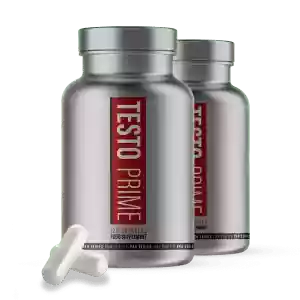
TestoPrime is one of the most popular natural testosterone supplements among UK men, and it’s a smart fit here because lifting testosterone is half the battle in restoring balance. It packs 12 ingredients, including a strong 2,000mg dose of D-aspartic acid, KSM-66 ashwagandha, fenugreek, zinc, and panax ginseng.
Two ingredients are especially relevant to oestrogen balance: zinc, which acts as a natural brake on aromatase, and ashwagandha, which lowers the cortisol that worsens the whole picture. Add transparent dosing and a lifetime money-back guarantee, and it’s a sensible starting point.
👉 Read our full TestoPrime review here for the ingredient breakdown, user results, and current UK pricing.
TestoPrime Gold: For Older Men or Stronger Support
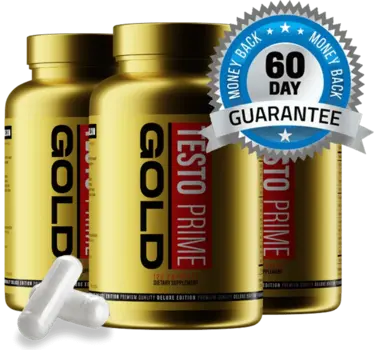
TestoPrime Gold is the upgraded formula with enhanced absorption and extra vitality support, aimed at older men — useful if you’re over 45 and feeling the oestrogen-dominant shift more sharply.
👉 Read our full TestoPrime Gold review here for the comparison and whether it’s worth the upgrade.
A Note on DIM and Zinc
You’ll see DIM (a compound from cruciferous veg) heavily marketed for oestrogen. It has a role in supporting healthy oestrogen metabolism, and getting plenty of cruciferous veg is genuinely helpful.
But for most men, the bigger wins come from raising testosterone and losing fat — which is why a testosterone-supporting approach, plus the dietary steps above, tends to move the needle more than a DIM pill alone.
| Supplement | Best For | Standout Feature | Our Review |
|---|---|---|---|
| TestoPrime | Restoring balance via testosterone support | Zinc + ashwagandha, transparent doses | Read Review → |
| TestoPrime Gold ⭐ | Men 45+ wanting stronger support | Enhanced absorption | Read Review → |
One honest caveat: supplements support your body’s own processes — they won’t fix severe hormonal imbalance on their own. But paired with the lifestyle changes above, they can be exactly the nudge many men need.
When to See a Doctor
Natural approaches handle the vast majority of cases. But some men need medical input, and there’s no shame in that.
See your GP if you have significant gynaecomastia (especially if it’s new, painful, or one-sided), if symptoms are severe, or if you’ve given the natural route an honest few months without improvement.
For genuinely high oestradiol that won’t respond to lifestyle change, doctors have options like aromatase inhibitors — but these are prescription-only, need careful monitoring, and can cause real problems if oestrogen is pushed too low. They’re a medical decision, never a self-management tool.
Importantly, new or one-sided breast changes should always be checked by a doctor to rule out other causes.
(For related reading, see our guides to male menopause in the UK and TRT alternatives in the UK.
Special Cases: Does Your Situation Change Things?
Oestrogen dominance doesn’t look identical for everyone. Here’s how it tends to differ.
Younger men (under 35). Increasingly common, and almost always driven by weight, stress, and chemical exposure rather than age. The upside: it usually responds fast to lifestyle change.
Men over 40. As testosterone naturally dips but aromatase keeps working, the ratio shifts. This is when many men first feel the effects clearly.
Men on TRT. Adding testosterone gives aromatase more raw material to convert, so oestrogen management becomes an active part of a well-run protocol. This is a conversation for your prescribing clinic.
Gym-goers and bodybuilders. Bulking phases add fat (and aromatase), while anyone using anabolic compounds faces significant oestrogen swings — a whole separate level of management.
Conclusion: Tip the See-Saw Back in Your Favour
So, oestrogen dominance is real, it’s more common in British men than most realise, and it’s often hiding behind symptoms you’d never connect to hormones. But here’s the empowering part — it’s largely within your control.
Lose the belly fat. Cut your chemical load. Rein in the booze, lift weights, support your liver and gut, and sort your sleep. These aren’t just oestrogen fixes — they’re a blueprint for feeling like yourself again.
And if you want an extra edge, a natural supplement like TestoPrime or TestoPrime Gold supports the testosterone side of the balance, with zinc and ashwagandha working on the oestrogen side too.
Start with a proper blood test that measures both hormones, then give the natural route an honest 90 days. The see-saw can be tipped back — and your energy, mood, and confidence will thank you for it.
Frequently Asked Questions
Can men really have too much oestrogen?
Yes. Men naturally produce oestrogen and need some for healthy bones, brain, and heart — but when it rises too high relative to testosterone, it causes real problems like stubborn fat, low libido, mood changes, and gynaecomastia. It’s the balance that matters, not the presence of oestrogen itself.
What are the main signs of oestrogen dominance in men?
The classic cluster is soft chest or breast tissue (gynaecomastia), stubborn belly and chest fat, a puffy or watery appearance, low libido, mood swings, brain fog, and fatigue. The physical “puffy and soft” signs alongside low drive are particularly suggestive.
How do I test for oestrogen dominance in the UK?
You need a blood test that measures both testosterone and oestradiol (ideally a sensitive assay), plus free testosterone and SHBG. NHS GPs don’t always test oestradiol, so many men use private at-home panels from providers like Medichecks or Thriva, which typically cost £50–£100.
Can I lower oestrogen naturally?
For most men, yes. Losing belly fat, cutting alcohol, reducing everyday chemical (xenoestrogen) exposure, eating more fibre and cruciferous veg, and supporting testosterone with training all help tip the balance back naturally.
Does losing weight reduce oestrogen in men?
Significantly. Body fat contains aromatase, the enzyme that converts testosterone into oestrogen, so losing fat directly reduces oestrogen production. For overweight men, it’s the single most effective natural step.
Should I take DIM for oestrogen dominance?
DIM supports healthy oestrogen metabolism and getting plenty of cruciferous veg is genuinely helpful. However, for most men the bigger wins come from losing fat and supporting testosterone, so it’s best seen as one part of a wider approach rather than a standalone fix.
Is gynaecomastia always caused by oestrogen dominance?
Not always — and new, painful, or one-sided breast changes should always be checked by a doctor, as they can have other causes. Longstanding, soft, symmetrical chest tissue in an overweight man is more typically linked to hormonal balance.
References
- NHS — Gynaecomastia (enlarged breasts in men). Overview of causes and when to see a doctor.
- NHS — Vitamin D (Vitamins and minerals). Guidance on supplementing October to early March in the UK.
- NHS — Alcohol units. The 14-units-per-week low-risk drinking guideline.
- Hackett, G. et al. (2023). The British Society for Sexual Medicine (BSSM) Guidelines on Male Adult Testosterone Deficiency. World Journal of Men’s Health.
- Roberts, C.K. et al. (2013). Effect of diet and exercise on the hormonal profile of men. Relevant to lifestyle effects on sex hormones.
- Leproult, R. & Van Cauter, E. (2011). Effect of 1 week of sleep restriction on testosterone levels in young healthy men. JAMA, 305(21), 2173–2174.
This article is for informational purposes only and isn’t medical advice. Always consult your GP before starting any supplement or treatment, especially if you have existing health conditions or notice new breast changes.

Tanveer Quraishi, author of Steroids 101 has extensive experience in the field of bodybuilding and has been writing online on various muscle-building and other health topics for many years now. He is not just interested in bodybuilding but is a great football player too. When he is not writing for his site or training at the gym, he loves to spend his time with this wife and kids.
