
Testosterone Levels in Your 40s in the UK: What to Expect and What to Do
✔️ Medically reviewed by Dr. Joseph Nightingale, MBBS, MSc — Updated August 2026
Your 40s are a strange decade for a bloke. You’re often at the peak of your career and your responsibilities — yet your body starts sending signals that something’s shifting.

Here’s the reassuring part: your 40s are the single best window to get ahead of testosterone decline before it becomes a problem. Act now, and you can walk into your 50s in better shape than most men are at 40.
This guide is about exactly that — what’s normal, what’s not, and what to actually do about it.
Is Your Testosterone Really Dropping in Your 40s?
Short answer: a little, yes — but probably less than you think, and rarely enough to explain everything on its own.
Testosterone generally declines gradually between early adulthood and your 40s, although the rate varies considerably between individuals. To put numbers on it, the Cleveland Clinic lists typical levels of around 14.2–19.4 nmol/L at age 20–24, easing to roughly 12.1–16.4 nmol/L by 40–44 [7]. That’s real, but it’s a gentle slope, not a cliff.
Here’s the twist most articles miss. In your 40s, the bigger culprit is often life, not age. A decade of desk jobs, broken sleep, work stress, and expanding waistlines does more damage to your testosterone than the calendar does.
What Really Lowers Testosterone in Your 40s
Relative impact of common factors — the lifestyle ones are within your control
Illustrative comparison of relative impact, not precise clinical measurements. The takeaway: in your 40s, the biggest levers on your testosterone are the ones you can actually change.
That’s actually good news. Because unlike your age, all of those things are fixable.
What’s Typical in Your 40s?
| Measure | Total Testosterone |
|---|---|
| Men aged 40–49 (population median) | ~16 nmol/L |
| Middle 80% of men aged 40–49 (10th–90th percentile) | Roughly 10–25 nmol/L |
| UK “watch zone” | 8–12 nmol/L with symptoms |
| Likely deficiency | Below 8 nmol/L |
These population figures come from a large harmonised analysis of over 9,000 men across US and European cohorts [8] — they describe where men typically sit, not diagnostic cut-offs. Two 45-year-olds can have the same number and feel completely different, which is why symptoms matter as much as the reading.
These are broad ranges, not diagnostic lines. Two 45-year-olds can sit at the same number and feel completely different — which is why symptoms matter as much as the reading.
The 40s Difference: Why This Decade Isn’t Like Your 50s
It’s tempting to lump “middle age” into one bucket, but your 40s have their own distinct hormonal story — and it’s more optimistic than the decades that follow.
In your 50s and beyond, the focus shifts to preserving what you’ve got. In your 40s, you’re still firmly in building and protecting territory.
Think of your 40s as the decade of leverage. The habits you build now compound for the next thirty years — and the mistakes you let slide now compound too.
- Your body still responds fast. Muscle, energy, and testosterone all bounce back quickly in your 40s when you train and eat well.
- Fertility still matters. Unlike many older men, plenty of 40-something blokes are still having kids — which makes how you approach testosterone genuinely important.
- Decline is mostly reversible. At this stage, most “low T” symptoms trace back to lifestyle, and lifestyle is fixable.
- You’re setting the trajectory. How you treat your body in your 40s largely decides how your 50s and 60s feel.
The men who thrive in later life almost always started paying attention in their 40s. This is the decade to get it right.
Your 40s vs Your 30s: What’s Actually Changed?
Most men in their 40s measure themselves against one benchmark: how they felt at 30. “I can’t recover like I used to” is the universal 40s complaint — so let’s look at what’s genuinely different, and what isn’t.
Some of the change is hormonal. But a surprising amount is simply the accumulated effect of a decade of different habits, less training, and more stress.
| What you notice | The 30s reality | The 40s reality |
|---|---|---|
| Recovery after training | Bounce back in a day | Needs an extra day — real, but manageable |
| Building muscle | Comes fairly easily | Still very doable, just needs consistency |
| Belly fat | Shrugs off easily | Sticks more readily — worth tackling early |
| Energy | Naturally high | Dips if sleep and diet slip |
| Testosterone | Near lifetime peak | typically~10–15% lower — a gentle slope, not a cliff |
Here’s the honest read of that table. Yes, some decline is real — but most of the gap between 30-year-old you and 40-year-old you isn’t inevitable ageing. It’s the difference in how consistently you train, sleep, and eat.
Which is oddly encouraging. It means a fair chunk of “getting your 30s body back” is within your control, not written off to the calendar.
Signs of Low Testosterone in Your 40s
The tricky thing is that 40s symptoms are easy to blame on being “busy” or “stressed.” Sometimes that’s exactly what it is — but sometimes it’s your hormones, and it’s worth knowing the difference.
Keep an eye out for these, especially if a few cluster together. The first three are the most characteristic — research shows sexual symptoms are far more suggestive of genuine testosterone deficiency than tiredness or gym performance alone [4][5].
Most characteristic of low testosterone:
- Reduced sexual desire — libido that’s quietly dropped down your priority list
- Erectile dysfunction, or erections that are noticeably weaker
- Fewer or absent morning or spontaneous erections
Common but less specific (many things can cause these):
- Energy that fades by mid-afternoon, even after decent sleep
- Gym sessions that don’t deliver like they used to
- A midriff that’s slowly expanding despite no big diet change
- Shorter temper, lower mood, or a flatter general outlook
- Mental fog — losing words, drifting focus in meetings
- Waking unrefreshed, or struggling to get off to sleep
One or two of the general symptoms, occasionally? Probably just a busy life. But if the sexual symptoms are present — especially alongside a few of the others, most days, for weeks on end — that’s worth looking into properly rather than pushing through.
If several of these ring true, they’re worth understanding in context — our full guide to male menopause in the UK explains what andropause actually is and how to tackle it.
Testosterone Symptom Checker (for your 40s)
10 quick yes/no questions based on the ADAM screening tool doctors use. No email, no sign-up.
⚠️ This is a screening aid only — it cannot diagnose testosterone deficiency. Diagnosis requires blood tests (at least two morning readings) and assessment by a doctor, in line with BSSM guidance. If your result suggests possible low testosterone, speak to your GP.
Is It Low T — or Is Your Lifestyle Catching Up?
This is the most useful question you can ask in your 40s, and almost no one asks it. Low testosterone and “the effects of a hard-living decade” look almost identical from the outside.
Before assuming it’s your hormones, it’s worth honestly auditing the usual suspects. More often than not, the answer is a tangle of several.
| If you’re feeling… | It might not be low T — consider… |
|---|---|
| Wiped out despite sleep | Poor sleep quality, undiagnosed sleep apnoea |
| Low mood and no drive | Work stress, burnout, or low mood itself |
| Soft and losing strength | Simply training less than you did at 30 |
| Foggy and unfocused | Chronic stress, poor diet, too little sleep |
| Flat and heavy | Weight gain and low activity dragging everything down |
None of this means “ignore it” — and it doesn’t mean waiting, either. If symptoms are persistent, the smartest move is to do both at once: speak to your GP about assessment while you fix the foundations. Lifestyle changes and proper testing aren’t sequential steps; they work best in parallel.
Should You Get Your Testosterone Tested at 40?
If symptoms are genuinely affecting your life, yes — testing takes the guesswork out. But don’t rush to conclusions from a single number.
In the UK you’ve got two routes. Your GP can arrange a blood test on the NHS, or you can order a private finger-prick kit from providers like Medichecks or Thriva for around £30–£60.
Timing matters enormously. Testosterone peaks in the morning, so test between 7am and 11am, ideally fasted — a lunchtime test can make a perfectly normal man look deficient.
And never diagnose off one reading. You’ll want at least two low morning tests plus real symptoms before anyone should be talking about treatment. If your result is borderline, your doctor may also check SHBG and calculated free testosterone to get a truer picture, and if low testosterone is confirmed, LH and FSH tests help pinpoint where the problem lies.
One more thing: if a home finger-prick kit comes back abnormal, treat it as a prompt, not a verdict — it should be confirmed with a proper laboratory (venous) blood test before any conclusions are drawn.
| Result (Total Testosterone) | What It Generally Means |
|---|---|
| Above 12 nmol/L | Usually normal for your 40s |
| 8–12 nmol/L | Grey zone — worth acting on if symptomatic |
| Below 8 nmol/L | Deficiency likely — see your GP |
What to Do in Your 40s: The High-Leverage Habits
Here’s where your 40s really pay off. Because your body still responds quickly, the right habits deliver visible results faster than they will later.
None of these are exotic. But in your 40s, consistency with the basics beats any supplement or shortcut.
1. Train Like It Still Matters (Because It Does)
Resistance training is the closest thing to a testosterone lever you can pull yourself. In your 40s, you don’t need marathon gym sessions — you need consistency.
Two or three strength sessions a week, focused on the big compound lifts, is plenty. Your 40s body still builds muscle well, so this is the decade to bank strength for later.
2. Deal With the “Dad Bod” Middle
The expanding waistline isn’t just cosmetic. Belly fat contains aromatase, which converts your testosterone into oestrogen — so the gut is quietly working against your hormones.
Losing even 10% of your body weight can lift testosterone meaningfully. In your 40s or have dad bod, when fat gain often first takes hold, catching it early is far easier than reversing it later.
3. Reclaim Your Sleep
This is the one that gets sacrificed most in your 40s — to work, kids, and screens. But most of your testosterone is made during deep sleep, so poor nights hit your hormones directly.
Protect seven to nine hours where you can. And if you snore heavily or wake unrefreshed, get checked for sleep apnoea — it’s common, underdiagnosed, and a genuine testosterone-killer.
4. Upgrade the Midlife Diet
The grab-and-go eating of a busy 40s life quietly undermines your hormones. Ultra-processed food, skipped meals, and too much booze all take a toll.
Prioritise protein and whole foods, and mind a few key nutrients that matter in the UK.
| Nutrient | Why It Helps | UK Note |
|---|---|---|
| Vitamin D | Low levels linked to low T | NHS advises supplementing Oct–Mar |
| Zinc | Contributes to the maintenance of normal testosterone levels | Meat, shellfish, seeds |
| Magnesium | Supports free testosterone & sleep | Many UK diets fall short |
| Protein | Fuels muscle & recovery | ~1.6g per kg bodyweight |
5. Get a Grip on Stress
Your 40s often bring peak stress — mortgages, careers, kids, ageing parents. And chronic stress keeps cortisol high, which sits on a see-saw with testosterone.
You don’t need to overhaul your life. Regular walks, protecting your downtime, and cutting the late-night scrolling genuinely move the needle.
6. Rethink the Drinking
The “few pints to unwind” habit tends to peak in the 40s. But regular heavy drinking suppresses testosterone and nudges more of it toward oestrogen.
You don’t have to quit. Staying within the NHS guideline of 14 units a week makes a real, measurable difference.
Testosterone and Fertility in Your 40s
Plenty of men in their 40s are still starting or growing families and it is important to know how TRT can affect their fertility.
The Big Myth: “TRT Will Help My Fertility”
It’s intuitive to assume that if low testosterone is the problem, adding testosterone must be the fix — including for fertility. In reality, the opposite is true.
Prescription testosterone (TRT) suppresses fertility. When you add external testosterone, your brain senses there’s plenty around and switches off the signals (LH and FSH) that tell your testes to produce both testosterone and sperm.
The result can be a dramatically reduced sperm count — sometimes to zero. For a man hoping to have children, that’s a serious, sometimes slow-to-reverse consequence that many aren’t warned about clearly enough.
Why Natural Routes Matter More at 40
This is exactly why, if children are on your horizon, the natural approach isn’t just preferable — it’s genuinely important.
Lifestyle changes and natural support work with your body’s own machinery. They aim to raise testosterone by helping your testes do their job better — which supports, rather than shuts down, sperm production.
- Losing weight improves both testosterone and sperm quality
- Better sleep and less stress support healthy hormone signalling
- Key nutrients (zinc, vitamin D) play a role in both testosterone and sperm health
- Cutting excess alcohol benefits fertility on multiple fronts
In other words, the same natural steps that lift your testosterone tend to protect or improve your fertility too — a genuine win-win that TRT can’t offer.
When to See a Specialist
If you’re actively trying for a baby and struggling, don’t self-diagnose from a testosterone reading. Speak to your GP, who can arrange proper testing and, if needed, refer you to a fertility specialist.
And crucially: if a doctor suggests TRT while you’re trying to conceive, ask specifically about the fertility impact and whether fertility-preserving alternatives (which exist) might suit you better.
Natural Testosterone Support Supplements
Once your lifestyle basics are locked in, some men choose to add a testosterone support supplement. One thing to be clear about upfront: evidence for over-the-counter testosterone-support supplements is mixed, and findings from individual ingredients don’t necessarily mean a finished formula will improve testosterone levels or symptoms.
If you’re in the 8–12 nmol/L zone, that’s a clinical assessment zone — supplements aren’t an established intervention for it, and it shouldn’t replace the GP conversation.
The better formulas use ingredients that have been individually studied — D-aspartic acid, ashwagandha, fenugreek, zinc, and vitamin D — though studies of single ingredients don’t automatically transfer to a blended product.
TestoPrime: The 40s All-Rounder

TestoPrime is one of the most popular natural testosterone supplements among UK men, and it’s arguably the ideal fit for your 40s. It packs 12 ingredients, including a strong 2,000mg dose of D-aspartic acid, KSM-66 ashwagandha, fenugreek, and panax ginseng.
The appeal for 40-something men: transparent doses, GMP-certified manufacturing, and a lifetime money-back guarantee. It’s built to support energy, drive, recovery, and gym performance — exactly the things that start slipping in this decade.
👉 Read our full TestoPrime review here for the ingredient breakdown, user results, and current UK pricing.
TestoPrime Gold: If You Want a Stronger Formula
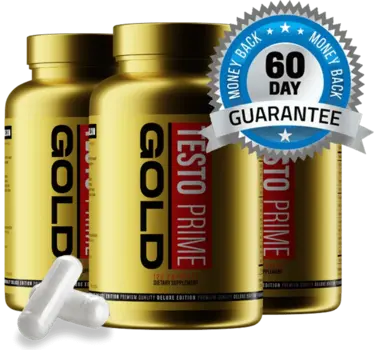
TestoPrime Gold is the upgraded version, with enhanced ingredient forms for better absorption and extra vitality support. While it’s aimed at older men, it’s also worth considering if you’re in your late 40s and feeling the decline more sharply.
👉 Read our full TestoPrime Gold review here for the side-by-side comparison and whether the upgrade suits you.
Which Fits You?
| Supplement | Best For | Standout Feature | Our Review |
|---|---|---|---|
| TestoPrime | Men in their 40s, general support | Transparent, high-dose formula | Read Review → |
| TestoPrime Gold ⭐ | Late 40s wanting stronger support | Enhanced absorption | Read Review → |
One honest caveat: supplements won’t replicate medical treatment for genuine clinical deficiency, and no over-the-counter formula has the kind of evidence behind it that would make it a reliable fix for borderline testosterone. Think of them as an optional extra alongside the lifestyle changes and proper assessment — not a substitute for either.
When to See Your GP
Natural approaches make a real difference for many men in their 40s — but they shouldn’t delay a proper assessment. If your symptoms are persistent, speak to your GP now, while you work on weight, sleep, exercise, stress, and alcohol alongside. If testing confirms levels consistently below 8 nmol/L, treatment becomes a serious conversation.
TRT can help men with genuine deficiency, but in your 40s it deserves extra thought. Remember the fertility point: TRT suppresses sperm production, which is a serious consideration if you might want more children.
Never buy testosterone from unregulated online sources or the gym. Go through your GP, or a properly regulated UK clinic with medical oversight.
(For more, see our full guide to TRT alternatives in the UK.)
The Bottom Line: Your 40s Are the Decade of Leverage
Here’s the takeaway. Your testosterone is dipping slightly in your 40s — but the bigger story is that most of what you’re feeling is lifestyle, and lifestyle is fixable.
Train consistently. Protect your sleep. Tackle the belly fat early, sort your vitamin D, eat properly, and keep the drinking in check. Do these, and you won’t just feel better now — you’ll bank health for every decade that follows.
The habits you build now set you up for what’s ahead — and when you get there, our guide to testosterone over 50 in the UK covers how the priorities shift in the next decade.
And if you want an extra edge, a natural supplement like TestoPrime offers support based on individually studied ingredients without prescriptions, needles, or the fertility trade-offs of TRT.
Your 40s are the decade where the right choices compound the most. Build the natural habits now — and if symptoms are persistent, get assessed at the same time rather than waiting. Your future self will be very glad you did both.
Ready to get ahead of it? Explore our in-depth TestoPrime review and TestoPrime Gold review to find the right fit for your 40s.
Frequently Asked Questions
Is it normal for testosterone to drop in your 40s?
Yes, a gradual decline between early adulthood and your 40s is completely normal, though the rate varies a lot between individuals. But in your 40s, lifestyle factors — poor sleep, weight gain, stress, and alcohol — usually have a bigger impact than age alone, which means much of what you feel is reversible.
What is a normal testosterone level for a man in his 40s?
There’s no single “normal,” but many men aged 40–49 sit around a median of 16 nmol/L, with most falling roughly between 10 and 25 nmol/L. In the UK, doctors generally view below 8–12 nmol/L, alongside symptoms, as worth acting on.
Can I raise my testosterone naturally in my 40s?
Absolutely — and your 40s are one of the best times to do it, because your body still responds quickly. Strength training, losing belly fat, better sleep, vitamin D, and managing stress all have strong evidence, and they work especially well at this age.
Does low testosterone in your 40s affect fertility?
Low testosterone itself can affect fertility, but importantly, so does the treatment — prescription TRT suppresses sperm production. If you’re planning children in your 40s, natural approaches are usually the safer first route, as they support testosterone without shutting down fertility.
Should I take a testosterone supplement in my 40s?
That’s your call to make with realistic expectations. Evidence for over-the-counter testosterone supplements is mixed — individual ingredients like zinc and vitamin D have recognised roles (zinc contributes to the maintenance of normal testosterone levels), but that doesn’t establish that a finished formula will raise low testosterone or fix symptoms. If you’re in the 8–12 nmol/L zone with symptoms, the priority is assessment by your GP; a supplement can sit alongside that, not in place of it.
When should I see a doctor about low testosterone in my 40s?
If your symptoms are persistent, speak to your GP without waiting — you can address lifestyle factors like weight, sleep, and alcohol at the same time as getting assessed. Diagnosis needs at least two low morning blood tests (below 8 nmol/L is where deficiency becomes likely), and mention any plans for children, as that affects your options.
References
- NHS — The ‘male menopause’. Overview of age-related low testosterone and when to see a GP.
- NHS — Vitamin D (Vitamins and minerals). Guidance on supplementing October to early March in the UK.
- NHS — Alcohol units. The 14-units-per-week low-risk drinking guideline.
- Hackett, G. et al. (2023). The British Society for Sexual Medicine (BSSM) Guidelines on Male Adult Testosterone Deficiency. World Journal of Men’s Health.
- Wu, F.C. et al. (2010). Identification of late-onset hypogonadism in middle-aged and elderly men. New England Journal of Medicine, 363, 123–135 (European Male Ageing Study).
- Leproult, R. & Van Cauter, E. (2011). Effect of 1 week of sleep restriction on testosterone levels in young healthy men. JAMA, 305(21), 2173–2174.
- Cleveland Clinic — Testosterone: What It Is, Function & Levels. Typical total testosterone levels by age group.
- Travison, T.G. et al. (2017). Harmonized Reference Ranges for Circulating Testosterone Levels in Men of Four Cohort Studies in the USA and Europe. Journal of Clinical Endocrinology & Metabolism, 102(4), 1161–1173.
This article is for informational purposes only and isn’t medical advice. Always consult your GP before starting any supplement or treatment, especially if you have existing health conditions.

Tanveer Quraishi, author of Steroids 101 has extensive experience in the field of bodybuilding and has been writing online on various muscle-building and other health topics for many years now. He is not just interested in bodybuilding but is a great football player too. When he is not writing for his site or training at the gym, he loves to spend his time with this wife and kids.