Low Testosterone in Men UK: Symptoms, Causes & Treatment Guide
Feeling permanently knackered, even after a full night’s sleep? Or maybe the gym just isn’t giving you the results it used to.
You’re not imagining it, and you’re not alone either. As many as one in two UK men over 40 may be living with low testosterone and have no idea. This guide walks you through the symptoms, the causes, and what you can actually do about it.
What Is Low Testosterone? (And Why It Matters)
Testosterone gets a bit of a reputation as “the sex hormone,” but that’s only half the story. It plays a role in your energy levels, your mood, your muscle mass, and even your bone strength.
When levels drop too low, doctors call it testosterone deficiency, or sometimes hypogonadism. They’re really just two names for the same thing.
In the UK, clinicians generally start looking closely once total testosterone dips below around 12 nmol/L. Below that, especially when paired with symptoms, treatment usually becomes part of the conversation.
Here’s the part that surprises most men: this is incredibly common. It’s been called a “silent epidemic” precisely because so many men have it and never get checked.
There’s genuinely nothing embarrassing about it. It’s a medical condition, not a personal failing, and it’s very manageable once it’s identified.
Find out how to get your testosterone tested at the NHS.
Signs and Symptoms of Low Testosterone in Men
Low T rarely announces itself with one obvious symptom. Instead, it tends to creep in quietly across several areas of life at once.
Symptoms of Low Testosterone in Men
| Physical | Mental | Sexual |
|---|---|---|
| Persistent fatigue | Low mood | Reduced libido |
| Loss of muscle mass | Brain fog | Erectile dysfunction |
| Increased body fat (especially belly) | Poor concentration | Fewer morning erections |
| Reduced bone density | Irritability | Reduced sperm count / fertility |
| Sleep disturbances / night sweats | Loss of motivation | Reduced sexual satisfaction |
| Hot flushes | Anxiety | Loss of body hair |
Note: symptoms vary by individual. A blood test is the only reliable way to confirm low testosterone.
Physical symptoms often show up first. Persistent fatigue that sleep doesn’t fix is one of the most common complaints.
You might also notice your muscles aren’t responding to training the way they used to. A lot of men describe putting on weight around the middle, even without major changes to diet.
Sexual symptoms tend to be the most specific marker. A drop in libido, fewer morning erections, or difficulty with erectile function are all worth paying attention to.
These aren’t things to just put down to “getting older.” They’re genuine signals your body is sending you.
Mental and emotional symptoms are easy to miss because they overlap with everyday stress. Brain fog, low mood, irritability, and trouble concentrating can all be linked to low testosterone.
Sleep disturbances and night sweats sometimes appear too, which only adds to the fatigue. It becomes a frustrating cycle that’s hard to break out of alone.
The tricky bit is that almost every one of these symptoms could have another explanation. That’s exactly why so many men brush them off for years rather than getting checked.
If a handful of these sound familiar and they’ve stuck around for a while, it’s worth getting a proper blood test. Self-diagnosing from a symptom list online only gets you so far.
What Causes Low Testosterone in UK Men?
There isn’t one single cause of low testosterone. For most men, it’s a mix of natural ageing and a few other contributing factors.
Causes of Low Testosterone in Men
| Primary causes | Secondary causes | Lifestyle & medical factors |
|---|---|---|
| Testicular injury | Pituitary gland disorders | Obesity |
| Klinefelter syndrome | Hypothalamus dysfunction | Type 2 diabetes |
| Undescended testicles | Pituitary tumours | Chronic stress |
| Testicular infection (e.g. mumps) | Kallmann syndrome | Poor sleep |
| Chemotherapy or radiation | High prolactin levels | Heavy alcohol use |
| Natural age-related decline | Certain medications (e.g. opioids, steroids) | Sedentary lifestyle |
Note: many men have a mix of these factors rather than a single cause.
Natural decline is the most common driver. From your mid-30s onwards, testosterone tends to fall by roughly 1% a year, which is completely normal.
For some men, though, that decline goes further or hits harder than expected. That’s often when symptoms start showing up in their 40s or 50s. Here’s why men below 40 are experiencing low testosterone in the UK.
You may have heard this referred to as the “male menopause,” sometimes called andropause. It’s a catchy phrase, but it’s not quite accurate, and we’ll get into why shortly.
Primary causes relate to the testicles themselves not producing enough testosterone. This can stem from injury, certain infections, or genetic conditions like Klinefelter syndrome.
Secondary causes are a bit different. Here, the testicles are working fine, but the pituitary gland or hypothalamus isn’t sending the right signals to trigger production.
Then there are the lifestyle and medical risk factors, which are often the most fixable. Obesity, type 2 diabetes, poor sleep, and heavy alcohol use have all been linked to lower testosterone.
Chronic stress plays a role too. Elevated cortisol over long periods can interfere with healthy hormone production, creating a knock-on effect that’s easy to underestimate.
The good news is that understanding the cause is the first real step toward fixing it. Once you know what’s driving the drop, treatment becomes a lot more targeted.
Is Low T the Same as the “Male Menopause”?
Short answer: not really, even though the comparison gets thrown around a lot. It’s worth untangling because the two conditions aren’t as similar as the nickname suggests.
Female menopause involves a fairly sudden and dramatic drop in hormone levels, usually over a relatively short window. Testosterone decline in men is the opposite; it’s slow and gradual, often spread across decades.
The NHS actually discourages the term “male menopause” altogether. Their concern is that it implies a sudden hormonal crash, when in reality, most men experience a steady, low-level decline rather than a cliff edge.
That said, there is some genuine overlap in symptoms. Mood swings, disrupted sleep, and changes in body shape show up in both conditions, which is probably where the comparison started.
The key difference comes down to timeline and intensity. Menopause tends to hit harder and faster, while low testosterone in men tends to build slowly enough that it’s often mistaken for normal ageing or stress.
Understanding this distinction matters because it affects how the condition gets diagnosed and treated. It’s not a single dramatic event, it’s a pattern worth tracking over time.
Male Menopause/Andropause Vs Low Testosterone
| Aspect | “Male menopause” (the term) | Low testosterone (the reality) |
|---|---|---|
| What it refers to | A popular nickname for age-related testosterone decline | The clinical condition itself, confirmed by blood test |
| Medical recognition | Not used by the NHS; considered misleading | Recognised condition: hypogonadism / testosterone deficiency |
| Pattern of hormone change | Implies a sudden, menopause-like drop | Gradual decline, roughly 1% per year from the mid-30s |
| Comparison to female menopause | Suggests a direct equivalent to menopause | No direct equivalent — no “switch off” point in men |
| Diagnosis | Based on assumption or age alone | Confirmed only via blood test (total/free testosterone) |
| Why the name is misleading | Implies all ageing men will experience it suddenly | Only some men develop symptomatic low levels |
| Risk of using the term | Can lead to self-diagnosis without testing | Proper diagnosis leads to targeted treatment |
Note: the NHS discourages the term “male menopause” as it can misrepresent how testosterone actually changes with age.
How Is Low Testosterone Diagnosed in the UK?
Getting a diagnosis starts with a conversation, not a test. Booking a GP appointment and talking through your symptoms honestly is always step one.
From there, your GP will likely arrange a blood test. This usually needs to be done in the morning, since testosterone levels naturally peak earlier in the day and dip later on.
The test typically measures total testosterone, and sometimes free testosterone as well. Free testosterone is the portion actually available for your body to use, which can matter when results sit in a borderline range.
Speaking of borderline, there’s often a “grey zone” between roughly 8 and 14 nmol/L. If you land here, your GP may look at additional risk factors, like diabetes, alongside a closer review of your symptoms.
You have two main routes for testing in the UK: NHS or private. NHS testing is free but can involve longer waits and a more conservative approach to treatment thresholds.
Private testing tends to be faster and sometimes more thorough, though it comes at a cost. Many men start with their NHS GP and explore private options if they feel their concerns aren’t being fully addressed.
Depending on your results, your doctor might order further tests too. These help rule out other underlying issues, like thyroid problems or pituitary conditions, that can mimic low T symptoms.
Treatment Options for Low Testosterone
Once low testosterone is confirmed, there are a few different paths forward depending on severity and your overall health. None of them are one-size-fits-all.
Testosterone Replacement Therapy (TRT) is the main medical treatment. It’s generally considered for men with confirmed low levels and clear symptoms, not just slightly low numbers on a blood test.
TRT comes in a few different forms in the UK. Gels are applied daily to the skin, injections are typically given every few weeks, and implants offer a longer-lasting option inserted under the skin.
Your clinician will help you weigh these based on lifestyle, convenience, and how your body responds. It’s rarely a quick decision made in a single appointment.
Lifestyle changes often run alongside any medical treatment, and sometimes they’re enough on their own for milder cases. Weight loss, regular exercise, better sleep, and cutting back on alcohol can all genuinely move the needle.
Monitoring matters a great deal once treatment begins. TRT isn’t something you start and forget; it requires regular blood tests and check-ins to keep levels in a safe, effective range.
There are risks and side effects to be aware of too, which is exactly why this needs medical supervision rather than guesswork. Self-medicating with unregulated products is never a safe shortcut.
A quick word on over-the-counter “testosterone boosting” supplements: for men with a genuine medical deficiency, they’re not a substitute for proper treatment. Some men do explore natural support options alongside lifestyle changes, which we’ll cover separately below.
Living With and Managing Low Testosterone Long-Term
Getting diagnosed and starting treatment is a big step, but it’s really just the beginning. Managing low T well is more of an ongoing process than a one-time fix.
Be realistic about timelines. Most men don’t feel a dramatic difference overnight; improvements in energy, mood, and libido often take several weeks to a few months to show up clearly.
Diet and exercise continue to matter even once treatment starts. Resistance training in particular has been linked to healthier testosterone levels, alongside a generally balanced, whole-food diet.
Don’t underestimate the mental health side of this either. Living with low T for years before diagnosis can take a real emotional toll, and that doesn’t just disappear the moment treatment begins.
If you’ve been feeling low or frustrated, it’s worth talking to someone, whether that’s your GP, a therapist, or simply people you trust. There’s no need to carry that alone.
Regular check-ups become part of the routine once you’re on treatment. Follow-up blood tests help your doctor fine-tune dosing and catch any issues early.
Finally, don’t underestimate the value of talking openly about what you’re going through. Partners, close friends, or your GP can all be part of your support system, and opening up tends to make the whole journey easier.
A Note on Natural Support: Testosil
This section contains affiliate/sponsored content and is separate from the medical information above. It does not constitute medical advice.
Alongside medical treatment, some men look into natural testosterone support supplements as a complementary option, particularly those with milder symptoms or borderline levels who aren’t yet candidates for TRT. One product that regularly comes up in this space is Testosil.
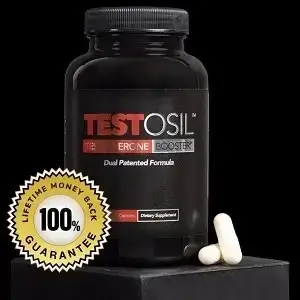
Testosil is a natural supplement built around ingredients like KSM-66 ashwagandha, fenugreek extract, D-aspartic acid, zinc, and magnesium. KSM-66 in particular has been studied for its potential to support healthy testosterone levels and reduce cortisol, which ties back to the stress-hormone link mentioned earlier in this guide.
It’s worth being clear-eyed here: supplements like Testosil are not a replacement for medically supervised treatment, and they’re not appropriate for everyone, particularly anyone on prescription medication, blood thinners, or hormone therapy. If you’re on any of those, check with your GP first.
For men who’ve already ruled out a clinical deficiency, or who are using it alongside lifestyle changes rather than instead of medical advice, it’s one option among several worth researching. As always, individual results vary, and it’s sensible to read the full ingredient breakdown and talk to a healthcare professional before starting any new supplement. Click here to check out my unbiased and factual Testosil review
Final Thoughts
Low testosterone is far more common, and far more treatable, than most men realise. It’s not something to white-knuckle through in silence.
Whether it’s the fatigue, the mood dips, or changes in the bedroom, these are signals worth listening to. A simple GP appointment and a blood test can give you real answers.
Don’t let another year slip by feeling like a shadow of yourself. If any of this sounds familiar, book that appointment today.

Tanveer Quraishi, author of Steroids 101 has extensive experience in the field of bodybuilding and has been writing online on various muscle-building and other health topics for many years now. He is not just interested in bodybuilding but is a great football player too. When he is not writing for his site or training at the gym, he loves to spend his time with this wife and kids.